Iran Talks Stall Amid US Ship Seizure, Scientists Vanish
Peace talks between the U.S. and Iran are in jeopardy following the U.S. military's seizure of an Iranian ship. Analysts point to internal divisions within Iran as a major obstacle to any potential deal. The report also covers the concerning trend of missing or deceased scientists and a tragic mass shooting in Louisiana.

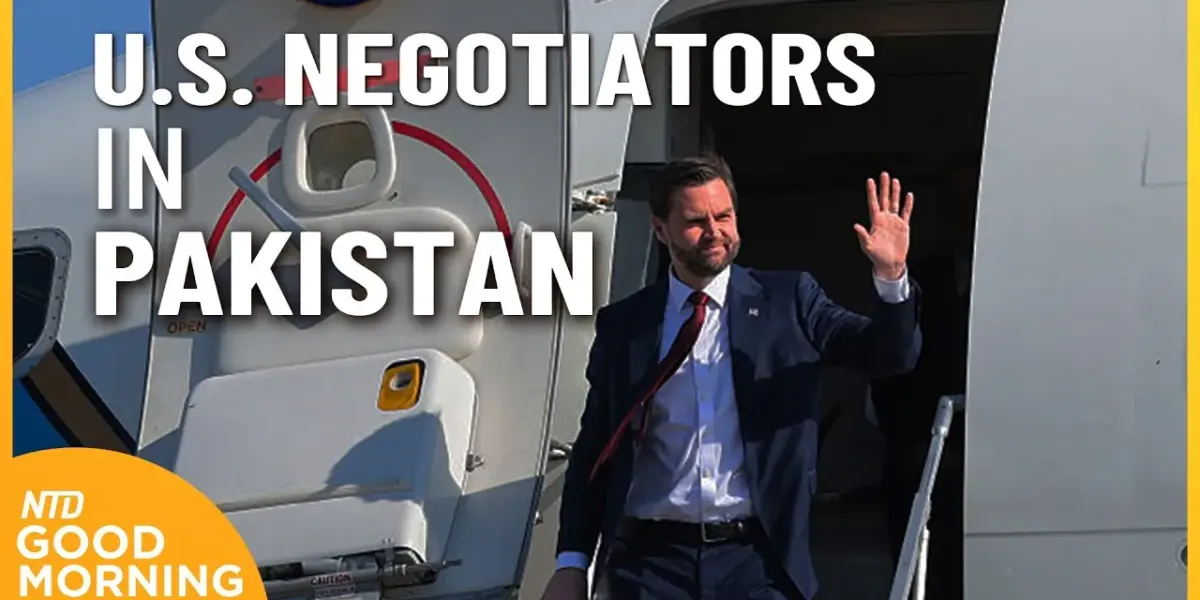
Iran Peace Talks Teeter as US Seizes Ship, Scientists Disappear
Peace negotiations between the U.S. and Iran, set to happen in Pakistan, faced major hurdles as Iran had not yet confirmed its participation. Tensions flared with the U.S. military boarding and seizing an Iranian-flagged vessel in the Gulf of Oman. This aggressive move followed the ship’s attempt to evade a naval blockade, a situation President Trump addressed on social media, stating the vessel was stopped by “blowing a hole in the engine room.” The U.S. Marines took control of the ship, which is reportedly under U.S. Treasury sanctions for prior illegal activities.
Iran has accused the United States of violating a ceasefire, labeling the seizure as “maritime piracy” and warning of an imminent response. This incident occurs as a two-week ceasefire is nearing its expiration, with the Trump administration pushing for a peace deal.
Shipping traffic through the Strait of Hormuz has seen a sharp decrease after Iran reimposed restrictions, despite a brief opening that allowed over 20 ships to pass. Iran’s parliamentary leadership has indicated a readiness for military confrontation if talks fail.
Internal Divisions Hamper Iranian Diplomacy
The situation within Iran’s government appears complex, with analysts suggesting a division between those seeking a deal and hardliners unwilling to concede. David Worms, an analyst for Middle East affairs, described this internal dynamic as a “dance of cobras around an empty chair.” He explained that while some officials might appear open to negotiation, powerful factions within the Islamic Revolutionary Guard Corps (IRGC) have no intention of easing pressure. This internal struggle could mean that even if Iranian representatives attend the talks in Pakistan, their ability to make concessions is severely limited.
Worms further elaborated that this internal division, possibly exacerbated by a perceived power vacuum at the center of the government, leads to a maximalist stance from all sides. Any move perceived as seizing power or making a significant concession could invite attack from rival factions. This makes genuine progress in negotiations incredibly difficult, as each group prioritizes its own survival and power within the regime.
Lebanon Truce: A Concession or a Strategy?
In a separate but related development, a truce between Lebanon and Israel has been established. While presented as an opportunity for peace in Lebanon, analysts suggest it might be a concession made by the U.S. to Iran to encourage diplomatic engagement.
However, the situation in Lebanon is complicated by the presence of Hezbollah, an Iran-backed group that the Lebanese government is too weak to control. The effectiveness of this truce remains uncertain, with the possibility of Israel taking further action if Lebanon cannot rein in Hezbollah.
U.S. Military Readiness and Diplomatic Options
Rick Fiser, a senior fellow at the International Assessment and Strategy Center, highlighted the U.S. military’s capability to enforce the blockade. The successful boarding and disabling of the Iranian ship demonstrated the precision and control of U.S. forces.
He noted that while Iran possesses threats like fast attack craft and naval mines, U.S. surveillance and air power are well-equipped to counter them. The operation to disable the ship’s engine room, without sinking it or causing casualties, showcased a deliberate strategy of restraint.
Fiser also discussed potential U.S. responses if Iran fails to engage in meaningful negotiations. Options include targeting key infrastructure like power plants and bridges to isolate IRGC power centers and potentially foster local rebellions. The goal would be to weaken the regime’s control and encourage internal dissent, creating a pathway for significant change within Iran.
Other Developments: Scientist Deaths and Domestic Tragedy
The broadcast also touched upon troubling reports of 11 high-ranking scientists with access to sensitive government information who have died or disappeared since 2022. An FBI director confirmed the bureau is investigating these cases, looking for connections among them.
Congress is also involved, with the House Oversight Committee expressing concern over national security implications. One case highlighted involved a scientist who had previously reported harassment and threats related to her anti-gravity research.
In a separate, tragic event, eight children were killed in a shooting in Shreveport, Louisiana. Authorities described the incident as domestic, stemming from an attack by a gunman on his own family. The victims ranged in age from 18 months to 12 years old.
The suspect was later shot and killed by police after a carjacking and chase. The community is mourning the loss of the young victims, with local leaders offering condolences and support.
New York City’s Grocery Store Initiative
Mayor Zoran Mandani of New York City is moving forward with plans to open city-run grocery stores aimed at making essential food items more affordable. The initiative, which includes building one store in each borough by 2029, has drawn criticism from some who believe it will create unfair competition for existing supermarkets. Supporters, however, see it as a way to help those less fortunate afford basic necessities, with a historical parallel drawn to Mayor LaGuardia’s earlier efforts to support food vendors.
Source: U.S. Officials in Pakistan For Talks; Gunman Kills 8 Kids in Louisiana | NTD Good Morning (April 20) (YouTube)

Related Articles

Strait of Hormuz Closure Threatens Global Energy Supply
The Strait of Hormuz faces a critical disruption following attacks on ships and a U.S. boarding of an Iranian tanker. The IEA warns energy output could take two years to restore, potentially impacting global markets.
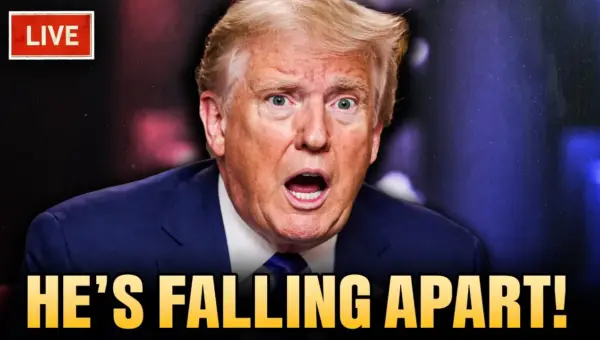
Trump’s Erratic Behavior Fuels Global Unease, Domestic Doubts
Donald Trump's recent public statements and actions are causing significant concern among world leaders and raising questions at home. His frequent outbursts on Truth Social, particularly regarding international affairs, suggest a leader under immense pressure. These displays often come across as desperate attempts to project strength while privately facing considerable challenges.
Generals Warn Trump’s Behavior Threatens National Security
Top military leaders are reportedly warning that Donald Trump's erratic behavior and temperament pose a threat to national security. Leaked information suggests concerns over his decision-making, leading to him being excluded from critical mission briefings. This comes amid reports of low morale and broader issues within the U.S. military.