US Seizes Ship, Puts Iran Talks and Ceasefire on Knife’s Edge
The U.S. seized an Iranian cargo ship, threatening to derail planned peace talks and a crucial ceasefire. Iran has vowed retaliation, while the U.S. warns of military action if diplomacy fails. This incident raises global concerns about Middle East stability and trade.

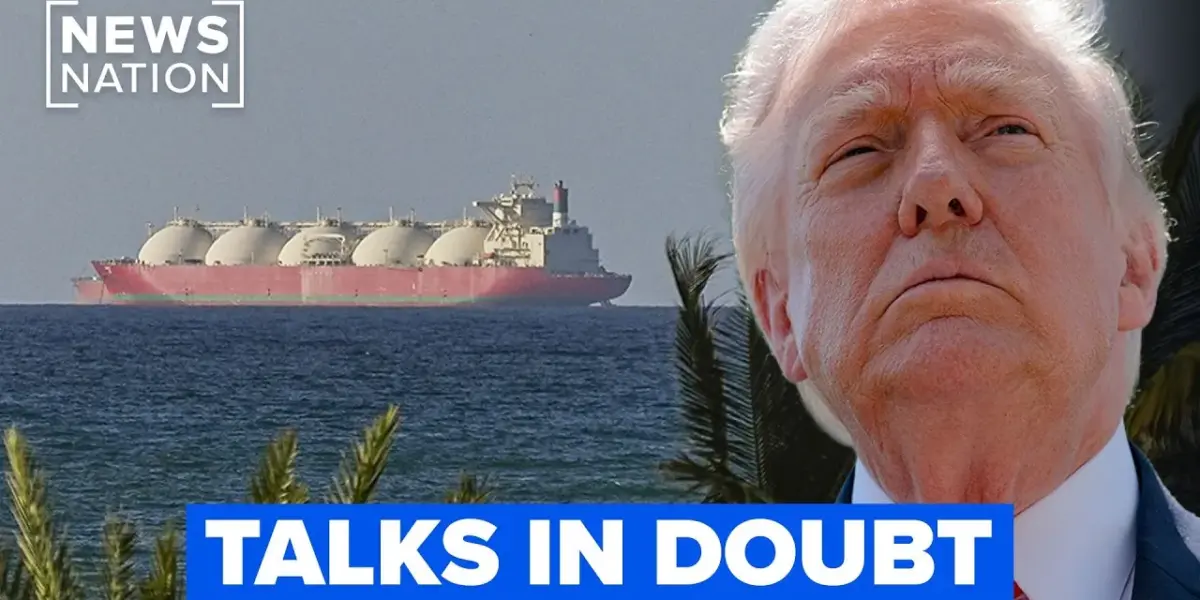
US Seizes Ship, Puts Iran Talks and Ceasefire on Knife’s Edge
Tensions are high in the Middle East after the U.S. seized an Iranian-flagged cargo ship. This action comes just days before a fragile ceasefire is set to expire and a crucial round of talks between the U.S. and Iran is planned. Iran has threatened to retaliate, raising fears that the situation could quickly escalate back to conflict.
President Trump stated that U.S. negotiators are ready for a new round of talks with Iran. However, Iran’s state media has suggested its leaders will not participate. This uncertainty leaves the planned negotiations in doubt, potentially making them the last chance for diplomacy before the ceasefire runs out.
Diplomacy on the Brink
The U.S. delegation, led by Vice President JD Vance, was expected in Islamabad for discussions. Iran was also anticipated to send its foreign minister and other senior officials.
Yet, Iranian state media, citing unnamed sources, indicated the talks might not happen at all. There has been no official confirmation from Iranian leaders regarding their participation.
President Trump has accused Iran of violating the existing ceasefire, which expires on Wednesday. Iran’s President Masoud Pezeshkian has called the U.S. actions bullying and unreasonable. He also expressed concerns that the U.S. might betray the diplomatic process again.
Threats of Retaliation
Overnight, U.S. Marines boarded and seized an Iranian cargo ship. Central Command released video footage of the operation. They stated the ship was warned to heed U.S. Navy commands but attempted to continue running the blockade.
Iran has vowed to retaliate, calling the seizure an act of “state piracy.” This incident has significantly increased tensions in the Strait of Hormuz, a critical waterway. Several cargo ships have already been fired upon by Iran in recent weeks.
What Happens Next?
If the planned talks fall through, the U.S. has signaled that military options remain on the table. President Trump has previously warned of potential strikes on Iranian power plants and bridges. The U.S. naval blockade is expected to remain in effect until a deal with Iran is reached.
The seizure of the ship and the uncertain status of the talks create a volatile situation. The coming days will be critical in determining whether diplomacy can prevail or if the region will slide back into open conflict.
Why This Matters
This situation is important because it directly impacts the stability of the Middle East and global trade. The Strait of Hormuz is a vital shipping lane, and any disruption there can affect oil prices and supply chains worldwide. A breakdown in talks could lead to renewed military action, further destabilizing an already tense region.
Historical Context
Relations between the U.S. and Iran have been strained for decades, marked by periods of intense hostility and cautious diplomatic engagement. The current tensions are part of a longer pattern of actions and reactions, including economic sanctions, proxy conflicts, and naval incidents. The recent ceasefire, however brief, represented a hopeful attempt to de-escalate, making its potential collapse particularly concerning.
Trends and Future Outlook
The approach taken by both nations highlights a recurring struggle between military posturing and diplomatic negotiation. The U.S. often uses a combination of pressure and dialogue, while Iran’s response typically involves defiance and threats of retaliation. The effectiveness of these strategies remains a key question for future international relations.
The outcome of these planned talks, or their cancellation, will set the tone for U.S.-Iran relations for the foreseeable future. If diplomacy fails, the risk of miscalculation and escalation will increase significantly. Conversely, a successful negotiation could lead to a renewed period of cautious engagement and de-escalation.
The U.S. naval blockade in the Strait of Hormuz will likely continue as long as a diplomatic resolution is uncertain. This ongoing presence is a direct response to previous maritime incidents and is a deterrent, but it also remains a potential flashpoint.
The next few days are crucial. The planned talks are scheduled for Wednesday, the same day the ceasefire is set to expire. The world will be watching to see if dialogue can overcome the immediate threat of conflict.
Source: US seizure of Iranian-flagged ship strains ceasefire, planned talks (YouTube)

Related Articles


Iran Tensions Flare as US Seizes Ship; Polls Show Trump Approval Drop
Tensions between the U.S. and Iran escalated this weekend as American forces seized an Iranian-flagged cargo ship. The incident adds new uncertainty to upcoming peace talks and comes as President Trump's approval rating drops to a new low. Meanwhile, a tragic mass shooting in Louisiana left eight children dead, and unseasonably cold weather brought snow and frost to parts of the U.S.
Iran Escalates Tensions, Threatens Global Oil Shock
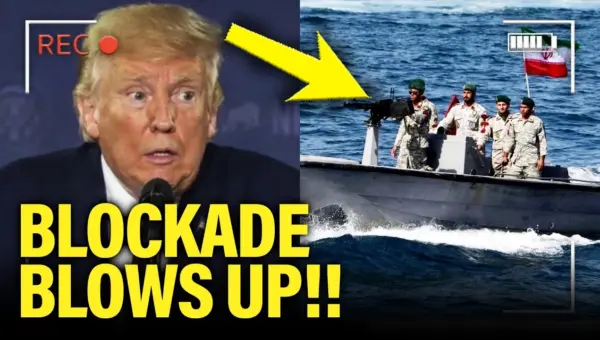
Tensions flare in the Persian Gulf as Iran vows retaliation after a U.S. Navy interdiction of an Iranian ship. The incident has sent oil prices soaring and jeopardized diplomatic talks, with Iran accusing the U.S. of piracy and escalating aggression.
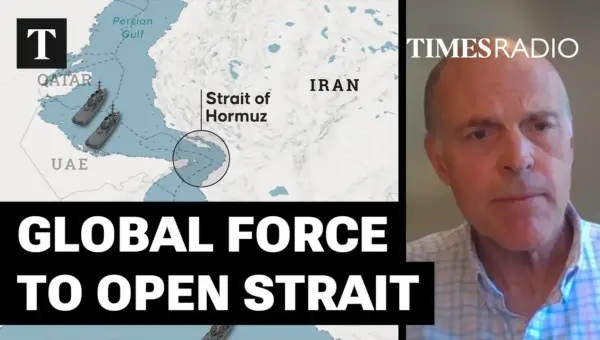
International Force Needed to Keep Strait of Hormuz Open
Vice Admiral Duncan Potts advocates for an international force to secure the Strait of Hormuz after a recent US seizure of an Iranian ship. Citing lessons from anti-piracy efforts, he argues a coalition is vital to maintain open passage through this critical global waterway. The move aims to prevent any single nation from controlling this essential trade route.