Iran’s Iran’s Strait of Hormuz Control Risks Global Power Shift
Professor Robert Pape warns that Iran's control over the Strait of Hormuz could lead to a major global power shift, potentially making Iran the fourth major world power. He argues that current U.S. policy is a "colossal strategic mistake" that is inadvertently strengthening Iran and destabilizing the global economy.

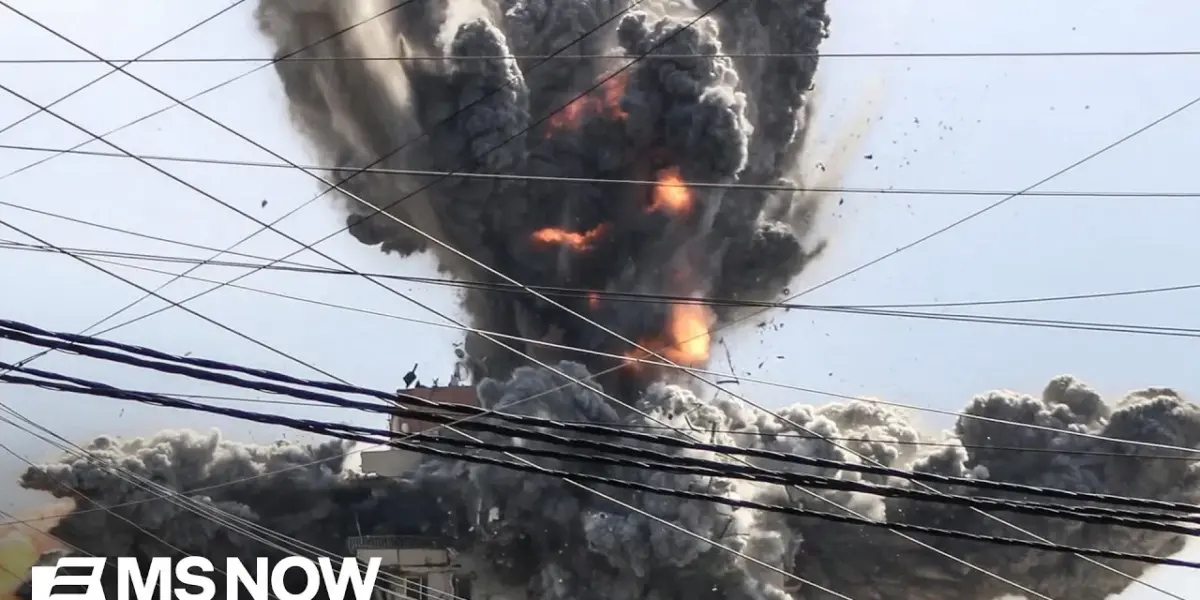
Iran’s Control of Strait of Hormuz Sparks Global Power Shift Fears
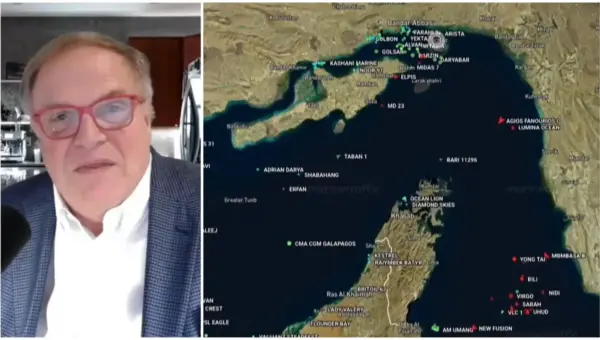
A prominent political scientist warns that Iran’s growing control over the vital Strait of Hormuz could reshape the global order, potentially elevating Iran to the status of a major world power. Robert Pape, a professor at the University of Chicago and director of the Chicago Project on Security and Threats, argues that current U.S. actions are inadvertently strengthening Iran’s strategic position.
Escalation Fuels Iran’s Rise, Expert Claims
Professor Pape explained that the ongoing conflict, which includes Iran’s actions in the Strait of Hormuz and its pursuit of enriched uranium, is pushing Iran toward becoming the fourth center of world power, alongside the U.S., China, and Russia. He stated that the world is recognizing this potential shift and using military force to prevent it, suggesting that the current path leads to either Iran’s ascent or increased military engagement.
“What you are seeing is exactly that,” Pape said, referring to the conflict. “If we pull back and we basically allow Iran to keep the Strait of Hormuz, and that is what it is strongly demanding, and also its enriched uranium which it is strongly demanding, then Iran will over the next year or so be able to amass the economic strength and then the nuclear strength to become the fourth center of world power.”
‘Colossal Strategic Mistake’ by U.S. and Allies
Pape described the current situation as a “colossal strategic mistake,” predicting that the conflict could be viewed as a greater error than the Vietnam War or the 2003 Iraq War. He believes this is not primarily due to military casualties but because the prolonged conflict is destabilizing the global economy.
He elaborated on this point, stating, “And this war will probably go down as a bigger, colossal mistake than either Vietnam or the 2003 war, not so much because of military casualties, but because of the issue that we’re pushing the world’s economy over a precipice week by week by week.”
No Easy Answers in Current Standoff
The professor outlined a difficult choice facing the United States: either accept Iran’s rise as a major power or engage in further military action. He suggested that attempts to find a middle ground or a peaceful resolution have repeatedly failed, leading to a cycle of escalation.
Pape referenced past attempts at de-escalation, noting, “There were things to do, but I think every time we come up with an idea, you see, it kind of breaks down.” He attributed this to the zero-sum nature of power dynamics in the region, where Iran feels its growing influence is reducing the economic strength of neighboring countries like Saudi Arabia and the UAE.
China’s Role and Misunderstood Economic Impact
Addressing China’s position, Pape challenged the common belief that Beijing would be most harmed by the closure of the Strait of Hormuz. He argued that while China might experience minor economic setbacks, its overall growth trajectory remains strong, and its leaders are not as concerned as often portrayed.
“The bottom line is their days of rising will go faster,” Pape explained, referencing conversations with Chinese business leaders. “And so, yes, there is a little bit of problem for China, but this has been way oversold here to the American public.” He suggested that China is playing a role in moderately assisting Iran’s control of the Strait, though he believes they do not desire nuclear escalation.
Future Outlook: Military Options Narrowing
As the situation continues to develop, Professor Pape believes the available options for the United States are becoming increasingly limited and predominantly military in nature. He expressed concern that these military responses may not be effective in achieving long-term stability or preventing Iran’s rise.
The professor concluded by emphasizing the need for a clearer understanding of the complex dynamics at play. “So what you’re seeing is the more this goes on, the more Iran is feeling its oats and then the choices that America has more and more are increasingly military in nature and they’re not actually that effective,” he stated.
Source: WORSE THAN VIETNAM? Professor has dire warning for Trump in Iran (YouTube)

Related Articles
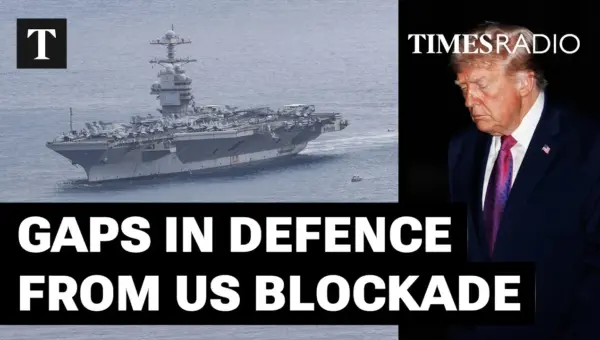
US Seizes Iranian Ship in Strait of Hormuz Tensions
The US Navy has seized the Iranian cargo ship Tusca in the Strait of Hormuz, escalating tensions with Tehran. The action, part of a US counter-blockade, aims to influence ongoing peace negotiations. Analysts suggest the move is strategically significant but carries high risks, potentially impacting global trade and forcing international intervention.

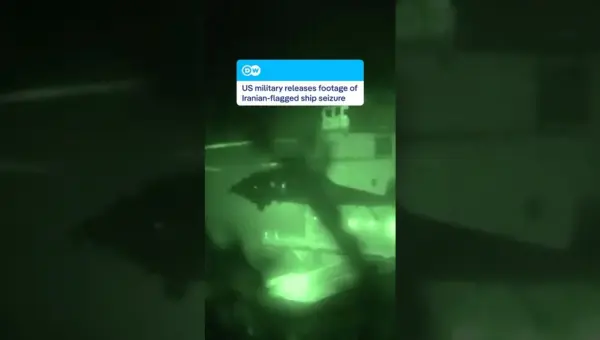
US Navy Seizes Iranian Ship Near Strait of Hormuz
The U.S. military released footage showing its forces seizing an Iranian-flagged cargo ship near the Strait of Hormuz. This operation, part of a naval blockade, highlights ongoing regional maritime security concerns. The incident occurs amid broader tensions between the United States and Iran.
Trump’s Firm Stance Could Force Iran’s Hand
America's patience with Iran may be running out as repeated agreement breaches continue. Analyst Gan Valentino suggests that former President Trump's firm stance could force Iran's hand, potentially leading to military action if a deal isn't reached this week. The situation highlights long-standing geopolitical tensions and the complex future of Iran's governance and its role in the region.