World Cup Costs Spark Fierce Debate Between Cities and FIFA
Host cities for the 2026 FIFA World Cup are confronting FIFA over escalating costs for infrastructure, security, and transportation. New Jersey is leading the pushback, arguing that the state should not foot the bill for moving tens of thousands of fans. The U.S. model, unlike in many other countries, places significant financial responsibility on individual cities, creating a growing conflict as the tournament approaches.


Cities Confront FIFA Over Rising World Cup Expenses
As the 2026 FIFA World Cup approaches, co-hosted by the United States, Canada, and Mexico, a major conflict has emerged. Host cities across the U.S. are pushing back against FIFA, expressing concerns over mounting costs and unexpected financial burdens.
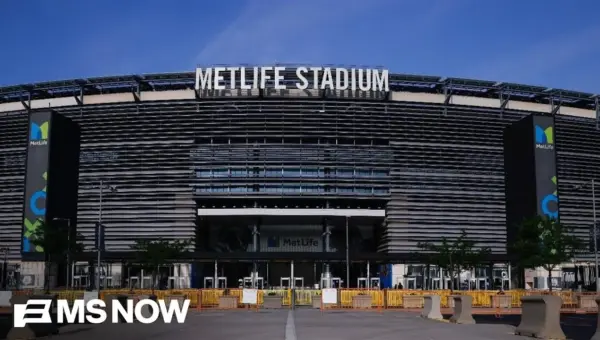
The championship match is set to be held at MetLife Stadium in New Jersey, highlighting the logistical and financial challenges ahead. With less than two months until the tournament begins, the question of who will pay for the extensive infrastructure, security, and transportation needs has become a central point of contention.
New Jersey Leads the Charge Against FIFA Demands
New Jersey has become a focal point in the dispute. Governor Phil Murphy has publicly called out FIFA, stating that the state and its public transit system should not be solely responsible for transporting tens of thousands of fans.
While FIFA argues that New Jersey was aware of these potential costs since contracts were signed years ago, the specific financial estimates are only now becoming clear. This situation is not unique to New Jersey; other U.S. host cities are also finding themselves facing higher-than-expected expenses.
FIFA’s Financial Expectations Clash with U.S. Model
In many other countries, hosting major tournaments often involves governments subsidizing public transportation, sometimes making it free for attendees. However, the U.S. model differs significantly. With 11 host cities, each is responsible for organizing fan festivals, providing transportation, and ensuring security.
These costs are mounting, and cities are struggling to meet FIFA’s demands while also trying to ensure a positive economic outcome. The contrast is stark when compared to FIFA’s projected $11 billion in revenue from the event.
Cities Seek Solutions Amid Financial Strain
Host cities are exploring various avenues to manage these costs. In Los Angeles, for example, there are plans to charge for entry into fan festivals. Some cities are also relying on commercial contracts with local partners, separate from FIFA’s own commercial agreements.
In Texas, the state has provided up to $50 million to its two host cities, but this is only a fraction of the total expenses. The federal government has allocated $625 million for security nationwide, with individual cities potentially receiving up to $150 million, but this funding does not cover all the ancillary costs.
Decentralized Model Creates Unique Challenges
The 2026 World Cup is unique because FIFA is signing individual agreements with each of the 11 host cities. This decentralized approach, while potentially offering flexibility, also presents complexities.
Cities are learning valuable lessons about negotiating with FIFA, especially with the Women’s World Cup also expected to be hosted in the U.S. in 2031. These individual contracts, signed years ago, are now coming to fruition as money begins to move and fans start purchasing tickets, leading to a clearer picture of the financial commitments involved.
Federal Government’s Stance on World Cup Costs
The U.S. federal government, through the Trump administration’s task force, has stated it has already fulfilled its obligations. Andrew Giuliani, head of the task force, noted that $100 million in federal funding for transportation has been approved, with $10 million specifically for the New York-New Jersey region. He argued that the federal government is covering a significant portion of the per-fan transportation costs and that it is not the federal government’s role to solve long-standing infrastructure issues within states.
Lessons from the 1994 World Cup
Looking back to the 1994 World Cup hosted in the U.S., the organizational model was quite different. Alan Rothenberg, who led the U.S. host committee for that tournament, explained that a single committee represented all cities and managed all contracts and ticket sales.
This centralized approach resulted in a $50 million surplus that benefited the U.S. Soccer Foundation. Today, the lack of a central advocacy body for the host cities means they must negotiate and manage their interests individually, a stark contrast to the collaborative model of 1994.
Potential Impact on Fans and International Participation
The rising costs raise concerns about whether fans will ultimately bear the brunt of the expenses. With ticket prices potentially reaching high levels and parking fees increasing, there’s a risk that fans may choose not to attend or opt for events in Canada or Mexico due to affordability.
FIFA and the host cities are actively working to counter the perception that the World Cup is becoming unaffordable. Travel restrictions and visa issues could complicate international fan attendance, particularly for citizens of countries facing U.S. travel bans.
Geopolitical Tensions and World Cup Participation
The participation of the Iranian national team, which qualified for the tournament, has been a subject of geopolitical discussion. Despite initial uncertainty and comments from former President Trump, preparations are underway for the Iranian team to arrive for training in Tucson, Arizona.
FIFA has denied requests to move matches to Mexico, emphasizing that the tournament schedule is fixed. The potential for Iran and the U.S. to play each other later in the tournament, even if matches were moved, remains a consideration.
Human Rights and Labor Concerns Loom
Echoing concerns from the 2022 World Cup in Qatar, human rights and labor issues are also part of the conversation surrounding the U.S.-hosted event. Each of the 11 U.S. host cities has been asked to develop a human rights strategy.
While these efforts have not received widespread attention, issues related to labor disputes, worker conditions, and extreme heat could emerge during the month-long tournament. These factors, along with transportation, visa complexities, and the Iranian team’s participation, could create challenges.
Looking Ahead: Arrival of Teams and Fans
In the coming months, the focus will shift to the arrival of national teams for their training camps. This influx of players, staff, and international fans will bring increased attention to cities that may not be accustomed to such large-scale events. These preparations and arrivals represent the next significant milestone before the official kickoff of the 2026 FIFA World Cup.
Source: US cities push back against FIFA over rising World Cup costs (YouTube)

Related Articles
New Jersey Tops ‘Least Free’ State Ranking
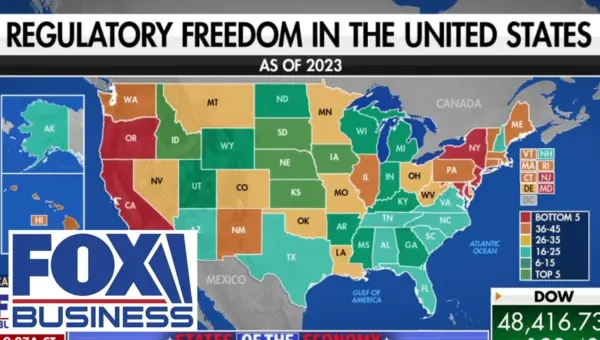
New Jersey has been ranked the 'least free' state due to its heavy regulatory burden, according to the Cato Institute. The report contrasts this with states like Arkansas, Iowa, and South Dakota, which have fewer regulations. This has significant implications for business growth and investment attractiveness.

World Cup Ticket Prices Skyrocket for Fans
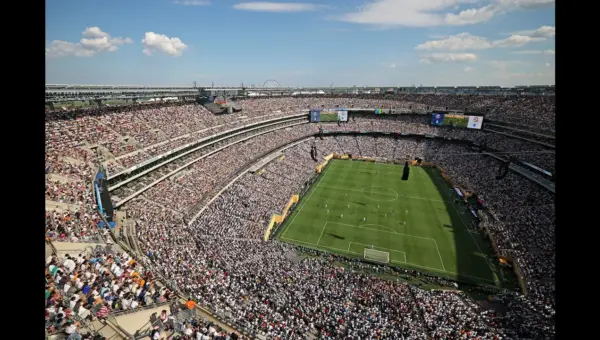
Fans attending the 2026 World Cup in New Jersey face a shocking $150 round-trip train fare to MetLife Stadium, a huge increase from the usual $12.90. This price hike is intended to help New Jersey cover its $62 million hosting costs. On-site parking is unavailable, with nearby American Dream Mall charging $225 for game day parking.

World Cup Tickets Soar, Fans Face Sky-High Travel Costs
The 2026 World Cup is set to be one of the most expensive tournaments ever, with final tickets reaching nearly $11,000 and transportation costs soaring. New Jersey officials are in a dispute with FIFA over who should pay for elevated transit fares, highlighting broader concerns about the rising cost of attending major sporting events.