US Navy Seizes Iranian Ship, Igniting Tensions
The US Navy seized an Iranian cargo ship, the Tusca, in the Gulf of Oman, escalating tensions. This action occurred as peace talks seemed possible, but Iran's expected retaliation and the volatile situation in the Strait of Hormuz cast doubt on diplomatic progress.

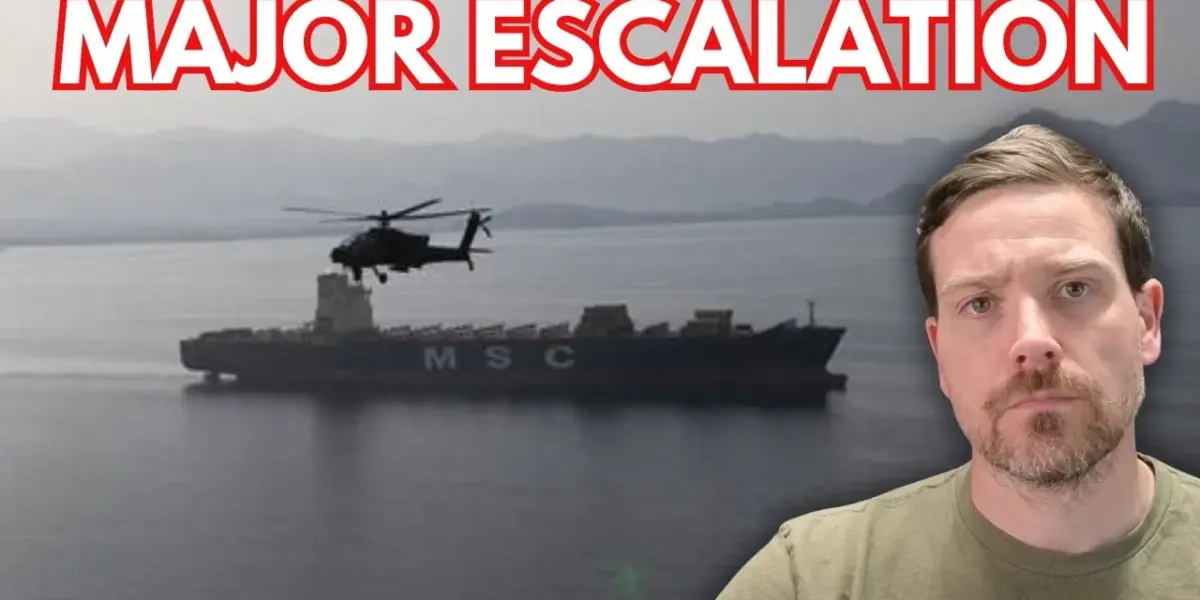
US Navy Seizes Iranian Ship, Igniting Tensions
The US Navy recently took control of an Iranian cargo ship, the Tusca, in the Gulf of Oman. This action escalated tensions between the United States and Iran, occurring just as peace talks seemed possible.
The US Navy destroyer USS Spruent intercepted the Tusca after it reportedly tried to bypass a naval blockade. After issuing warnings and receiving no compliance, the US Navy disabled the ship’s engine room and boarded it with US Marines.
President Trump stated that the Tusca was under US Treasury sanctions due to past illegal activities. The ship is now in US custody, and its cargo is being examined.
This boarding is seen as a significant step, especially given the deployment of US Marine amphibious ready groups to the region. While these forces might not be large enough for territorial seizures, they are suitable for intercepting and securing sanctioned vessels.
Iran’s Response Expected
While the US provided justification, including warnings and the ship’s sanctioned status, Iran’s perception of this event is crucial. It is highly probable that Iran views this seizure as an act of escalation and is likely to retaliate.
This comes after a period of intense friction, where both nations accused each other of violating a ceasefire. Iran has also accused the US blockade of Iranian ports as a violation of the ceasefire, hindering any progress on negotiations.
Ceasefire Violations and Blockade Tensions
Just before this incident, reports indicated that Iran was violating the ceasefire. Gunboats affiliated with the IRGC reportedly opened fire on a tanker and hit a container ship. A cruise ship also reported seeing a splash nearby.
These events highlight the volatile situation in the Strait of Hormuz, where passage remains uncertain and potentially dangerous. Ships attempting to enter or exit the Persian Gulf have been turned back or faced gunfire.
Peace Talks in Doubt
The seizure of the Tusca casts a shadow over recent efforts to de-escalate. While the US and Iran had held their first direct talks since the war began, the subsequent implementation of a naval blockade raised concerns.
Although President Trump hinted at ongoing peace talks, Iran’s state media, including the Tassim News Agency and IRNA, stated that Iran would not send a negotiating team to Islamabad while the blockade continues. They cited unreasonable demands, shifting positions, and the blockade itself as reasons for the lack of progress.
Iran’s Military Capability
Despite claims that Iran’s military might be depleted, intelligence suggests it retains significant capabilities. While degraded, Iran still possesses air defense systems, drones, and missiles.
US intelligence estimates indicate Iran has a substantial portion of its pre-war arsenal of drones and missiles, with efforts to recover more from buried caches. Even conservative estimates suggest Iran could launch a considerable number of missiles and employ numerous launchers, posing a continued threat.
Potential for Further Conflict
The situation suggests a return to direct conflict between the US, Israel, and Iran. US leadership has indicated a more aggressive stance, potentially targeting Iran’s power grid, energy infrastructure, and bridges.
Such actions could be seen as targeting dual-use infrastructure, a strategy that carries significant risks. While justifications for some targeted strikes might exist, eliminating an entire country’s power grid is generally avoided and could lead to severe humanitarian issues.
Regional Impact and Future Outlook
Iran is expected to retaliate by targeting soft targets in the region, possibly including Israel, US military bases in the Gulf, or civilian infrastructure in allied Gulf nations. This could involve attacks on desalination plants, port facilities, and energy infrastructure.
Such actions could create a significant humanitarian crisis. The next 24 to 48 hours will be critical in determining the immediate trajectory of this escalating conflict.
Why This Matters
This incident is more than just a naval encounter; it’s a clear reminder of the fragile peace in a strategically vital region. The Strait of Hormuz is a critical chokepoint for global oil supplies. Any disruption here has immediate and far-reaching economic consequences worldwide.
The US seizure of the Iranian ship and Iran’s expected retaliation could trigger a wider conflict, destabilizing the Middle East and impacting global energy markets. It also raises serious questions about the effectiveness of diplomatic efforts when military actions continue to escalate.
Historical Context
Tensions between the US and Iran have a long history, marked by various incidents and proxy conflicts. The current standoff is rooted in decades of geopolitical friction, including the 1979 Iranian Revolution, the Iran-Iraq War, and more recent disputes over Iran’s nuclear program and regional influence.
The Strait of Hormuz has frequently been a flashpoint, with both countries engaging in naval exercises and issuing warnings to each other over the years. Past incidents, like the downing of a US drone or attacks on oil tankers, have brought the region close to open conflict.
Implications and Trends
The current trend suggests a return to a more confrontational approach, moving away from diplomatic solutions. The US strategy of intercepting and seizing sanctioned vessels could become a more common tactic.
This could lead to a cycle of escalation, where each action provokes a counter-reaction. The potential targeting of dual-use infrastructure by the US, while framed as a response to Iranian actions, carries the risk of disproportionate harm and could be seen as a violation of international norms, potentially fueling further animosity.
Future Outlook
The immediate future hinges on Iran’s response to the seizure of the Tusca and the US reaction to any retaliation. The possibility of renewed peace talks remains uncertain, heavily dependent on de-escalation and a genuine willingness from both sides to engage constructively.
However, the current trajectory points towards continued military posturing and the risk of a wider regional conflict. The next few days will likely reveal whether diplomacy can regain traction or if the region is headed for a more dangerous phase of hostilities.
Source: The US Just Took Over an Iranian Ship (YouTube)

Related Articles
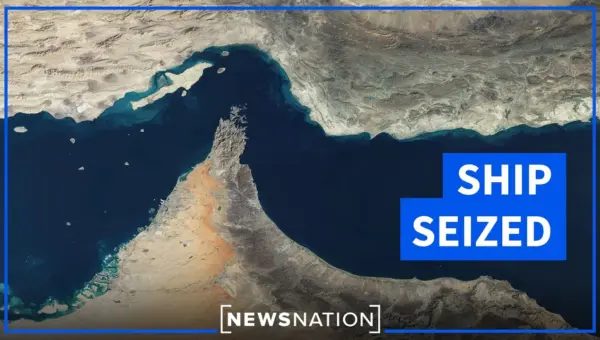
Navy Seizes Ship, Tightens Grip on Iran’s Economy
The U.S. Navy has seized an Iranian-flagged cargo ship in the Gulf of Oman, with President Trump highlighting the action as a consequence of Iran's refusal to heed warnings. This move is part of a broader strategy of economic pressure, using a naval blockade to gain leverage over Iran.
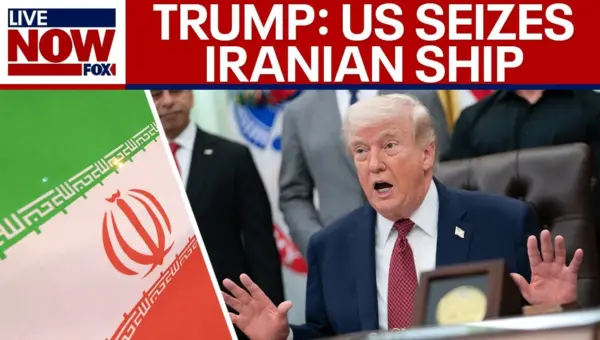
US Navy Seizes Iranian Ship After Refusal to Stop
The U.S. Navy has seized an Iranian cargo ship in the Gulf of Oman after it refused to stop, according to President Trump. This action escalates tensions as a regional ceasefire deadline approaches. High-stakes negotiations are planned in Pakistan, though Iran has expressed rejection.
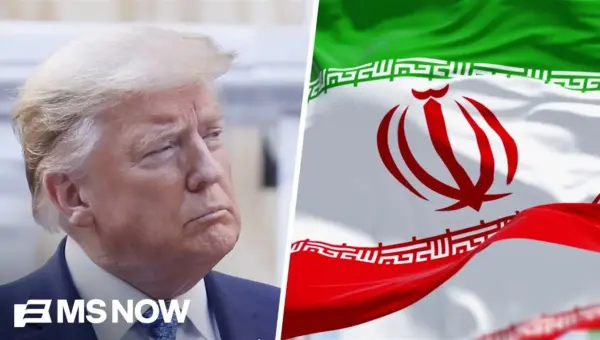
Iran Skips Peace Talks, Citing US Demands and Blockade
Iran has withdrawn from upcoming peace talks in Pakistan, citing unrealistic U.S. demands and an ongoing naval blockade in the Strait of Hormuz. The critical waterway remains closed, impacting global shipping. Tensions are high as the U.S. maintains a strong stance, raising concerns about potential attacks on civilian infrastructure.