Navy Seizes Ship, Tightens Grip on Iran’s Economy
The U.S. Navy has seized an Iranian-flagged cargo ship in the Gulf of Oman, with President Trump highlighting the action as a consequence of Iran's refusal to heed warnings. This move is part of a broader strategy of economic pressure, using a naval blockade to gain leverage over Iran.

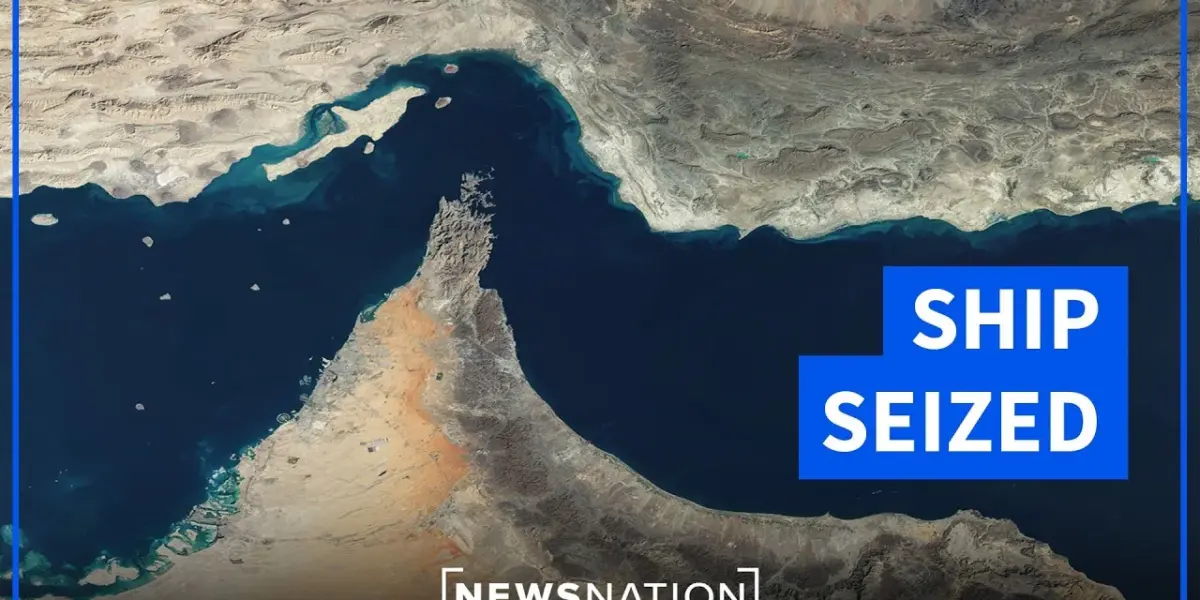
Navy Seizes Ship, Tightens Grip on Iran’s Economy
The U.S. Navy recently intercepted and seized an Iranian-flagged cargo ship in the Gulf of Oman. President Donald Trump announced the action, stating the vessel attempted to pass a naval blockade.
The Navy issued warnings, but the crew refused to stop. U.S. Marines are now in control of the ship.
The ship, named the ‘Scott’, is nearly 900 feet long and weighs almost as much as an aircraft carrier. It was reportedly disabled by a hole in its engine room.
The vessel is under U.S. Treasury sanctions due to its history of illegal activities. U.S. officials are currently inspecting the cargo.
Understanding the Action
This event highlights a tough stance by the U.S. against Iran. According to former State Department Deputy Special Envoy Lael Brainard, Iran needs to understand that President Trump’s threats are serious. She noted that Iran previously missed opportunities for diplomacy, leading to military actions like Operation Midnight Hammer, which targeted Iran’s nuclear program.
Brainard suggested that when Iran fails to accept offered deals, it faces the consequences of U.S. military might. The current seizure is seen as another example of this approach. The U.S. is inspecting the ship for potential oil shipments destined for China, which could cause further issues.
Economic Pressure and Leverage
The U.S. plans to maintain its naval blockade around Iran. This blockade is a key tool for the U.S. to ensure Iran’s compliance with any agreements.
Iran’s economy is reportedly close to collapse, with its currency weakening significantly. Protests have occurred due to economic hardship.
The blockade is costing Iran an estimated $500 million per day in lost oil revenue. This economic pressure is seen as the U.S.’s main leverage point.
Even if a deal is reached, the U.S. is unlikely to give up this blockade soon. It is a way to keep Iran accountable.
Internal Divisions and Future Outlook
There may be divisions within the Iranian regime. The Islamic Revolutionary Guard Corps (IRGC), Iran’s military, seems to have freedom of action.
This could mean they are trying to disrupt political processes. However, the IRGC might not be able to continue this indefinitely.
If a deal is made, the IRGC may seek concessions, possibly including amnesty. They might be worried about being blamed by the political leadership. Iranian Foreign Minister Zarif, Parliament Speaker Larijani, and President Rouhani have been in direct communication with the U.S.
Why This Matters
This seizure and the ongoing blockade represent a significant escalation of economic pressure on Iran. The U.S. is using its military power not just for defense, but as a tool to enforce sanctions and negotiate favorable terms. The success of this strategy depends on Iran’s economic fragility and the U.S.’s willingness to maintain pressure.
The situation also points to potential internal power struggles within Iran. The IRGC’s actions could be an attempt to assert influence or protect its interests. The outcome of these diplomatic and military maneuvers will have a major impact on regional stability and Iran’s future economic and political direction.
Historical Context
The Strait of Hormuz has long been a critical chokepoint for global oil transport. Tensions between the U.S. and Iran have been high for decades, marked by incidents involving naval vessels and oil tankers. Sanctions have been a consistent tool used by the U.S. to pressure Iran over its nuclear program and other activities.
Past actions, like Operation Midnight Hammer, show a pattern of U.S. responses to perceived Iranian provocations or non-compliance. This latest incident fits into that historical pattern of assertive U.S. action in the region.
Implications and Future
The U.S. strategy appears to be one of sustained economic strangulation combined with the threat of military force. This approach aims to force Iran to negotiate from a position of weakness. The effectiveness of this strategy hinges on Iran’s ability to withstand the economic pressure and the potential for internal dissent to grow.
The future outlook involves a continued cat-and-mouse game in the Strait of Hormuz. The U.S. is signaling its resolve, while Iran’s response will likely depend on its internal political dynamics and economic resilience. The international community will be watching closely to see if this leads to a de-escalation or further conflict.
The U.S. Navy continues its inspections of the seized vessel. The next steps will likely involve further analysis of the ship’s cargo and potential actions based on those findings.
Source: US Navy forcibly seizes Iranian-flagged cargo ship in Strait of Hormuz | NewsNation Live (YouTube)

Related Articles
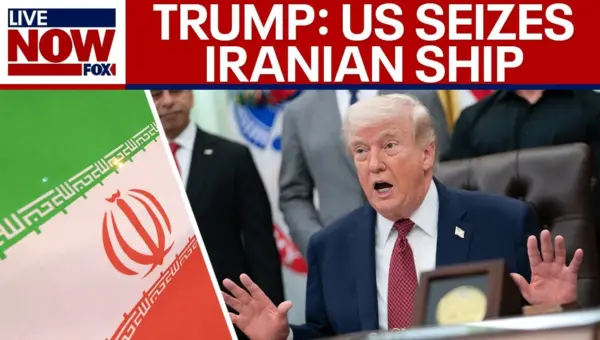
US Navy Seizes Iranian Ship After Refusal to Stop
The U.S. Navy has seized an Iranian cargo ship in the Gulf of Oman after it refused to stop, according to President Trump. This action escalates tensions as a regional ceasefire deadline approaches. High-stakes negotiations are planned in Pakistan, though Iran has expressed rejection.

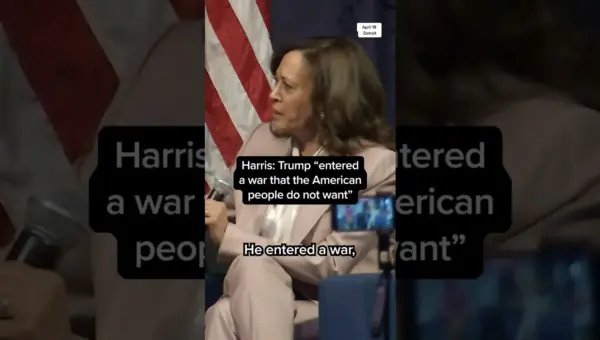
Harris: Trump Started Iran War Americans Don’t Want
Vice President Kamala Harris criticized former President Donald Trump's approach to Iran, stating he "entered a war that the American people do not want." Speaking in Michigan, Harris alleged that Trump was influenced by Israeli Prime Minister Benjamin Netanyahu. She warned that this policy strained alliances and increased costs for Americans.
Iran Skips Peace Talks, Citing US Demands and Blockade
Iran has withdrawn from upcoming peace talks in Pakistan, citing unrealistic U.S. demands and an ongoing naval blockade in the Strait of Hormuz. The critical waterway remains closed, impacting global shipping. Tensions are high as the U.S. maintains a strong stance, raising concerns about potential attacks on civilian infrastructure.