Kuwait Detains Journalist for Sharing Jet Crash Video
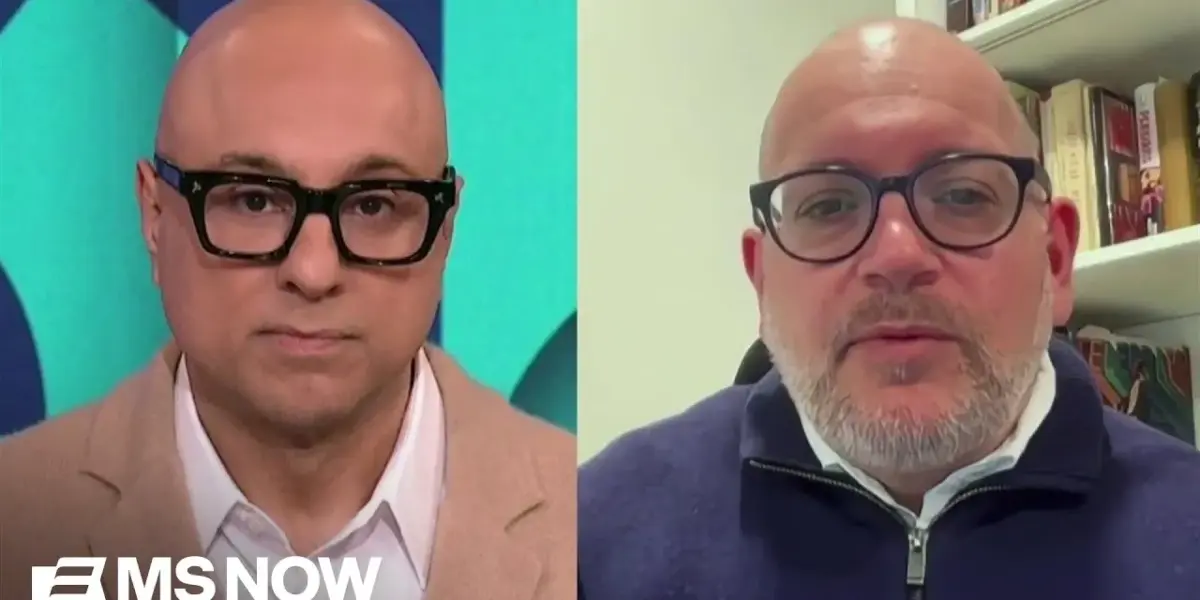
Kuwaiti authorities have detained American journalist Ahmed Shihab-Eldin for reposting a video of a U.S. fighter jet crash. This action is part of a wider crackdown on press freedom across Gulf states, with new laws and arrests aimed at controlling information related to the ongoing conflict. Veteran journalist Jason Rezaian warns this trend foreshadows a darker future for press freedom globally.

Kuwait Detains Journalist for Sharing Jet Crash Video
Kuwaiti authorities detained American journalist Ahmed Shihab-Eldin on March 2nd for reposting a video of an American fighter jet crashing near a U.S. base in Kuwait. The incident, believed to be friendly fire during ongoing U.S. operations, was shared by Shihab-Eldin on social media. The video itself has been verified as real, and Shihab-Eldin was visiting family in Kuwait when the event occurred.
Authorities have charged Shihab-Eldin with spreading false information, harming national security, and misusing his mobile phone. He has not been heard from since his detention. This action comes as Kuwait passes a new law that further restricts reporters, part of a broader trend across Arab Gulf states to control information during the current conflict.
Wider Crackdown on Press Freedom in the Gulf
The new Kuwaiti law imposes steep fines and jail time for disseminating information that could be seen as weakening confidence in military authorities. This mirrors a strategy seen across the region to stifle war-related information, particularly videos and images of strikes, in an effort to maintain a sanitized image of safety. This trend is not limited to Kuwait; other Gulf nations are also cracking down.
In the United Arab Emirates, Abu Dhabi police arrested 400 people for filming or photographing war-related events. Bahrain, Kuwait, and Saudi Arabia have also arrested individuals for similar actions. Saudi Arabia launched a campaign in early March warning citizens against posting photos, using the slogan “Photography serves the enemy.”
“Photography and journalism serve people. It’s patronizing, let alone autocratic to suggest that the public is worse off for knowing more about what’s happening in and around their countries.”
Journalist’s Career and Troubling Precedent
Ahmed Shihab-Eldin is known for his brave journalism, including an award-winning documentary on the abuse of queer people in Egypt and extensive on-the-ground reporting worldwide. Ironically, his detention stems not from an investigative piece, but from simply reposting a video, an act easily done by anyone with a smartphone.
Jason Rezaian, a veteran journalist formerly imprisoned by Iran and now director of The Washington Post’s Press Freedom Initiative, commented on the situation. He noted that while press freedom is limited across the Middle East, the detention of an American citizen in an allied country like Kuwait is particularly concerning. He believes this case should be easier for the U.S. government to resolve due to the strong relationship between the two nations.
U.S. Influence and Control of Messaging
Rezaian pointed out that the U.S. has recently lost some moral authority on press freedom issues, citing the case of Jamal Khashoggi. He also observed a similar trend of controlling information within the U.S., mentioning Pentagon press pass requirements that mandate adherence to government-approved reporting. This desire for message control is evident in the current conflict with Iran, where clear information from the U.S. government has been difficult to obtain.
The lack of clear visibility into events in countries like Kuwait, the UAE, and Saudi Arabia, especially when these nations have suffered damage in the conflict, is a threat to free societies. Rezaian argued that governments often use national security as a blanket excuse to control narratives, especially in the age of smartphones where citizens can easily document and share events.
A Warning for the Future
Rezaian expressed concern that Shihab-Eldin’s detention foreshadows a darker near-term future for people in the region and globally. He reminded listeners that while Iran is not a U.S. ally, Kuwait is, and the U.S. should apply pressure. He also drew a parallel to his own experience, noting that pressure did ultimately work to secure his release from Iran.
He emphasized the need to maintain pressure for Ahmed Shihab-Eldin and for the six other Americans currently detained in Iran. The situation highlights the ongoing struggle for press freedom and the challenges journalists face in reporting on sensitive geopolitical events.
Source: Journalist once jailed by Iran: Press restrictions in Gulf preview ‘darker near-term future’ (YouTube)

Related Articles
California Bill Silences Watchdogs Exposing Taxpayer Waste
A California bill aims to protect immigrant service providers by restricting online sharing of photos and data. Critics, including Congressman Kevin Kiley, argue the bill, dubbed the "Stop Nick Shirley Act," unfairly targets citizen journalists and shields fraud from public view. The debate centers on balancing privacy with the public's right to know about taxpayer money.
Trump Silences Press Amidst Iran’s Strait of Hormuz Closure
President Trump expelled reporters asking about Iran as the nation closed the Strait of Hormuz, a vital oil shipping route. Iran cited U.S. "bad faith" and threats, denying Trump's claims of negotiation progress. This escalation impacts global energy markets and raises questions about transparency.

Journalist Detained in Kuwait Over Iran War Video
Kuwaiti authorities have detained American journalist Ahmed Shihab-Eldin after he shared a publicly available, verified video related to the Iran-U.S. conflict. The action has drawn sharp criticism from media advocates who cite concerns for press freedom. Many are calling for his immediate release.