Military Leaders Try to Block Trump’s War Escalation
Military leaders are reportedly trying to sideline Donald Trump from war discussions due to his erratic behavior. Meanwhile, Trump issues escalating threats against Iran, while Iran rejects his claims and refuses to negotiate under current conditions. Upcoming talks in Pakistan face an uncertain future.

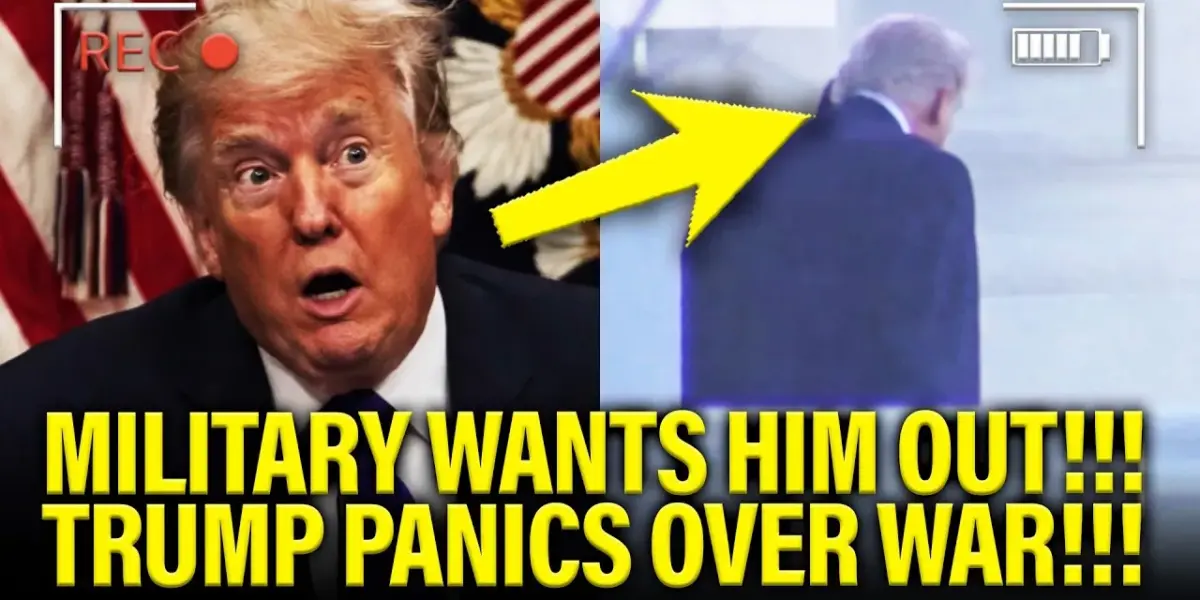
Military Leaders Try to Block Trump’s War Escalation
Reports suggest that top military generals are attempting to keep Donald Trump out of critical war discussions. This comes amid concerns that his impulsive actions could endanger U.S. troops. The goal appears to be preventing further escalation of conflict with Iran.
The Jerusalem Post reported that during a recent extraction mission for downed pilots over Iran, military leaders actively excluded Trump from the situation room. They reportedly felt his behavior was too erratic and impulsive, posing a risk to soldiers’ lives.
Trump’s Threats and Shifting Demands
Meanwhile, Trump has been issuing strong threats against Iran. He has repeatedly warned of striking Iranian bridges, infrastructure, and even civilian areas if Iran does not agree to his terms. This aggressive stance comes after a period where he claimed Iran had already surrendered to all his demands, suggesting the war was over.
This shift in tone highlights a pattern of fluctuating rhetoric. Just days after proclaiming victory and market manipulation, Trump returned to threatening widespread destruction. This creates an unstable environment for any potential negotiations.
Iran’s Stance and Negotiation Stalemate
Iran has responded by stating they will not allow ships to pass through the Strait of Hormuz, even on a limited basis. They have also rejected Trump’s claims of a full surrender, particularly regarding uranium enrichment, control of the Strait, and their support for regional groups like Hezbollah.
The situation is further complicated by upcoming negotiation attempts. Steve Witkoff and Jared Kushner are reportedly planning to visit Pakistan for talks with Iranian officials. However, Iran has stated they will not attend these meetings if Trump continues his current rhetoric and maintains the blockade of the Persian Gulf.
Internal Disagreements and Unclear Strategy
There also appear to be internal disagreements within Trump’s team. While some officials claimed JD Vance would join the negotiation delegation, Trump stated Vance would not attend due to security concerns. This lack of clear communication and organization among his advisors has been criticized.
Energy Secretary Chris Wright described Trump’s negotiation style as “creative,” using pressure and uncertainty. However, the tactic of threatening to destroy civilian infrastructure like power plants and bridges is a point of contention, with some labeling it as potentially unlawful or even a war crime.
Historical Context and Iran’s Capabilities
The conflict and negotiation dynamics echo past tensions between the U.S. and Iran. The current situation involves threats of economic disruption, such as closing the Strait of Hormuz, which could significantly impact global trade. Trump’s administration claims the U.S. loses nothing from this closure, while Iran faces substantial daily losses.
Reports suggest Iran may be more prepared than Trump anticipates. Intelligence indicates they possess a significant number of ballistic missiles and drones, many stored in underground facilities. This suggests that threats of widespread destruction might not achieve the desired outcome and could lead to a prolonged or intensified conflict.
Why This Matters
The escalating tensions and the apparent internal divisions within the U.S. leadership create a dangerous situation. The reliance on aggressive rhetoric and threats of destruction, rather than consistent diplomatic engagement, raises serious concerns about the path toward de-escalation and peace.
The military’s reported attempt to sideline Trump highlights a potential crisis of confidence in his leadership during critical moments. This internal friction, coupled with Iran’s firm stance and perceived preparedness, could lead to unintended consequences and a wider regional conflict.
Implications and Future Outlook
The future outlook remains uncertain. Iran’s refusal to negotiate under current conditions, combined with Trump’s continued threats, points towards a potential breakdown in diplomatic efforts. The upcoming delegation’s trip to Pakistan may or may not lead to a breakthrough, depending on whether the U.S. alters its approach.
The situation also raises questions about the effectiveness of aggressive negotiation tactics versus sustained diplomatic dialogue. The international community watches closely, hoping for a resolution that avoids further bloodshed and instability in the Middle East.
The next few days will be crucial as the U.S. delegation travels to Pakistan. Whether Iran will agree to meet, and under what conditions, remains to be seen, but the current trajectory suggests a difficult path ahead.
Source: Trump PANICS as Military WANTS HIM SIDELINED in WAR!!! (YouTube)

Related Articles

US Warns Iran on Strait of Hormuz Actions
The U.S. military has issued a strong warning to Iran regarding actions in the Strait of Hormuz. Following IRGC attacks on merchant ships, Washington signaled potential precision strikes on Iranian infrastructure if diplomatic efforts fail. Advanced drones are providing real-time intelligence, underscoring readiness for escalation.

Generals Blocked Trump from Briefings Amidst War Fears
Top Pentagon officials reportedly excluded former President Donald Trump from critical briefings due to fears his erratic behavior could jeopardize a mission. This decision stemmed from Trump's volatile state after Iran shot down a U.S. airman, leading to threats and obsession with political fallout. The situation highlights concerns about leadership judgment and trust within the administration.
US Faces Limited Options Against Iran’s Strait Control
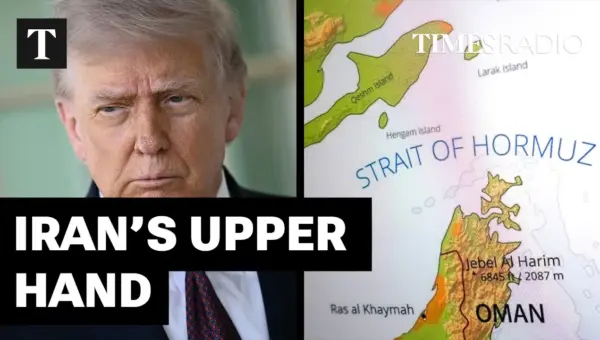
Iran's control over the Strait of Hormuz presents the U.S. with limited options beyond a massive ground invasion. Despite ongoing peace talks and a potential deal mirroring past agreements, Iran's demonstrated leverage over the vital economic chokepoint solidifies its strategic position. The conflict's economic fallout is impacting global markets, with the U.S. experiencing higher energy prices and slower economic growth, while other nations face more severe consequences.