Warsh’s Wealth Could Make Him Richest Fed Chair Ever
Kevin Warsh, a potential nominee for Federal Reserve Chair, possesses significant financial wealth that could make him the richest person to ever hold the post. His views on artificial intelligence suggest a potential push for lower interest rates. However, his vast investments may create complex divestment challenges if appointed.

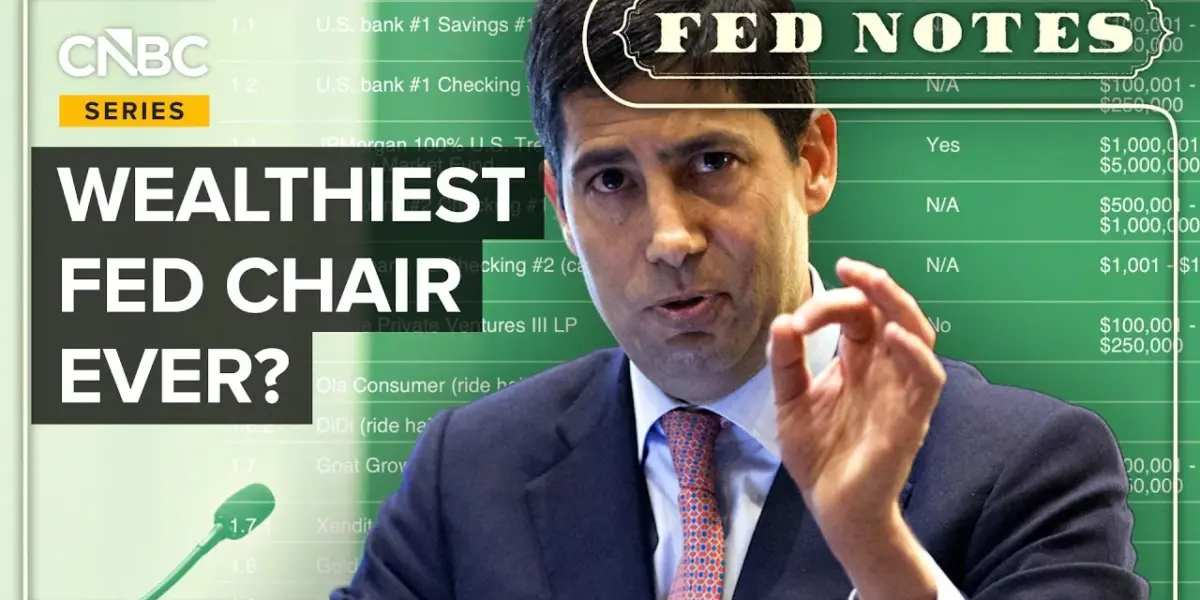
Kevin Warsh, a potential nominee for Federal Reserve Chair, could become the wealthiest individual to ever hold the position, based on his extensive financial holdings.
When Kevin Warsh first joined the Federal Reserve in 2006, he was the youngest person ever appointed to the role. Now, if he is selected to lead the Fed, he may also be the wealthiest.
Warsh has a resume that includes 12 years in government and six years at the Fed, giving him significant experience. He is also described as very smart, capable, and young for such a high-profile position.
Warsh’s financial disclosures reveal a wide range of assets, from items worth a few hundred dollars to holdings valued at over $50 million. This extensive portfolio highlights his significant financial success early in his career and beyond.
Early Career and Marriage
Kevin Warsh began his professional life at Morgan Stanley, a major Wall Street firm. While he earned a good income during this period, he was not yet considered extremely wealthy.
His financial standing changed significantly when he married Jane Lauder, an heir to the Estée Lauder cosmetics fortune. This union brought substantial wealth into his life.
Government Service and Fed Tenure
Following his time at Morgan Stanley, Warsh joined the George W. Bush administration.
He worked within the Office of the National Economic Council, gaining valuable experience in economic policy. He then moved to the Federal Reserve, serving as a governor and becoming a key aide to Chairman Ben Bernanke.
During the 2007-2008 financial crisis, Warsh’s knowledge of the financial system and his Wall Street contacts proved invaluable. He helped the Fed navigate the complex economic meltdown. His insights were crucial as the central bank worked to understand and address the unfolding crisis.
Post-Fed Ventures and Investments
After leaving the Fed in 2011, Warsh pursued a diverse array of business interests. His financial disclosures show involvement in multiple ventures beyond a single primary role. He has notably worked with billionaire investor Stanley Druckenmiller, reportedly earning at least $100 million through this association.
Warsh is also recognized as a fellow at the conservative Hoover Institution, based at Stanford University. He frequently consults for various organizations and gives speeches. His board memberships include UPS and Coupang, a South Korean e-commerce company often called the “Amazon of Asia.” His busy schedule involves frequent travel, indicating a highly active post-Fed career.
Views on Technology and Interest Rates
A significant aspect of Warsh’s financial disclosures involves his deep connections to Silicon Valley and the broader technology sector. He holds investments in numerous startup companies, including many in technology and cryptocurrency. One such investment is in Polymarket, a platform for prediction markets.
Warsh believes that his time spent with major Silicon Valley figures has shaped his economic outlook. He argues that the Federal Reserve is currently underestimating the impact of artificial intelligence (AI). Warsh suggests AI will significantly boost economic growth without causing widespread inflation.
Based on this view, Warsh advocates for lower interest rates. He believes that by reducing rates, the economy can fully benefit from the productivity gains driven by AI.
He has discussed these ideas with prominent tech leaders like Alex Karp of Palantir, Peter Thiel, and Marc Andreessen. These discussions have reinforced his belief that AI’s economic potential warrants a more accommodative monetary policy.
Market Impact and Investor Considerations
If Kevin Warsh were to be appointed Fed Chair, his views on AI and interest rates could significantly influence monetary policy. His perspective, shaped by extensive experience in finance and technology, suggests a potential shift towards a more growth-oriented approach. This could mean lower borrowing costs for businesses and consumers.
However, Warsh’s substantial personal wealth and investments, particularly in technology and startups, could present challenges. To avoid conflicts of interest, he would likely need to divest from many of his holdings. The complexity of managing such a large and diverse financial portfolio could make this process more complicated than for previous Fed chairs.
Investors will be watching closely to see if Warsh’s nomination proceeds and how his unique economic perspective might translate into future Federal Reserve actions. His background suggests a potential focus on technological innovation as a driver of economic expansion.
Source: Trump's Pick Kevin Warsh Could Become The Wealthiest Fed Chair In U.S. History (YouTube)

Related Articles

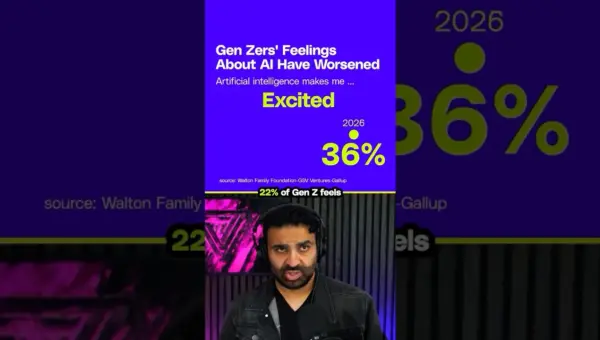
Gen Z’s AI Enthusiasm Dips Sharply
New data shows Gen Z's excitement for AI has sharply declined, with anxiety and anger on the rise. This contrasts with AI experts' high optimism about the technology's impact on jobs. Bridging this perception gap is crucial for AI's future.

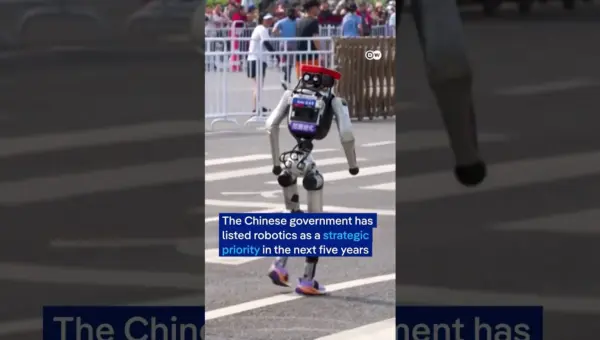
Robot Smashes Half Marathon Record, Outpacing Humans
A humanoid robot has dramatically broken the human record for completing a half marathon, finishing over six minutes faster than the previous best. This achievement underscores the rapid advancements in robotics, particularly in China, and signals a new era of human-robot capabilities.


AI Race Shifts: Mindset Beats Skills, Says Expert
Experts now say that a positive mindset towards AI is more important than technical skills for future success. Those who see AI as a tool for growth and learning will thrive, while those who fear replacement may fall behind. This perspective emphasizes adaptability and continuous learning.