US Military Prepares to Board Iran-Linked Ships
The U.S. military is preparing to board Iran-linked ships in international waters as part of a new strategy called 'Economic Fury.' This move aims to cut off funding for the Iranian regime and could lead to the seizure of oil tankers. Experts warn this escalates the conflict, driven by 'zero-sum' demands from both sides.

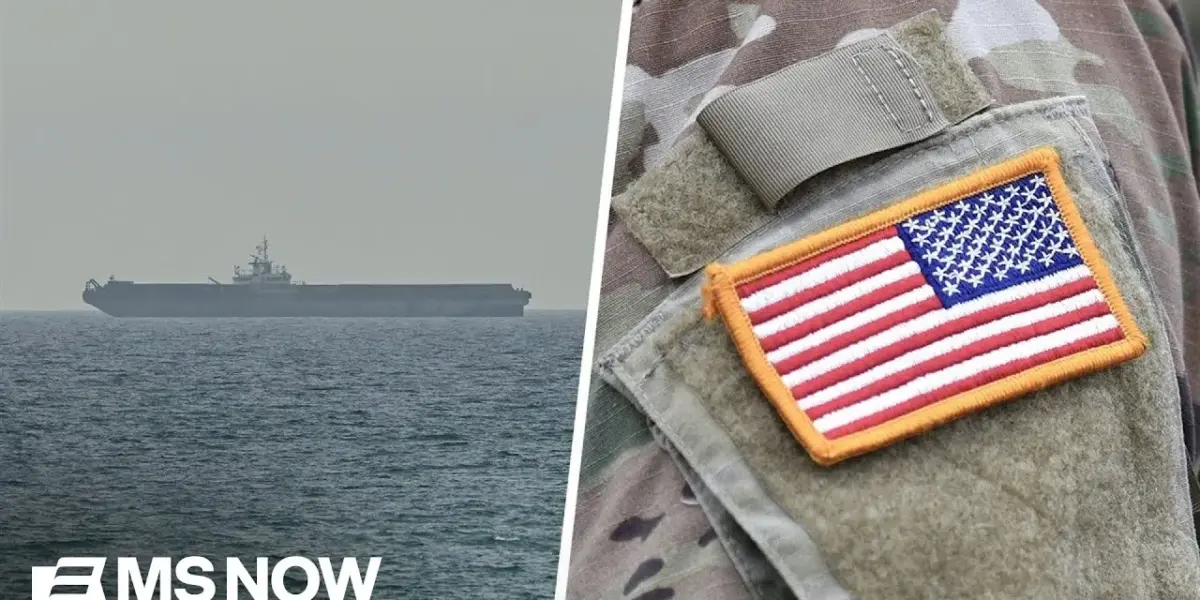
US Military Prepares to Board Iran-Linked Ships
The U.S. military is getting ready to board ships linked to Iran in international waters soon, according to U.S. officials. This move is part of a strategy called “Economic Fury,” aimed at cutting off funding for the Iranian regime. The operation could happen in various parts of the world, not just the Middle East.
What is ‘Economic Fury’?
This new phase follows earlier actions like Operation Epic Fury, which involved bombing campaigns. Now, the U.S. is focusing on economic pressure.
This includes blocking ships from entering or leaving Iranian ports. The next step involves boarding and seizing oil tankers and other commercial vessels connected to Iran.
Potential Actions and Precedents
These actions could occur in the coming days. The military might board ships in areas far from the Middle East, such as the Pacific Ocean. This strategy is designed to stop ships that help fund Iran’s military capabilities and its ongoing conflicts.
The U.S. may even try to keep the oil seized from these tankers. This approach is similar to how the U.S. dealt with Venezuela, involving the Justice Department and Coast Guard to seize tankers.
An Escalating Situation
Professor Robert Pape, director of the Chicago Project on Security and Threats, calls this a very dangerous phase. He notes that both sides are willing to escalate to achieve their goals.
For the first time, U.S. troops would be directly engaging with ships carrying Iranian oil. This is seen as more dangerous than past actions involving Venezuela, especially given Iran’s demonstrated willingness to use drones and attack U.S. bases.
Zero-Sum Demands
The current conflict stems from what Pape describes as “zero-sum” demands from both Iran and the U.S. These are issues where neither side can achieve its goals without the other losing. For instance, Iran cannot simultaneously possess enriched uranium and not possess it.
Similarly, it cannot control the Strait of Hormuz and not control it. This fundamental conflict makes finding a peaceful resolution incredibly difficult.
Chaos and Conflicting Messages
Reporting from Dubai and the White House highlights the chaotic nature of the situation. Daily developments in the Strait of Hormuz present a different story each day.
Iran has made conflicting statements about the Strait’s openness. The U.S. military is imposing blockades, while Iran’s Revolutionary Guard Corps (IRGC) sometimes contradicts official government statements.
Iran’s Internal Divisions
A key challenge is Iran’s internal command and control. Due to recent losses of leaders, the U.S. may be negotiating with certain factions.
However, other groups, like the IRGC, might not receive or agree with these messages. This can lead to actions, such as closing the Strait of Hormuz, that go against diplomatic efforts.
The Strait of Hormuz: Iran’s Leverage
Shelby Holliday believes the Strait of Hormuz remains Iran’s most powerful leverage. Controlling the strait allows Iran to pressure not only the U.S. but also its allies in the Gulf and Europe.
These regions depend on oil transported through the strait. While the U.S. claims it doesn’t need the oil, China and other nations do, giving Iran significant influence.
Enriched Uranium vs. Strait Control
Robert Pape contrasts Iran’s leverage over the Strait of Hormuz with its enriched uranium program. Control of the strait offers short-term power to disrupt economies by deciding which ships can pass.
The enriched uranium, however, represents the regime’s long-term military power. Pape suggests that Iran is pursuing nuclear weapons as a defense against direct attacks on its homeland, as diplomatic promises may not be enough.
A Dangerous Path Forward
Pape warns that the U.S. military’s forceful approach might be pushing Iran further toward developing nuclear weapons, an outcome the U.S. wants to avoid. He believes there was a chance for diplomacy a year ago, but this window is closing. The situation is complex, with internal Iranian divisions and conflicting demands making a resolution increasingly difficult.
Looking Ahead
The U.S. military’s readiness to board Iran-linked ships signals a significant escalation. As diplomatic channels struggle to manage conflicting messages and demands, the potential for direct confrontation grows. The world watches to see if the U.S. strategy of Economic Fury will achieve its goals or lead to further instability in the region.
Source: Wall Street Journal: U.S. military preparing to board Iran-linked ships in international waters (YouTube)

Related Articles

US Navy Blasts Iranian Ship Near Hormuz
U.S. naval forces seized the Iranian cargo ship Motor Vessel Touska near the Strait of Hormuz after a six-hour standoff. The USS Spruance disabled the ship with gunfire, and Marines from the 31st MEU took custody. This action escalates regional maritime tensions as a ceasefire deadline nears.

Trump Won’t Rush Iran Deal, May End Ceasefire
President Trump stated he is in no rush to finalize a deal with Iran and is unlikely to extend the current ceasefire. Experts suggest this signals desperation, while conflicting messages from the administration add to the uncertainty surrounding the ongoing negotiations.

Trump’s Iran Standoff: A Risky Bet for Global Stability?
Libertarian journalist Robby Soave and host Batya debate President Trump's Iran strategy. Soave questions the long-term benefits versus the costs, while Batya highlights market confidence and strategic gains. The discussion covers military power, diplomatic goals, and the potential risks of nuclear proliferation.