NYC Mayor’s Tax Plan Fuels Class War Fears
New York City's new pied-à-terre tax on luxury properties sparks debate. Critics fear it will drive away businesses and hurt the economy, while supporters see it as a way to fund the city's budget. The plan raises questions about who ultimately pays for tax increases.

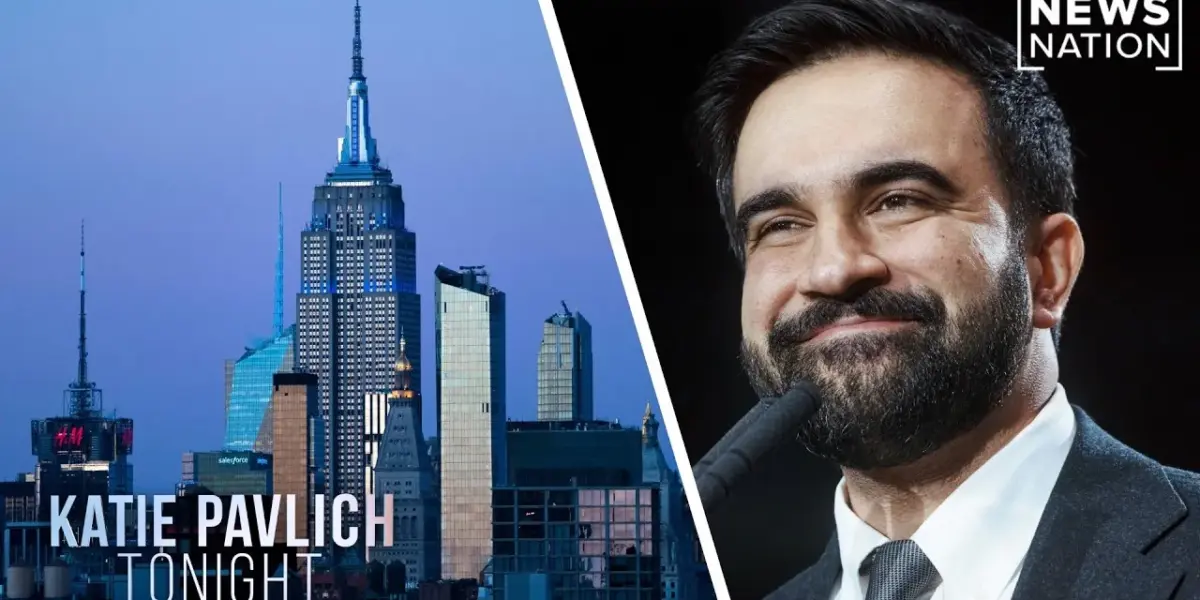
NYC Mayor’s Tax Plan Fuels Class War Fears
New York City’s Mayor Zohran Mamdani is pushing a new tax on luxury properties, sparking strong criticism. This tax, called the pied-à-terre tax, is aimed at expensive homes owned by people who don’t live in the city full-time. The first of its kind in New York, it targets properties worth $5 million and up.
The plan has drawn sharp rebukes, with critics like City Councilmember Vickie Paladino calling it “absolutely evil.” She argues that publicly shaming wealthy individuals for owning property is a tactic used in countries like Russia and China, and it won’t help New York.
A Tax on the Wealthy, or a Blow to All?
Supporters say the tax is a way to make the city’s budget work. Mayor Mamdani’s administration is trying to fill a $127 billion budget gap. The idea is to get money from those who can afford it most, especially those with secondary homes in the city.
However, opponents worry this approach will hurt the city’s economy. They believe that taxing the wealthy too much will drive businesses and job creators away from New York. This could shrink the city’s tax base, meaning less money for essential services in the long run.
Historical Echoes and Economic Fears
Critics like Councilmember Paladino draw parallels to historical figures and regimes known for class conflict. She mentioned leaders like Lenin and Che Guevara, suggesting that such policies often end badly for everyone, not just the rich.
Kenny Burgos, CEO of the New York Apartment Association, also voiced concerns. He pointed out that tax increases don’t just affect the super-rich. Property tax hikes, for instance, can impact middle-class homeowners and renters.
The Budget Gap and Unmet Promises
The mayor’s plan comes amid unfulfilled campaign promises. For example, free bus services are delayed, and a promised grocery store is not expected to open for several years. Critics argue that the city is facing a large budget deficit partly because businesses have already left.
The pied-à-terre tax is expected to bring in about $500 million. However, opponents argue this amount is not enough to close the massive budget gap. If this new tax falls short, the city might be forced to raise property taxes even higher.
Who Really Pays the Property Tax?
This is where the impact could spread beyond the wealthiest owners. Property taxes are a major cost for multi-family buildings.
These buildings house most of the city’s renters. Therefore, higher property taxes often lead to higher rents.
Burgos explained that many of these buildings have rent-stabilized or rent-controlled apartments. Increasing property taxes on these properties can directly affect renters. This seems to go against the mayor’s campaign promise to make the city more affordable.
Why This Matters
The debate over this new tax highlights a core tension in city governance: how to fund public services without driving away the people and businesses that create wealth. It questions whether taxing the wealthy directly is a sustainable solution or a short-term fix that could have negative long-term consequences for all residents.
Implications and Future Outlook
If approved, the pied-à-terre tax could set a precedent for how cities approach taxing luxury assets. It might encourage other large cities to consider similar measures to address budget shortfalls.
However, the success of such policies depends on whether they truly generate enough revenue and if they deter investment. The risk is that if these taxes are perceived as punitive, they could lead to capital flight and economic stagnation, as opponents fear.
Historical Context
Throughout history, governments have grappled with taxing wealth. Policies ranging from wealth taxes to luxury taxes have been tried with varying degrees of success and failure. Often, these policies face strong opposition from those targeted and debates about their fairness and economic impact.
The idea of a “tax on the rich” is not new. However, the specific implementation and the public nature of the current debate in New York City add a contemporary layer to these ongoing discussions about economic fairness and fiscal responsibility.
Looking Ahead
The New York City Council will ultimately decide the fate of this tax. The debate is far from over, and its outcome will be closely watched by policymakers and citizens across the country.
Source: Zohran Mamdani’s NYC tax plan sparks backlash from council member | Katie Pavlich Tonight (YouTube)

Related Articles

World Bank Warns Global Economy Faces Multiple Crises
The World Bank has issued a stark warning about the global economy, which is facing multiple crises simultaneously. Their analysis projects around 15 million jobs could be affected, along with a significant slowdown in growth and persistent inflationary challenges. Policymakers are urged to make difficult decisions that balance current needs with future economic realities.


SantaCon Organizer Accused of Stealing Millions for Lavish Life
The organizer of NYC's Santa Con event, Stefan Pildes, was arrested for allegedly stealing $2.7 million meant for charity. The FBI is seeking victims who bought tickets or whose bars participated in the event since 2019.

Trump Rallies Backfire, Alienating Key Voter Groups, Stanton Says
President Trump's recent rally in Arizona has highlighted voter dissatisfaction, particularly among young people, according to Congressman Greg Stanton. Economic concerns and the war in Iran are major issues driving negative sentiment, impacting Trump's approval ratings and potentially jeopardizing Republican chances in key midterm races.