German Humor Puns Reveal Cultural Quirks
German humor, often expressed through clever memes and puns, reveals a culture that values practicality, efficiency, and linguistic precision. Jokes about daily chores, work life, and consumer habits offer a unique glimpse into German perspectives and everyday experiences.

German Humor Puns Reveal Cultural Quirks
The internet is a place where cultures collide, and sometimes, the funniest moments come from misunderstandings and wordplay. Recently, a video titled “LOL.
Germans are funny” showcased a series of memes and jokes that highlight unique aspects of German culture, often through clever puns and relatable everyday observations. These jokes, while humorous, offer a glimpse into the German mindset, from their approach to work and daily life to their specific linguistic quirks.
One recurring theme in the jokes is the sheer amount of effort it takes to simply manage daily life. The idea of being sick for a few days and then returning to a mountain of chores like cleaning, shopping, and laundry is presented as surprisingly demanding.
This resonates with the feeling that even maintaining a basic level of existence requires significant work, a sentiment many can relate to regardless of nationality. It’s a funny take on the necessary tasks that keep our lives running.
Navigating German Puns and Wordplay
Much of the humor relies on German wordplay, which can be lost in translation but reveals fascinating aspects of the language. For example, a joke about a data center also being called a “rake” (Rockantum vs. Rocken) shows how a single word can have dual meanings, leading to a funny visual of a data center filled with gardening tools. Similarly, the term for an asparagus harvester, “Spargelstecher,” literally translates to “asparagus stabber,” creating a humorous, if slightly aggressive, image for a common agricultural tool.
These linguistic jokes are not just random; they reflect how the German language can be very direct and descriptive. The literal translations of compound words often create vivid and sometimes unexpected meanings. This directness, while efficient, can also lead to humorous situations when applied to everyday objects or concepts, as seen with the asparagus harvester.
Work, Life, and the “Crisis Bonus”
The jokes also touch upon the German work environment and economic realities. The concept of a “crisis bonus” from an employer, presented with a look of apprehension, suggests an underlying awareness or concern about economic stability. It hints at a culture where employers might be signaling their own struggles, prompting employees to wonder about the implications of such a bonus.
Another meme highlights the German train system. The image of people crammed onto the stairs of a regional express train at 30°C, with the caption suggesting this is why people pay for first class, is a sharp, relatable observation. It points to the value placed on comfort and personal space, and the practical reasons behind choosing premium options when available.
Everyday Life and Consumer Habits
Consumer behavior and privacy concerns also feature in the humor. The idea of paying in cash to avoid data collection is contrasted with the American experience, where such a practice is less common.
The joke highlights a specific German desire for privacy, even if it means forgoing the benefits of loyalty programs or digital tracking. It’s a funny commentary on how different cultures approach technology and personal information.
The memes also poke fun at German efficiency and perhaps a bit of over-engineering. The request for a complex, high-powered locomotive or a specific type of nuclear reactor to perform simple tasks is a humorous exaggeration.
It plays on the stereotype of German precision and technical prowess, applying it to absurd everyday situations. This often involves brands like Siemens or Hitachi, known for their industrial products.
Cultural Comparisons and Stereotypes
Some jokes draw direct comparisons between German and American culture. One meme contrasts German smokers with Americans who put sugar in everything, suggesting a mutual judgment on unhealthy habits. This kind of comparison is common online, where cultural stereotypes are often exaggerated for comedic effect.
The mention of a “40-hour work week and unemployment” leading to advice to rob a gambling hall and hide in Bulgaria offers a dark, satirical take on economic choices. It uses extreme scenarios to comment on the perceived pressures or limitations of the job market. The term “spillo” for a gambling hall adds a specific cultural reference.
The Nuances of German Humor
The video demonstrates that German humor often relies on dry wit, irony, and a deep understanding of their own language and cultural norms. The jokes about job postings, like the “Schrödinger’s job posting” for a home office position that isn’t possible, showcase a cynical yet amusing take on workplace realities. This type of humor requires a certain insider knowledge to fully appreciate.
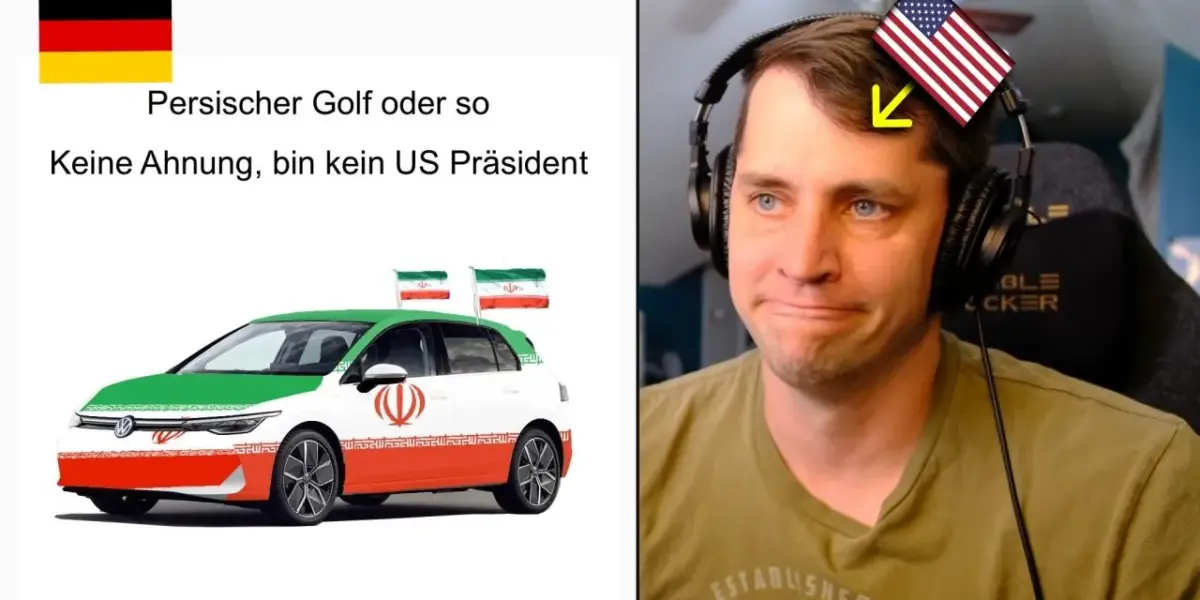
The inclusion of jokes about specific German products, like the Bic lighter having multiple emergency functions, or the VW Golf being a car, not just a sport, shows how everyday items and brand names become part of the comedic narrative. These small details ground the humor in a shared cultural experience.
Why This Matters
Understanding these cultural memes is more than just about laughing at jokes. It offers a window into how people in Germany perceive their own society, their challenges, and their everyday lives. The humor reveals a culture that is often practical, appreciates efficiency, values privacy, and has a unique relationship with its language.
These lighthearted observations can help bridge cultural divides. When we can laugh at the same things, or at least understand why something is funny to another culture, it builds connection. It shows that despite different languages and customs, many human experiences and frustrations are universal, from dealing with chores to handling the challenges of work and life.
Implications and Future Outlook
As the internet continues to connect people globally, the sharing of cultural humor will likely increase. Memes and viral jokes serve as informal cultural exchanges, offering insights that might not be found in traditional media. This trend allows for a more nuanced understanding of different societies, moving beyond broad stereotypes.
The future of humor, especially online, will continue to evolve with technology and global interaction. German humor, with its reliance on linguistic precision and specific cultural context, may find new ways to be shared and understood across borders. The ability to translate not just words, but also cultural references, will be key to this ongoing exchange.
The video concludes with a lighthearted moment about filming people in public, raising questions about privacy and consent, while also showing the creator enjoying the weekend and looking forward to the next week. It’s a fitting end, highlighting everyday interactions that often become fodder for humor.
Source: LOL. Germans are funny (YouTube)

Related Articles


Germans Judge America: Stereotypes and Surprises Emerge
A YouTube creator asked Germans their opinions about America, uncovering a mix of familiar stereotypes and surprising insights. While some perceptions focused on common tropes like loudness and appearance, others highlighted America's diversity and the distinction between its government and people. The video reveals varied German views on American culture, food, and travel.

Trump’s AI Post Sparks Meme Frenzy, Faces Legal Scrutiny
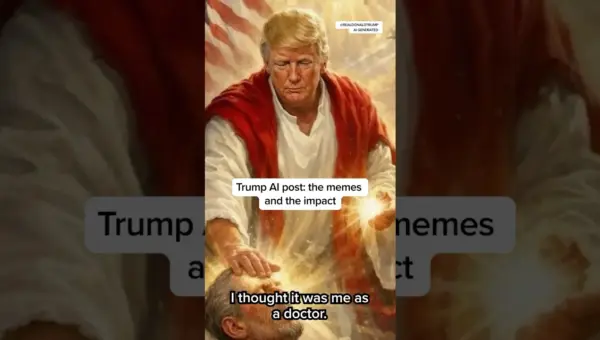
Former President Donald Trump's recent AI-generated images, depicting him in a Christ-like manner, have sparked a wave of online memes and drawn scrutiny from legal experts. This use of artificial intelligence in political messaging raises significant questions about its impact on public perception and the potential for misinformation.

White House Mood Mirrors Chaos: Insiders Share “This is Fine” Memes
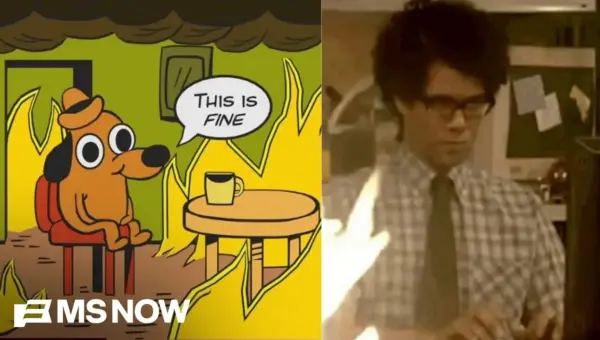
White House insiders are reportedly feeling overwhelmed, with some sharing memes like the "This is fine" dog engulfed in flames to describe the administration's mood. Politico's Dasha Burns reported these sentiments, which contrast with official public messaging. The administration dismissed the memes, insisting on its focus on policy, but recent challenges like rising prices and international setbacks are overshadowing its agenda.