Trump’s AI Post Sparks Meme Frenzy, Faces Legal Scrutiny
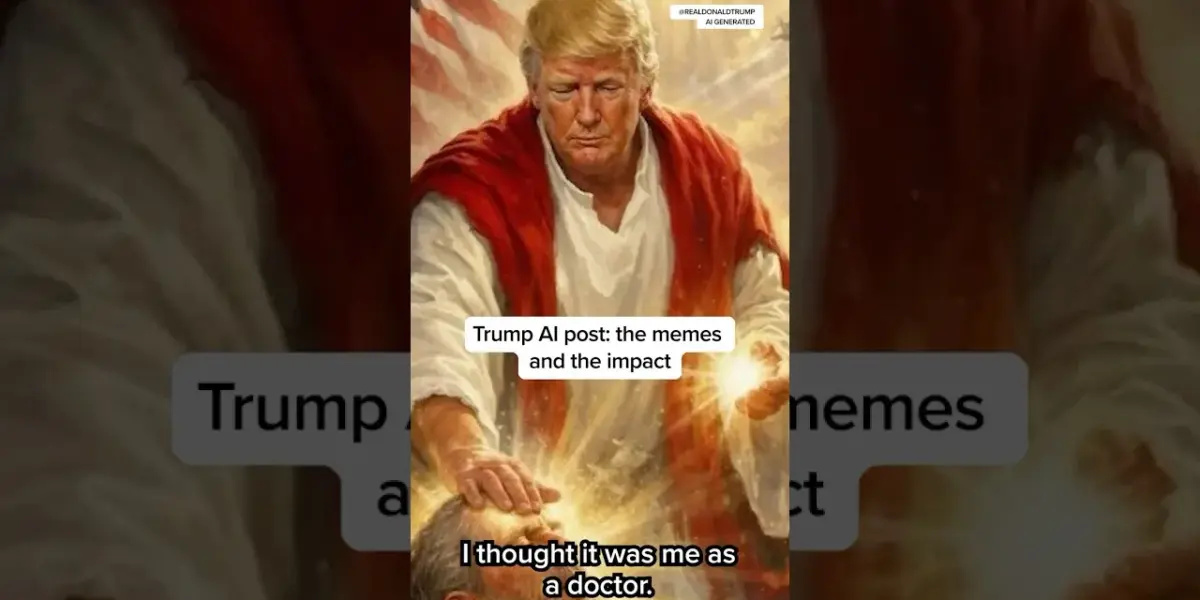
Former President Donald Trump's recent AI-generated images, depicting him in a Christ-like manner, have sparked a wave of online memes and drawn scrutiny from legal experts. This use of artificial intelligence in political messaging raises significant questions about its impact on public perception and the potential for misinformation.

Trump’s AI Post Sparks Meme Frenzy, Faces Legal Scrutiny
Former President Donald Trump’s recent use of AI-generated images to depict himself as a Christ-like figure has ignited a firestorm of online memes and is now drawing attention from legal experts. The images, which show Trump in a heroic, almost divine light, were posted on his social media platform, Truth Social, and quickly went viral. This move has raised questions about the use of artificial intelligence in political messaging and its potential impact on public perception.
Molly Jong-Fast, a commentator, broke down the situation, highlighting the immediate reaction from social media users. The memes created in response ranged from humorous to critical, reflecting the divided opinions surrounding Trump and his political career. Some users embraced the AI imagery, while others used it to mock the former president.
The Rise of AI in Political Campaigns
This incident is part of a growing trend of artificial intelligence being used in politics. AI can create realistic-looking images, videos, and text, making it a powerful tool for campaigns.
However, it also opens the door to misinformation and manipulation. The Trump AI post is a clear example of how AI can be used to craft a specific narrative, aiming to shape voter opinions.
The images themselves, which depict Trump in a way that some have described as resembling religious iconography, were created using AI technology. This technology allows for the rapid generation of visuals that can be highly persuasive. The intent behind using such imagery is often to associate the political figure with positive qualities like strength, leadership, and even sainthood.
Public Reaction and Meme Culture
The online reaction was swift and varied. Social media platforms buzzed with discussions about the AI-generated images.
Many users found the imagery to be over-the-top and even narcissistic. This led to a surge of memes, a common form of online commentary, that playfully or critically responded to Trump’s post.
Memes often use humor to address serious topics, and this situation was no exception. They served as a decentralized way for the public to process and comment on the AI images. This digital response highlights the power of internet culture in shaping public discourse around political events.
Legal and Ethical Concerns Emerge
Beyond the memes, the use of AI-generated content in political advertising and messaging is raising significant legal and ethical questions. Experts are examining whether such AI-generated depictions violate any election laws or ethical standards. The line between political commentary and potentially misleading content is becoming increasingly blurred.
The ability of AI to create convincing, yet false, imagery presents a challenge for regulators and the public alike. It can be difficult to distinguish between authentic content and AI-generated fabrications. This concern is amplified when such tools are used in the highly sensitive arena of political campaigns.
What’s Next for AI in Politics?
The Trump AI post is likely just the beginning of a broader conversation about the role of artificial intelligence in shaping political narratives. As AI technology becomes more accessible and sophisticated, its use in campaigns is expected to increase. This will likely lead to ongoing debates about transparency, authenticity, and the potential for AI to influence democratic processes.
Moving forward, it will be crucial to monitor how regulatory bodies and tech companies address the challenges posed by AI-generated political content. The public’s ability to discern truth from fiction today will be increasingly tested. Future elections may see even more advanced uses of AI, making media literacy and critical thinking more important than ever for voters.
Source: Trump AI post: The memes and the impact (YouTube)

Related Articles
Trump’s DOJ Involvement Should Make Americans Happy, Says Lawyer
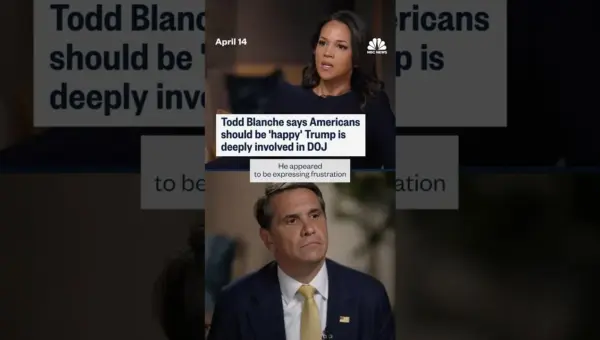
Todd Blanche, a lawyer, stated that President Trump's active involvement in the Department of Justice's work should make Americans happy. He believes the President's high expectations and drive for results lead to significant policy successes, such as tax reforms and new fraud task forces. Blanche sees this hands-on approach as a sign of strong leadership ensuring the administration performs effectively.

Maddow: Trump’s Hungary Ties Raise Security Concerns
The Rachel Maddow Show on April 13, 2026, raised serious national security concerns regarding Donald Trump's relationship with Hungarian Prime Minister Viktor Orbán. Maddow detailed Orbán's authoritarian actions and his alignment with Russia, questioning the potential risks to U.S. alliances and global stability.

New AI Model Slices Response Time by 5x
A new AI model called Mercury 2 uses a novel 'diffusion' approach to generate text much faster than current models. This technology promises to speed up AI applications by over five times, making them more practical for real-world use.