Beef Prices Soar Despite Trump Admin’s Price Cut Promises
Despite campaign promises to lower grocery prices immediately, beef costs have hit record highs, according to federal data. An investigation by MS NOW's JM Rieger reveals shifting statements from the Trump administration regarding efforts to control food prices. Consumers continue to feel the pinch as beef remains unaffordably expensive.

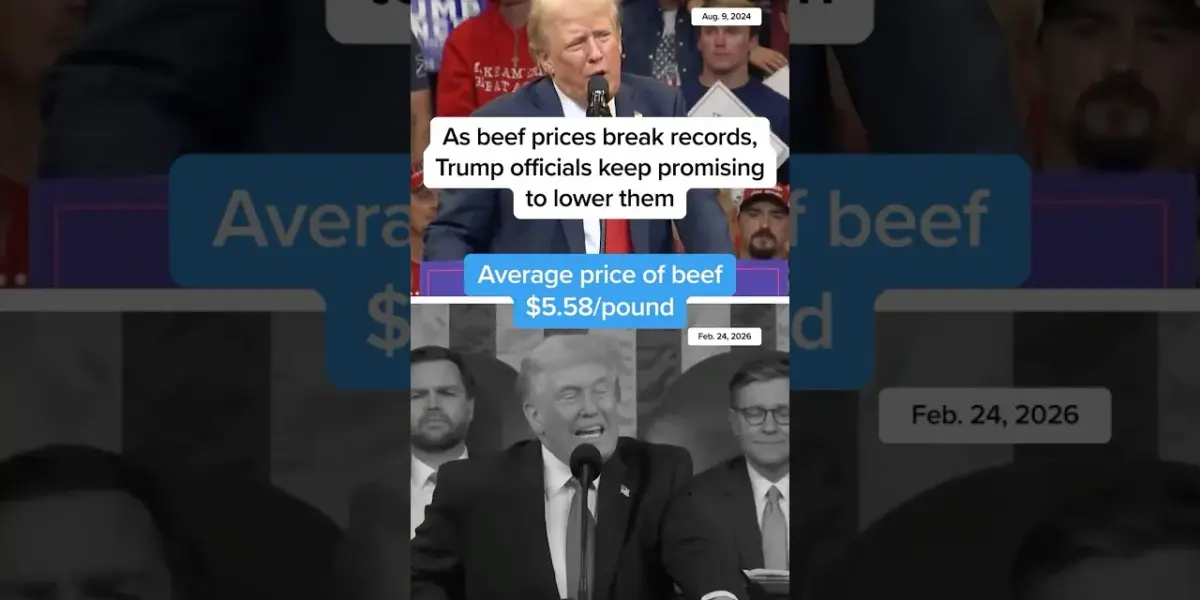
Record Beef Prices Clash with Trump Promises
Despite promises made during the 2024 presidential campaign to lower grocery costs immediately, the price of beef has reached record highs. Federal data shows these increases have continued even as officials within the Trump administration have repeatedly stated their intention to bring prices down. MS NOW’s JM Rieger has investigated the administration’s changing statements on this issue.
Campaign Trail Pledges vs. Market Realities
During his campaign, Donald Trump made a clear pledge to tackle rising grocery prices on his first day in office. This promise resonated with voters concerned about inflation and the cost of everyday essentials. However, since that promise was made, the cost of beef has consistently climbed, setting new records according to government figures.
This situation presents a stark contrast between campaign rhetoric and the current economic reality for consumers. Families are facing higher bills at the checkout counter, making the affordability of staple foods like beef a significant concern. The administration’s repeated assurances have done little to reverse the upward trend in beef prices.
Administration’s Shifting Statements
JM Rieger’s reporting highlights a pattern of evolving statements from the White House regarding efforts to control food costs. While the initial promise was direct action on day one, subsequent communications appear to have shifted focus or offered explanations that do not align with the continued price increases. This has led to questions about the effectiveness of the administration’s strategies or their commitment to the original pledge.
The exact nature of these shifting statements is complex. Some reports suggest a focus on long-term solutions rather than immediate price drops.
Others point to external economic factors being cited as reasons for the persistent inflation. Regardless of the explanations offered, consumers are still experiencing the impact of high beef prices directly.
Economic Factors at Play
Several economic factors can influence the price of beef. These include the cost of feed for cattle, weather conditions affecting grazing, disease outbreaks, and global supply chain issues. Labor shortages in processing plants can also contribute to higher costs by slowing down production and increasing operational expenses.
The meat industry itself has faced significant challenges in recent years. Consolidation among major meatpackers has also been cited by some analysts as a potential factor influencing prices. This concentration of market power could allow fewer companies to have a greater influence on the prices consumers ultimately pay.
Consumer Impact and Future Outlook
The sustained high cost of beef directly affects household budgets across the country. For many families, beef is a primary source of protein, and its increasing price forces difficult choices. Consumers may opt for cheaper alternatives, reduce their overall meat consumption, or allocate a larger portion of their grocery budget to this single item.
The administration’s commitment to addressing these price increases will be closely watched in the coming months. Consumers are hoping for tangible results that will make a difference in their grocery bills. The focus remains on whether policy changes can effectively counteract the market forces driving beef prices to record levels.
Source: As beef prices break records, Trump officials keep promising to lower them (YouTube)

Related Articles


Trump’s Chaotic Diplomacy Fuels Iran Tensions
Conflicting reports and last-minute changes surrounding JD Vance's role in Iran negotiations highlight the Trump administration's chaotic foreign policy. This pattern of escalating threats followed by claims of progress raises questions about U.S. credibility and the path toward stability.
Trump Culls Judges Over Israel Criticism Rulings
President Trump has fired six immigration judges, including two who refused to deport students for criticizing Israel. This action raises concerns about judicial independence and the potential for political influence in legal decisions.


USAID Whistleblower Details Devastating Impact of Trump-Era Cuts
A former USAID official reveals that budget cuts and dismantling efforts during the Trump administration led to over 750,000 preventable deaths, many among children. Nicholas Enrich, author of "Into the Wood Chipper," described the agency's leadership as "clueless buffoons" whose incompetence destroyed vital global health, education, and democracy programs. The cuts also left pro-democracy groups in countries like Iran more vulnerable.