Trump Culls Judges Over Israel Criticism Rulings
President Trump has fired six immigration judges, including two who refused to deport students for criticizing Israel. This action raises concerns about judicial independence and the potential for political influence in legal decisions.

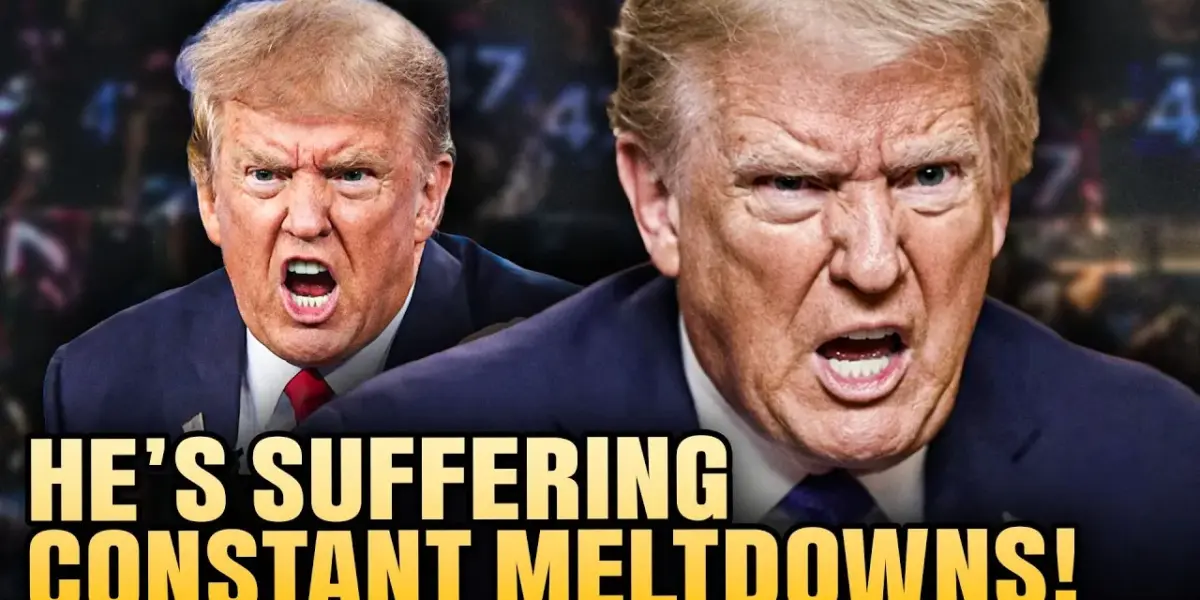
Trump Culls Judges Over Israel Criticism Rulings
President Trump has recently taken a drastic step, firing six immigration judges. This action follows a pattern of frustration with rulings that have gone against his administration’s wishes. While federal judges appointed for life are beyond his reach, immigration judges, who are considered Department of Justice employees, are not.
The timing of these firings is particularly striking. Two of the judges dismissed had just ruled against deporting two college students. These students had faced deportation attempts after criticizing Israel’s policies regarding Palestine.
One student had spoken out, while the other had written an article for a student newspaper. These actions, perceived as protected by the First Amendment, led to the administration’s move to deport them.
Judges Uphold Rights, Face Dismissal
The two immigration judges involved reviewed the cases and determined that the students’ criticisms did not warrant deportation. They saw the actions as protected speech under the U.S. Constitution, especially since the students were in the country on valid visas. The judges believed they were upholding established legal principles and constitutional rights.
However, this decision apparently did not sit well with the President. The transcript suggests that Trump viewed their refusal to deport the students as defiance.
He then decided to remove these judges, along with four others, in a single action. This move signals a strong preference for judges who align with his administration’s directives.
Implications for Justice and Policy
The firings raise serious questions about the independence of the judicial process within the immigration system. When judges are dismissed for rulings that uphold legal and constitutional standards, it can create a chilling effect. It suggests that judicial decisions might be influenced by political considerations rather than solely by law and evidence.
The expectation is that these judges will be replaced by individuals who are more likely to agree with the administration’s deportation policies. This could lead to a more aggressive approach to immigration enforcement, particularly for those expressing critical views. The transcript mentions Project 2025, hinting at a broader agenda for reshaping government institutions, including the judiciary.
Historical Context and Future Outlook
Historically, the independence of the judiciary has been a cornerstone of democratic societies. Judges are meant to be impartial arbiters, applying the law without fear of reprisal. While executive branches do have oversight, direct dismissal of judges for specific rulings is uncommon and often viewed with concern.
The current situation highlights a potential trend where political loyalty may be prioritized over judicial independence. This could impact the fairness of immigration proceedings and the protection of rights for individuals navigating the system. The future may see continued efforts to shape the judiciary to align with specific political objectives.
Why This Matters
This event matters because it touches on fundamental principles of justice and free speech. The ability of individuals, including foreign students, to express critical opinions without fear of deportation is a key aspect of American values. When judges who protect these rights are removed, it sends a powerful message about the administration’s priorities.
It also matters for the integrity of the legal system. If judicial decisions can lead to dismissal, it erodes public trust and confidence in the fairness of the courts.
This could make individuals hesitant to seek justice or express dissent, knowing that the system might not be truly independent. The actions taken by the Trump administration set a precedent that could influence future approaches to judicial appointments and dismissals.
Looking ahead, the process of appointing new immigration judges will be closely watched. The type of individuals selected will indicate whether the administration intends to continue this approach. The long-term impact on immigration law and the protection of constitutional rights remains a significant concern for many observers.
Source: Trump FIRES Judges Who Refused His Orders (YouTube)

Related Articles


Government Weaponized Law Against Pro-Life Advocates
A report suggests the Biden administration targeted pro-life advocates using federal law. Shawn Carney of 40 Days for Life calls this harassment, detailing the extreme case of Mark Houck, whose home was raided by 25 agents. Houck was later acquitted of federal charges and won a civil suit against the DOJ.

USAID Whistleblower Details Devastating Impact of Trump-Era Cuts
A former USAID official reveals that budget cuts and dismantling efforts during the Trump administration led to over 750,000 preventable deaths, many among children. Nicholas Enrich, author of "Into the Wood Chipper," described the agency's leadership as "clueless buffoons" whose incompetence destroyed vital global health, education, and democracy programs. The cuts also left pro-democracy groups in countries like Iran more vulnerable.


US Declared Iran Victory Too Soon, Congress Lacks Oversight
Congressman George Latimer argues the Trump administration declared victory over Iran too soon, highlighting the limits of military action and the need for strategic planning. He also criticizes the lack of Congressional oversight and the President's public negotiation style. This situation underscores the importance of balanced foreign policy.