Stocks Hit Record High Amidst Global Turmoil
The stock market has reached a new record high despite ongoing global conflict and rising inflation. Analysts note that market performance can diverge from economic reality, with potential risks of stagflation. Investors are advised to focus on long-term strategies and avoid emotional decisions during market volatility.


Stocks Reach New Peaks Despite Economic Headwinds
The stock market has achieved a new record high, marking an impressive 11 consecutive days of gains. This streak, the longest since 2021, occurs while the United States faces significant global challenges.
These include ongoing conflict in the Middle East, a 33% rise in gas prices, and record-high credit card debt. Gold prices have also climbed, signaling investor caution, even as stocks push higher.
Understanding Market Behavior in Uncertain Times
Historically, market downturns can present excellent buying chances. Even with escalating geopolitical tensions and recession fears, markets have shown resilience. This disconnect between economic concerns and market performance highlights that the stock market doesn’t always mirror the economy directly.
The International Monetary Fund (IMF) recently released a report, “Global Economy in the Shadow of War,” predicting a slowdown in the global economy. This slowdown could worsen significantly if the conflict persists, potentially leading to a sharp rise in global inflation.
The Threat of Stagflation
A combination of a slowing economy and high inflation is known as stagflation. The United States last experienced stagflation about 50 years ago, a period marked by high unemployment and rising prices.
During that era in the 1970s and early 1980s, wages fell while the cost of goods increased, leading to a roughly 50% drop in the stock market. Gold prices surged during this time as investors sought refuge from a weakening dollar.
Oil Prices: A Key Economic Indicator
The conflict in the Middle East has raised concerns about oil prices, which historically have led to economic difficulties. When oil prices spike, so do gas prices, increasing costs for consumers.
This impacts everything from transportation and groceries to farming and air travel, as the cost of diesel fuel and fertilizers rises. For Americans already dealing with inflation, higher energy costs add further financial strain, pushing many towards credit card debt.
Inflation and Consumer Spending
Record credit card debt indicates that many individuals are struggling financially, often resorting to borrowing to cover essential expenses. The significant government spending and money printing following the 2020 pandemic contributed to inflation.
This means the value of the dollar decreased, and the prices of goods rose faster than wages. Consequently, many people today have less purchasing power than before the pandemic, despite earning higher nominal incomes.
The Economy’s Dependence on Spending
The U.S. economy relies heavily on consumer spending. When people spend less, businesses earn less, which can slow economic growth.
This could lead to reduced hiring, slower expansion, or even layoffs. For example, if a restaurant chain like Chipotle sees less business, it might cut back on opening new locations or reduce its workforce.
Federal Reserve’s Role and Investor Reactions
In past economic slowdowns, the Federal Reserve, the central bank of the U.S., has typically lowered interest rates and increased the money supply to stimulate the economy. Lower interest rates make borrowing cheaper, encouraging spending on big-ticket items like houses and cars.
Money printing can also boost the economy by allowing the government to spend more, potentially through stimulus checks. Historically, such measures have benefited investors as increased spending drives company profits.
The Fed’s Dilemma: Inflation vs. Growth
The current situation presents a challenge for the Federal Reserve. If oil prices remain high, it could worsen inflation, potentially forcing the Fed to raise interest rates to control prices, as it did in 2022 and during the stagflation of the 1970s.
However, if the economy weakens significantly due to the war, the Fed might be pressured to cut interest rates and print more money to support growth. Investors are closely watching this dilemma, as the Fed’s decision will have a major impact on the market.
Long-Term Investing Strategy
For long-term investors, focusing on the next 10 to 20 years is crucial. If you believe the economy will grow over this period, buying assets during market downturns can be a smart strategy.
Historically, market crashes and recessions have created opportunities to buy quality investments at discounted prices. Trying to time the market or predict short-term movements is often less effective than adopting a consistent buying strategy, such as “Always Be Buying” (ABB) and “Buy the Dip” (BTD).
Emotions vs. Financials in Investing
Emotions like fear and greed can be detrimental to investment success. Many investors react to market volatility by selling during downturns, which can lead to losses.
A more effective approach is to focus on the long-term financial fundamentals of investments and ignore short-term noise. Understanding that recessions and market downturns are a natural part of the economic cycle, and preparing for them by investing during good times, can lead to building significant wealth over time.
Market Briefs: Staying Informed
For investors seeking to stay informed about economic and market developments without getting caught up in daily hype, resources like Market Briefs offer concise daily summaries. These newsletters aim to provide clear, easy-to-understand information, helping investors make more informed decisions based on financial realities rather than emotional reactions. The next significant economic shifts are anticipated, and understanding these trends can help investors navigate potential opportunities and challenges.
Source: The Stock Market Just Hit a Record High — And That Should Scare You (YouTube)

Related Articles


Drivers Say Gas Prices Trump ‘No Tax on Tips’ Promise
Rideshare drivers in Las Vegas say rising gas and grocery prices are canceling out any benefits from the 'no tax on tips' policy. They feel economic pressures are making it harder to earn a living, despite promises of tax relief. Their experiences highlight the disconnect between political proposals and daily financial struggles.

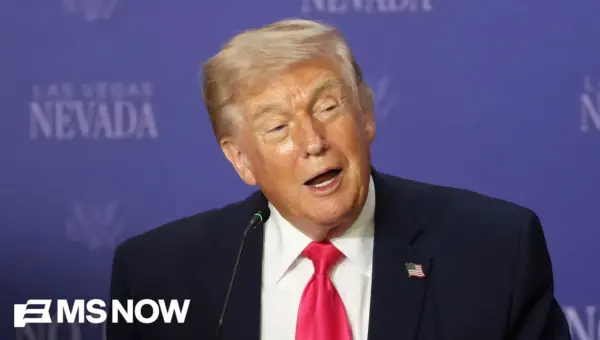
Trump Claims Tax Refunds Boost Economy, Experts Disagree
President Trump promoted tax refunds and tax-free tips during a Las Vegas speech, claiming these policies benefit Americans. However, official data shows average refunds have increased by a modest $346 this year, falling short of covering rising costs for gas and tariffs. Experts suggest economic uncertainty, not just inflation, is impacting public sentiment and business planning.


AI Memory Stocks Surge, Optics Shine as Leaders Emerge
AI memory and optics stocks are surging as demand for data center hardware grows. Tech giants like Microsoft and Google are leading the race in AI platforms, while new competitors emerge. Investors are seeking growth and safety in these tech-focused sectors.