US Eyes Iran Deal Amidst Shifting Diplomacy and Key Variables
The White House is expressing optimism about reaching a deal with Iran to end the war, with mediators working behind the scenes. Key developments include a potential ceasefire agreement between Israel and Lebanon, though Hezbollah's exclusion is noted. Economic pressure through a blockade is seen as a significant factor, but major variables like President Trump and regional leaders introduce uncertainty.

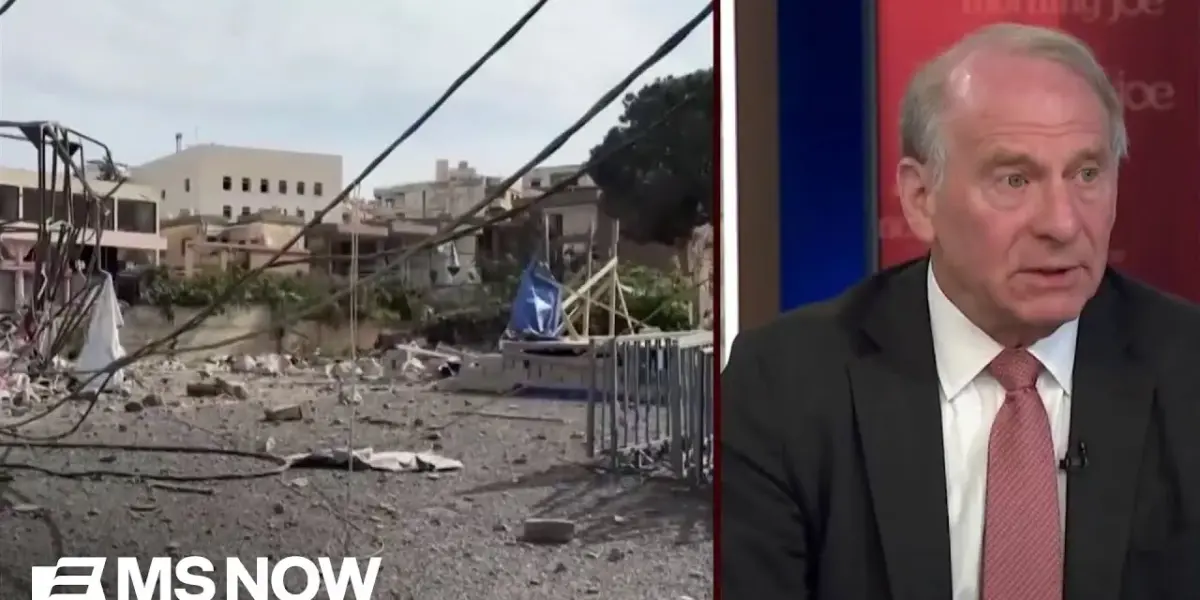
US Expresses Optimism for Iran Deal as Talks Intensify
The White House is publicly expressing confidence that a deal with Iran to end the ongoing war could be reached soon. This optimism comes as mediators work behind the scenes to bridge the gap between the two sides. Pakistan’s army chief met with Iranian officials this week, including the parliament speaker, while Vice President J.D.
Vance also held talks. President Trump indicated that in-person negotiations might occur this weekend, just before the current ceasefire is set to expire.
“Iran wants to make a deal and we’re dealing very nicely with them,” President Trump told reporters. He emphasized the critical need for Iran to have no nuclear weapons, a point Iran has reportedly agreed to. The President also mentioned Iran’s willingness to take actions now that they were not open to two months ago, suggesting a potential breakthrough.
Key Agreements and Sticking Points in Negotiations
According to President Trump, there is significant agreement with Iran, and he anticipates positive developments. Iran has reportedly agreed to give back nuclear material stored underground.
This statement comes as a ceasefire between Israel and Lebanon, brokered by the United States, is now in effect. Israeli forces will remain within Lebanese territory to establish a reinforced security buffer zone.
However, Richard Haass, a foreign policy expert, noted that Hezbollah militants, backed by Iran, were not formally part of this Israel-Lebanon agreement. Haass described Hezbollah as a “state within a state” in Lebanon, a situation the Lebanese government has been unable to fully address. While acknowledging the Israel-Lebanon development as a step in the right direction, he stated it is far removed from the core issues at hand.
Economic Pressure and Nuclear Concerns
Haass highlighted that the blockade imposed on Iran has put significant pressure on its economy, which was already struggling before the war. He believes Iran did not anticipate this counter-blockade, expecting instead to inflict pain on the global market. The blockade, by contrast, is now causing pain for Iran, which Haass thinks they are unprepared to withstand.
Regarding the nuclear issue, Haass expressed difficulty in envisioning a complete resolution. He suggested that a framework might be possible where the U.S. and Iran agree to negotiate limits on Iran’s nuclear capabilities, drawing parallels to previous agreements. The details of any potential nuclear agreement remain unclear, making it hard to assess its feasibility.
Three Major Variables in Diplomacy
Despite the complexities, Haass sees a chance for diplomacy to work, but he identifies three major variables: President Donald Trump, the leadership of Iran, and Israeli Prime Minister Benjamin Netanyahu. He believes there is a logic for neither side to escalate the conflict further. Escalation by Iran could make its energy facilities vulnerable and harm its economy.
Conversely, U.S. escalation could lead Iran to attack the energy facilities of its neighbors. This dynamic suggests that both sides may have run out of effective options for escalation. Haass sees the current situation, with its focus on diplomacy and economic pressure, as much better than continued missile exchanges that risk American lives.
Public Opinion and Political Pressures
Reports from Lebanon indicate that the public is angered by Hezbollah’s involvement in the war, which has invited attacks from Israel. This sentiment suggests a long road to peace, but it also presents an opening for diplomatic progress, similar to the Abraham Accords. The long-term geopolitical future of the Middle East remains uncertain, with unpredictable outcomes in Iran, the ongoing blockade, and the nuclear program.
The current Iranian government was already facing instability before the war, and the economic conditions have worsened significantly. Many believe the government may not survive the next six months.
While there is optimism about ongoing talks, the integration of Hezbollah within the Lebanese population presents a significant challenge to any peace plan. Lawmakers on Capitol Hill are also showing a lack of appetite to continue funding the war, adding another layer of political pressure.
Uncertainty and Next Steps
The White House continues to project optimism, but sources suggest that the reality of the negotiations is complex. The effectiveness of the blockade is a key question, with estimations on how long Iran can withstand it varying widely. Some voices on the right are already pushing for a resumption of military operations, citing Iran’s actions during the ceasefire.
The U.S. faces a political challenge, especially with mid-term elections approaching. The failure of a recent War Powers Act vote on Capitol Hill indicates divisions regarding the President’s authority in this conflict.
As negotiations potentially continue next week, the situation remains fluid, with significant unknowns shaping the path forward. The allocation of funds for continued military operations is expected to be the next major battleground.
Source: Richard Haass: A chance diplomacy can work in Iran, but there are three big variables (YouTube)

Related Articles
Iran’s Red Sea Threat: A Geopolitical Tightrope
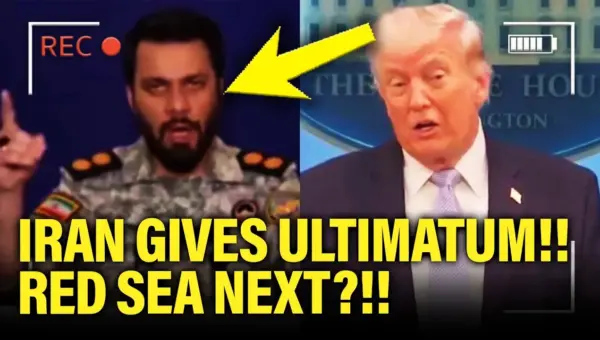
Iran has issued a stark ultimatum, threatening to block the Bab el-Mandeb Strait in the Red Sea if its demands are not met. This escalation comes amid strained U.S. military resources, low morale among troops, and ongoing geopolitical negotiations with uncertain outcomes. The potential disruption to global shipping raises concerns of economic instability and a potential food crisis.


Middle East Ceasefire Holds Amidst Global Weather, Economic Concerns
A fragile ten-day ceasefire between Israel and Lebanon has been announced, offering a glimmer of hope in the Middle East. Meanwhile, the U.S. grapples with widespread extreme weather, from heatwaves on the East Coast to severe storms and flooding in the Midwest. Economic concerns are rising as consumer prices jump and Europe faces a potential energy crisis, while political developments and a personal tragedy in Virginia also capture national attention.

Beirut’s Cease-Fire Sparks Chaos, Not Peace
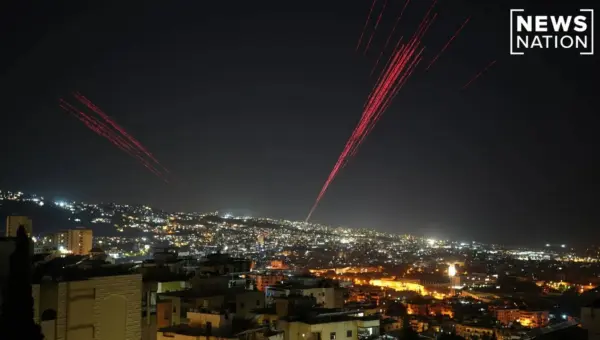
Despite a declared ceasefire, Beirut erupted in gunfire and explosions, signaling the immediate failure of peace efforts. The ongoing conflict highlights the complex control dynamics involving Hezbollah and Iran, casting doubt on Lebanon's path to stability.