Beirut’s Cease-Fire Sparks Chaos, Not Peace
Despite a declared ceasefire, Beirut erupted in gunfire and explosions, signaling the immediate failure of peace efforts. The ongoing conflict highlights the complex control dynamics involving Hezbollah and Iran, casting doubt on Lebanon's path to stability.

Beirut’s Cease-Fire Sparks Chaos, Not Peace
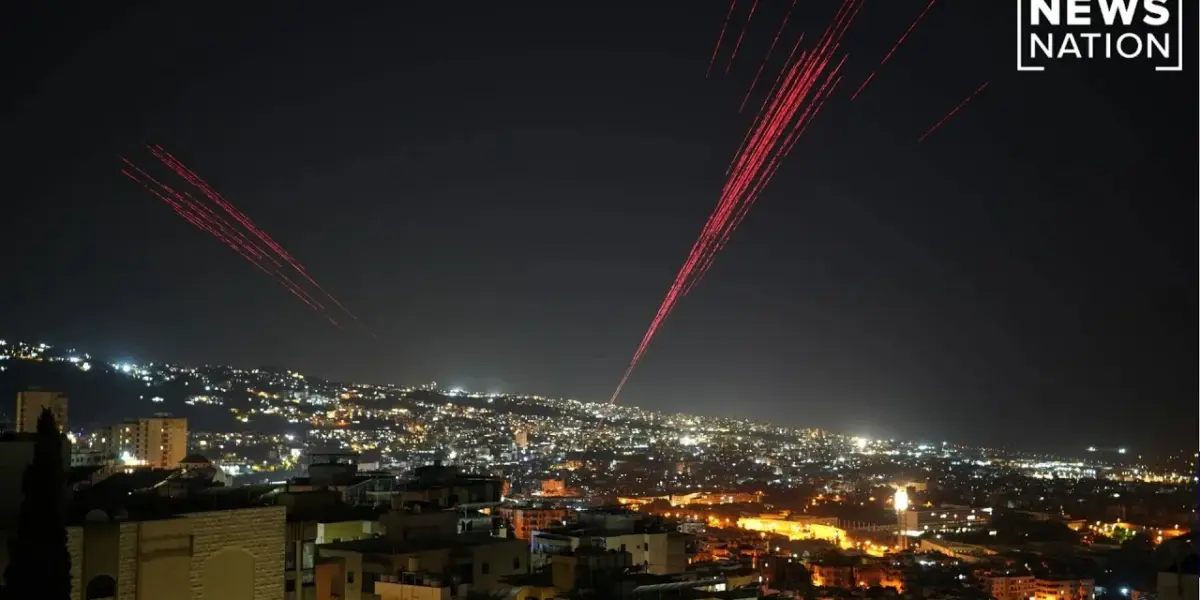
The supposed ceasefire between Israel and Lebanon began at the top of the hour. However, the sounds from Beirut tell a different story.
Explosions and gunfire filled the air, making it clear that peace had not yet arrived. This immediate defiance raises serious questions about who is truly in control.
The ongoing hostilities are linked to Hezbollah’s actions. This group is known to be a proxy force. Determining who commands these fighters and their rockets is difficult.
It’s likely that command and control systems have been damaged in recent days. This makes it harder to manage forces on the ground.
Uncertainty Reigns
Reporters on the ground noted that the situation was as active as they had seen it on many nights. This suggests that the ceasefire might not be fully effective.
The sounds heard did not resemble celebratory gunfire. Instead, they pointed to continued conflict.
The possibility of return fire remained. Analysts believe Israel’s forces were on alert.
They were prepared for the chance that a ceasefire might not take hold. The initial attempt to establish peace clearly failed.
Broader Implications for Peace
The events in Lebanon have connections to larger regional issues, particularly Iran. Iran has stated that a ceasefire with Lebanon is part of its own ceasefire deal.
The United States, however, has disagreed with this view. This difference in perspective highlights a complex web of alliances and objectives.
The real question now is whether Lebanon will take steps to stop terrorist groups operating within its borders. Iran’s ability to fund these proxy groups may be weakening.
This is due to cuts in oil funding. It presents an opportunity for Lebanon to change its path.
Lebanon has a choice. It can join the rest of the world and stop being a state sponsor of terrorism. Now would be a good time to take advantage of this situation.
However, Hezbollah is deeply embedded in Lebanese culture and possibly the government. This makes any move away from conflict challenging. The path forward remains unclear.
Why This Matters
The immediate failure of the ceasefire in Beirut shows the deep divisions and complex power structures in the region. It highlights the difficulty of achieving lasting peace when non-state actors play a significant role. The involvement of groups like Hezbollah, supported by external powers like Iran, complicates any diplomatic efforts.
This situation affects not only the immediate parties involved but also the broader stability of the Middle East. When ceasefires fail and conflict continues, the risk of wider escalation increases. This can have devastating humanitarian consequences and further destabilize the region.
Trends and Future Outlook
The ongoing conflict highlights a trend of proxy warfare in the Middle East. Nations often use armed groups to advance their interests without direct military confrontation. This method allows for plausible deniability but makes conflict resolution much harder.
The future outlook depends on several factors. Will Iran continue to fund proxy groups if its own financial resources are strained?
Will Lebanon choose to assert control over groups like Hezbollah? The answers to these questions will shape the region’s stability for years to come.
Historical Context
The relationship between Israel and Lebanon has a long history of conflict. This has often involved groups like Hezbollah acting as a significant force. Understanding this historical context is crucial to grasping the current situation.
Past attempts at ceasefires have often been fragile. They have been broken by continued hostilities or retaliatory actions.
This pattern suggests that achieving a lasting peace requires more than just an agreement to stop fighting. It needs a fundamental shift in the underlying causes of the conflict.
The current situation is a reminder that peace agreements are only the first step. The real work involves building trust, disarming militant groups, and establishing stable governance. Without these elements, ceasefires are likely to remain temporary.
The next steps will involve further attempts to broker a ceasefire. The international community will likely continue to monitor the situation closely.
Source: Celebratory gunfire in Beirut follows Israel-Lebanon ceasefire (YouTube)

Related Articles


Middle East Ceasefire Holds Amid Tensions; US Faces Weather Extremes
A fragile ceasefire between Israel and Lebanon has taken effect after intense fighting, while the U.S. grapples with extreme weather, from Midwest floods to East Coast heatwaves. Meanwhile, former Virginia Lieutenant Governor Justin Fairfax is dead in an apparent murder-suicide, and Spirit Airlines faces potential liquidation.


Middle East Ceasefire Sparks Hope for Iran Peace Talks
A 10-day ceasefire between Israel and Hezbollah has begun, potentially paving the way for US-Iran peace talks. Meanwhile, the Midwest faces severe flooding, while the East Coast swelters under record heat. In other news, a potential collapse of Spirit Airlines looms, and AI is bringing Val Kilmer back to the screen.

US Strikes Iran’s Terror Funding: A New Era?
The U.S. has launched "Operation Economic Fury" targeting Iran's oil smuggling and oil-for-gold networks. These sanctions aim to cut off funds supporting Hezbollah and the IRGC, building on past "maximum pressure" policies. This strategy seeks to weaken Iran's financial lifelines and reduce regional instability.