Ceasefire Fragile: Israel, Hezbollah Trade Blows Before Truce
Israel and Hezbollah exchanged strikes just before a 10-day ceasefire began, highlighting deep mistrust. Residents on both sides expressed mixed feelings, with some hoping for normalcy and others fearing the conflict's return. The truce offers a critical window for diplomatic talks.

Ceasefire Fragile: Israel, Hezbollah Trade Blows Before Truce
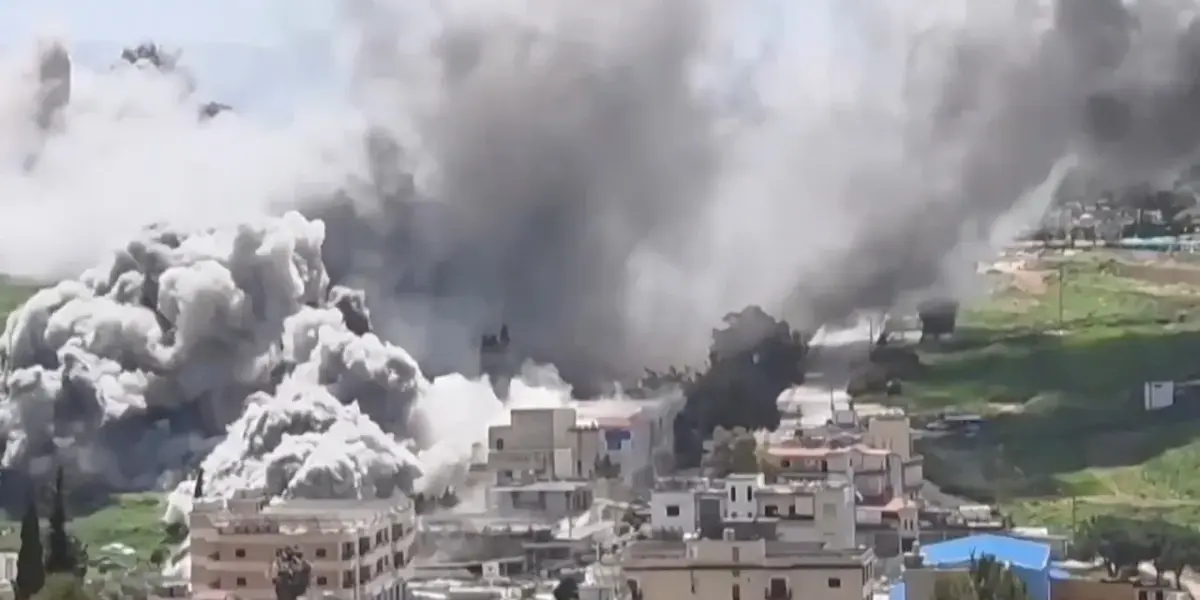
Just before a 10-day ceasefire was set to start, Israel and Hezbollah exchanged heavy fire. Lebanese state-run media reported that Israeli forces carried out many strikes in southern Lebanon.
These attacks happened right before the pause in fighting was scheduled to begin at 5:00 p.m. Eastern time on Thursday.
Israel released video footage showing strikes on individuals they identified as Hezbollah fighters. These individuals appeared to be trying to hide behind trees before being hit. The Israeli military also reported striking another fighter who was in a vehicle.
Emergency crews were seen at the sites after the strikes. Lebanese media stated that one person died in these incidents.
The strikes also hit Lebanon’s last remaining bridge connecting southern Lebanon to the rest of the country. This action occurred just before the ceasefire took hold.
A Hezbollah member on the scene noted that the group had prepared for its supply routes to be cut off. Israeli forces also shared videos of what they said was the destruction of Hezbollah infrastructure in a stronghold area.
Meanwhile, in northern Israel, a Hezbollah rocket landed in a neighborhood mere hours before the ceasefire was to start. Israeli officials reported no injuries from this rocket attack. The exchange of fire highlights the tense situation leading up to the temporary halt in violence.
Netanyahu’s Strategy During the Truce
Israeli Prime Minister Benjamin Netanyahu explained that Israeli troops would stay in southern Lebanon during the 10-day ceasefire. He stated this move has two main purposes.
First, it helps prevent dangerous infiltration into Israeli communities. Second, it stops direct anti-tank fire from reaching these areas, offering protection.
Netanyahu’s decision to keep troops in place suggests Israel is not fully trusting Hezbollah to adhere to the ceasefire terms. The presence of Israeli forces could be seen as a deterrent against renewed attacks. It also allows Israel to maintain a strategic advantage during the pause in fighting.
Mixed Reactions to the Ceasefire
Residents on both sides of the border expressed mixed feelings about the ceasefire. An Israeli resident shared his hope for a return to normalcy.
However, he also voiced doubts about a terror group like Hezbollah truly obeying the rules of a ceasefire. His comments reflect a common concern about the long-term effectiveness of such agreements.
“I am happy to go back to some kind of a normalcy, but at the same time I don’t really believe uh an a terror organization like Hezbollah will actually um obey the rules of a ceasefire.”
A Lebanese resident, displaced by the conflict, shared a different perspective. She questioned the value of a mere 10-day pause if it meant war would return afterward.
Her desire is for a permanent resolution, not a temporary break in fighting. She stated that they do not want the war to return after this short period.
“10 days? If we want to go back to our homes, 10 days and the war returns. We don’t want that. Either our land is fully returned or we don’t want the ceasefire.”
Why This Matters
The events leading up to this ceasefire highlight the deep mistrust and ongoing conflict between Israel and Hezbollah. The pre-ceasefire strikes by both sides show their determination to gain advantages before a temporary halt. This pattern often occurs in conflicts, where each side tries to weaken the other before a truce.
The residents’ reactions are crucial because they represent the human cost of this conflict. For Israelis, the ceasefire offers a chance for safety and a return to daily life, but the fear of future attacks remains. For displaced Lebanese, a short ceasefire is not enough; they seek a permanent end to the violence and the return of their homes and land.
Implications and Future Outlook
This 10-day ceasefire is a critical period for diplomatic efforts. Israel plans to use this time to negotiate an agreement regarding the situation with the Iran-backed Hezbollah group. The success of these talks will depend on many factors, including international pressure and the willingness of both sides to compromise.
The future outlook remains uncertain. If the ceasefire holds and diplomatic talks are productive, it could lead to a de-escalation of tensions.
However, if the ceasefire breaks or negotiations fail, the conflict could easily reignite. The underlying issues, such as territorial disputes and the influence of groups like Hezbollah, need to be addressed for lasting peace.
The involvement of Iran, as mentioned in relation to Hezbollah, adds another layer of complexity to the regional dynamics. The ongoing conflict is part of a larger geopolitical struggle in the Middle East. The next 10 days will be telling for the immediate future of this volatile region.
Source: Israel, Hezbollah Trade Attacks Ahead of Ceasefire (YouTube)

Related Articles

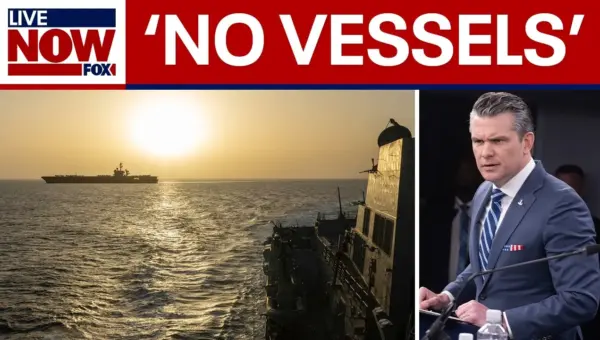
US Vows to Stop Any Ship Linked to Iran
The U.S. military is expanding its mission to intercept any ship linked to Iran, anywhere in the world. This move comes as a two-week ceasefire between the U.S. and Iran is past its halfway point. Tensions also remain high between Israel and Hezbollah in southern Lebanon.

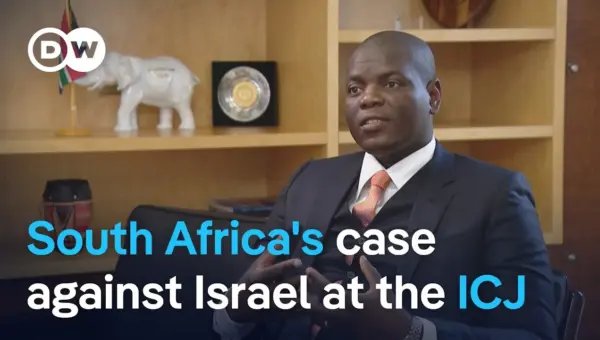
South Africa’s ICJ Case Shifts Global View on Gaza
South Africa's Foreign Minister Ronald Lamola stated that the nation's case against Israel at the ICJ has significantly shifted global awareness and public opinion on the Gaza conflict. He also addressed the economic impacts of global conflicts on South Africa and defended the country's non-aligned foreign policy.

US Ally Faces Global Outcry Over War Actions
Prominent figures and international leaders are increasingly vocal in their criticism of Israel's wartime actions, drawing parallels to historical atrocities and condemning its policies. The report highlights global backlash, diplomatic clashes, and a growing movement advocating for a shift in US foreign policy and support for progressive political change.