US Blockades Iran’s Oil: Economic Fury Unleashed
The United States has imposed a naval blockade on Iran's ports, intensifying economic pressure by targeting the country's vital oil exports. This move, part of "Operation Economic Fury," aims to cripple Iran's revenue streams and force concessions. Experts warn the blockade could severely choke off Iran's economy, impacting its ability to fund government operations and potentially leading to internal instability.

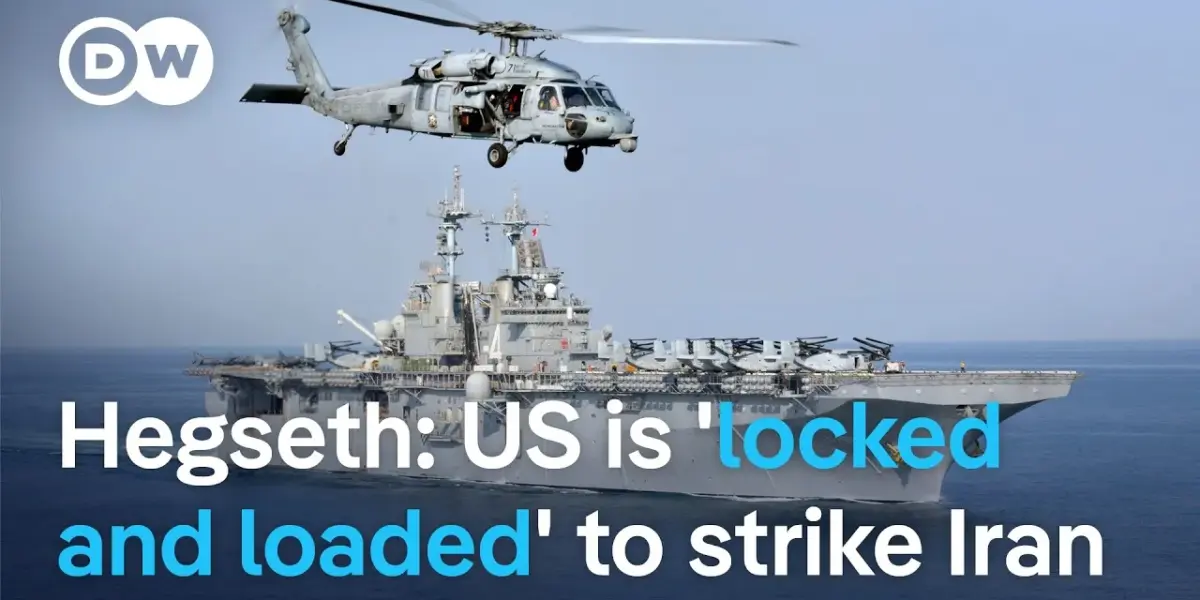
US Tightens Grip on Iran’s Oil Exports
The United States has intensified its economic pressure on Iran by imposing a naval blockade on its ports. This action, announced by President Trump, is a direct response to Iran’s alleged disruption of shipping through the Strait of Hormuz. The U.S. military has stated it is prepared to strike Iran’s energy sector if a deal to end the conflict is not reached.
This move is part of a broader strategy called “Operation Economic Fury,” aimed at maximizing economic pressure across all government agencies. Treasury Secretary Scott Besson emphasized the seriousness of the situation, urging Iran to “choose wisely.” The blockade, which began on Monday, targets Iranian ports and aims to halt the flow of oil, a critical revenue source for the country.
Economic Impact on Iran
Experts believe the blockade could severely cripple Iran’s economy. Mad Maliki, a sanctions expert at the Foundation for Defense of Democracies, explained that Iran’s economy heavily relies on the free flow of commerce through the Strait of Hormuz. Approximately 90-95% of Iran’s daily trade, amounting to hundreds of millions of dollars in imports and exports, passes through this vital waterway.
Cutting off this trade route would mean Iran could lose over $350 million per day. The country’s dependence on oil exports is particularly acute, with about 40% of its government budget coming from fossil fuels.
If oil cannot be exported, Iran has limited storage capacity, likely only enough for 13-14 days. This would force a reduction in oil extraction, potentially causing permanent damage to its oil production capabilities.
The Role of Sanctions and Revenue
Adding to Iran’s challenges, U.S. sanctions already make it difficult to repatriate revenue from oil sales. Funds typically remain in accounts in China, where most of Iran’s oil is sent, and are then used to pay for imports.
A blockade exacerbates this issue, as no oil sales mean no money for essential imports. This could make it difficult for the Iranian government to pay its employees, including members of its armed forces and law enforcement.
The situation is particularly concerning given recent domestic unrest in Iran. Reports suggest that unpaid soldiers have led to families considering legal action against the government. If the regime cannot pay its security forces, especially after recent uprisings, it could face significant internal instability.
Targeting Iran’s “Dark Fleet”
In addition to blockading ports, the U.S. military plans to target Iran’s “dark fleet.” This refers to a fleet of older tankers, often operating outside of standard regulations, carrying Iranian oil. These vessels are typically used for black market sales, often to Chinese refineries willing to take on the risk of sanctions. By targeting these tankers, the U.S. aims to intercept oil that has already been moved out of the Strait of Hormuz and is awaiting sale.
General Don Kaine, Chairman of the Joint Chiefs of Staff, stated that the U.S. would pursue any vessel attempting to provide material support to Iran, including these dark fleet vessels. This strategy aims to increase the risk for buyers and further isolate Iran’s oil trade. The U.S. believes boarding and seizing these tankers, often owned by smaller front companies, is unlikely to trigger a wider international conflict, as they typically do not fly the flags of major powers like China or Russia.
Material Support and Future Negotiations
The U.S. also intends to target vessels providing “material support” to Iran. This likely refers to cargo ships bringing in essential goods that are not related to humanitarian trade, which has exemptions from the blockade. Such support could include chemicals for missile programs, parts for missile and drone manufacturing, or equipment for repairing oil refinery capacity.
The effectiveness of these tactics in pushing Iran towards a deal remains uncertain. While the U.S. seeks concessions on issues like nuclear enrichment and support for proxy groups, past negotiations have shown Iran’s reluctance to agree to terms perceived as unfavorable. Experts suggest that any agreement would likely require compromises from both sides, particularly on the nuclear issue, if a resolution is to be reached.
What’s Next?
The coming weeks will be critical in observing the impact of the blockade and sanctions on Iran’s economy and its willingness to negotiate. The international community will be watching closely to see if these measures lead to a de-escalation of tensions or further complicate the ongoing conflict in the region. The focus remains on Iran’s ability to sustain its economy and government functions under intense economic pressure.
Source: Trump's blockade: Could it upend Iran's oil production if successful? | DW News (YouTube)

Related Articles
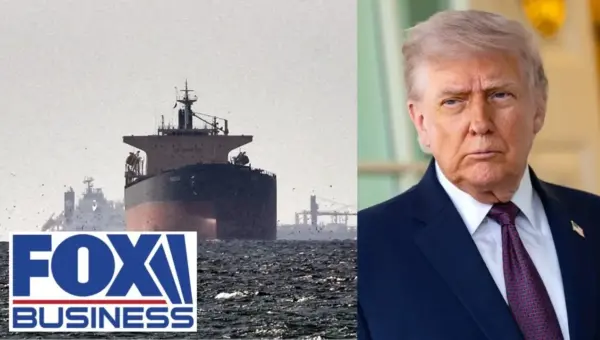
Iran Faces $435M Daily Hit From Economic Blockade
Iran is reportedly losing $435 million daily due to an economic blockade aimed at preventing its nuclear ambitions. This pressure follows decades of mismanagement and sanctions, weakening the nation's financial standing. The situation highlights global geopolitical risks and potential market volatility.

Trump’s Iran Policy Fuels Market Gains, Analysts Say
President Trump's strategy of imposing a crippling economic blockade on Iran is reportedly leading to its financial collapse and contributing to record highs in the stock market. Analysts suggest this decisive foreign policy, combined with pro-growth tax cuts, is creating a favorable environment for investors.

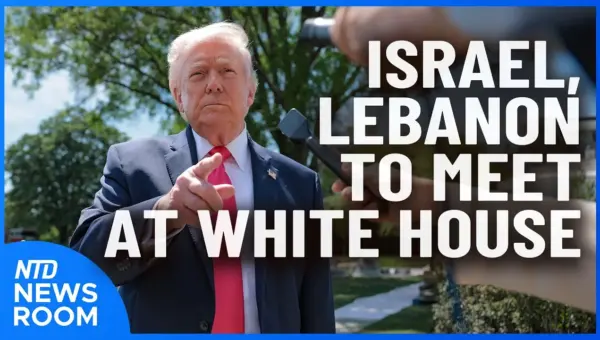
Ceasefire Ignites Hope Amidst Global Tensions
A 10-day ceasefire between Israel and Lebanon, including Hezbollah, has been announced following White House talks. Meanwhile, the U.S. naval blockade against Iran, Operation Economic Fury, continues, aiming to pressure Iran over its nuclear program. Iran has reportedly agreed to give up enriched uranium and forgo nuclear weapons.