Top States Show Housing Bubble Risk
Several states show significant housing overvaluation in 2026, with home prices far exceeding local incomes. New Hampshire, Indiana, and Michigan are among the most overvalued markets, signaling potential price corrections. This trend highlights the importance of income-price balance for market stability.

Overvalued Markets Signal Potential Price Corrections
Several states are showing signs of significant housing overvaluation, meaning home prices have climbed much faster than local incomes. This trend, particularly noticeable when comparing current prices to historical income levels, often predicts future price movements. In 2026, these markets could face price corrections if the gap continues to widen.
Key States Facing Overvaluation
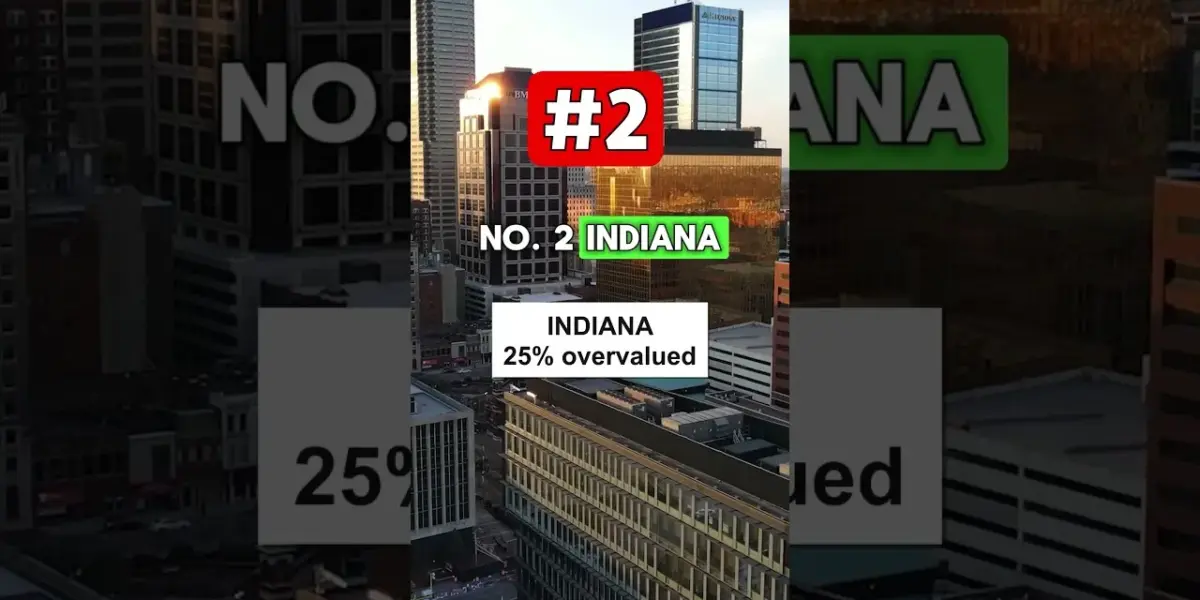
New Hampshire leads the list of overvalued states, with a 25% overvaluation rate. This means home prices are 25% higher than what local incomes would typically support.
Indiana also shows a high rate at 25% overvaluation. Michigan follows closely at 24% overvalued.
Montana is 23.4% overvalued, and Idaho is also showing significant overvaluation. Rhode Island’s overvaluation rate has surged to 22%, indicating a rapid increase in this metric. Other states like Utah, Wisconsin, Nebraska, and Kansas are also on the list of most overvalued housing markets.
Understanding Overvaluation
Housing overvaluation occurs when a home’s price is significantly higher than what local incomes can realistically support. Think of it like this: if a nice shirt costs $100, but people in town only earn $10 per hour, that shirt is likely overpriced for the area. The overvaluation rate quantifies this gap by comparing current home prices to the long-term average relationship between prices and local incomes.
A higher overvaluation rate suggests that a market may be experiencing a housing bubble. These bubbles form when prices rise rapidly, often driven by speculation or low interest rates, and become detached from fundamental economic factors like job growth and wage increases. When these bubbles burst, prices can fall sharply.
Broader Economic Context
The current housing market is influenced by several economic factors. While some areas are seeing prices outpace incomes, others have experienced price drops, leading to potential undervaluation. This divergence creates a complex market where opportunities might exist in areas that have cooled down, while caution is advised in markets with high overvaluation.
Interest rates play a key role. Higher rates make mortgages more expensive, which can cool demand and put downward pressure on prices.
Conversely, low rates can fuel demand and drive prices up, sometimes beyond what incomes can justify. Inflation and job market stability also impact affordability and buyer confidence.
Impact on Buyers, Sellers, and Investors
For buyers in these overvalued markets, purchasing a home could mean buying at a peak, risking a future decline in value. They might face challenges with affordability due to high prices relative to their earnings. Buyers looking in areas with stable or declining prices might find better value.
Sellers in overvalued markets might be able to command high prices currently, but they risk seeing those prices fall if a correction occurs. Understanding local income trends and market comparables is crucial for setting realistic expectations. Investors need to carefully analyze potential returns, considering factors like cash flow and potential appreciation or depreciation.
Regional Differences
The overvaluation trend is not uniform across the country. States like New Hampshire, Indiana, and Michigan show significant risk.
These regions might see more pronounced price adjustments compared to states with more balanced housing markets. Areas with strong job growth and rising wages are generally more resilient to overvaluation.
Conversely, regions where prices have recently dropped might present opportunities for buyers and investors looking for more affordable entry points. A detailed analysis of specific cities and zip codes is essential for making informed decisions, as market conditions can vary greatly even within the same state.
Looking Ahead
As of 2026, these overvalued markets warrant close monitoring. The relationship between home prices and local incomes is a key indicator of market health. Understanding these dynamics can help individuals make better decisions about buying, selling, or investing in real estate.
Source: Top 10 Most Overvalued States (in 2026) (YouTube)

Related Articles


Gold Buys $4.5M Home: Sound Money Debate Ignites
A $4.5 million home was reportedly purchased using $450,000 worth of gold, sparking debate on "sound money" versus fiat currency. Experts question the transaction's practicality, particularly regarding taxes and the seller's acceptance of physical gold.

Rent vs. Buy: New Data Reveals Shifting Housing Landscape
Recent financial analysis indicates that renting may be more financially advantageous than buying a home in 2026, challenging the traditional American dream. Rising costs and interest rates have widened the gap between homeownership and rental expenses.


NYC Mayor Backs New Tax on Luxury Second Homes
New York City Mayor Zoran Mamdani is backing a new 'pied-à-terre' tax on luxury properties owned by non-residents. The annual fee targets homes worth over $5 million, aiming to generate $500 million and affect 13,000 properties. This move is seen as a political win for the mayor and a way to raise revenue from the ultra-wealthy.