Trump’s AI Jesus Posts Spark Outrage, Distraction Tactics
Donald Trump's recent AI-generated images of himself as Jesus Christ have sparked outrage and accusations of blasphemy. Critics argue these posts serve as a distraction from pressing political and economic issues, while also employing psychological tactics to solidify his base by framing criticism as partisan attacks.

Trump’s AI Jesus Posts Spark Outrage, Distraction Tactics
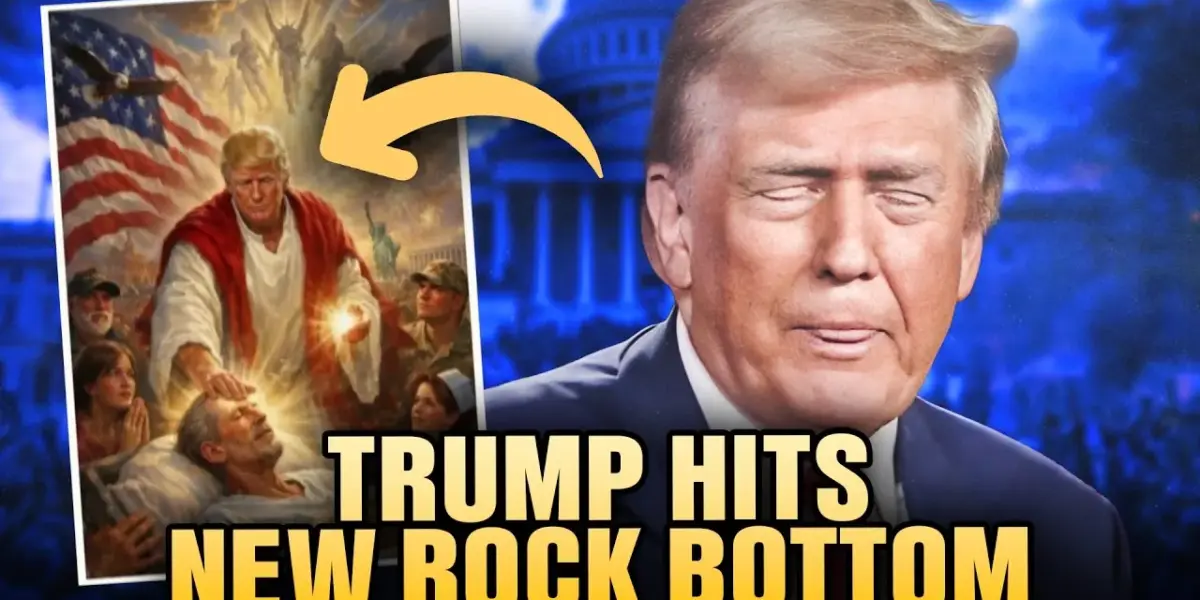
Donald Trump recently posted an AI-generated image depicting himself as Jesus Christ. When questioned about it during a public appearance, he claimed he thought it was an image of himself as a doctor. This statement confused many, as the image clearly showed religious imagery.
The reaction from his supporters, often referred to as MAGA, was largely negative, with many expressing anger and disbelief. This incident followed a week where Trump and Senator JD Vance had also made critical remarks about the Pope.
Trump, seemingly wanting to keep the controversy alive, shared another AI-generated image a few days later. This new image showed him being embraced by Jesus. The original post that Trump shared included a caption suggesting that with the exposure of negative figures, God might be using Trump as his “Trump card.” The implication was that Trump was the one exposing others, rather than potentially being exposed himself.
A New Level of Denial
The idea that Trump is the one exposing evil, rather than being implicated himself, is seen by critics as a profound disconnect from reality. References to Epstein’s name appearing in Trump-related files highlight concerns about potential wrongdoing.
The suggestion that Trump is a divine agent of exposure, rather than a figure facing his own scrutiny, is described as a level of denial that is difficult to comprehend. This viewpoint suggests a deep cult-like following among some supporters.
Despite the strong negative reactions, Trump reposted the image with a caption. He stated that “radical left lunatics” might not like it, but he found it “quite nice.” This statement serves two main purposes.
Firstly, he is aware of the attention the posts generated and aims to reignite the controversy for more media coverage. Secondly, he is attempting to frame the criticism as coming solely from political opponents.
Distraction and Division
By focusing on these controversial AI images, Trump shifts the public conversation away from other pressing issues. Instead of discussing foreign policy concerns with Iran, the ongoing Epstein investigations, or the state of the U.S. economy, the media and public are discussing his religious imagery. This also diverts attention from statistics like the number of deaths in ICE custody or incidents involving ICE agents.
The second part of Trump’s strategy is to rally his base by dividing the audience. He suggests that anyone upset by the posts must be a member of the “radical left.” This is a psychological tactic to discourage his own supporters from criticizing him. If they disagree with the posts, they risk being labeled as part of the opposition, which is a key element of the manipulation he engages in with his followers.
Historical Context and Media Reaction
This behavior is not new, and critics have repeatedly pointed out that such actions are outside the bounds of normal political conduct. The argument is made that if a figure like Joe Biden had posted similar images, the reaction from conservative media, particularly Fox News, would be far more severe. Calls for impeachment or removal from office would likely be widespread.
However, when Trump engages in similar behavior, the response from outlets like Fox News is often muted or quickly moves on to other topics. The focus quickly shifts to perceived threats from other countries or political opponents. This contrast in media coverage highlights a double standard and allows Trump’s controversial actions to receive less scrutiny from certain segments of the media.
Why This Matters
The use of AI-generated religious imagery by a political figure is a significant development. It blurs the lines between genuine belief, political messaging, and digital manipulation. The tactic of using controversy as a distraction is a well-known political strategy, but its application here, wrapped in religious symbolism, is particularly striking.
This raises questions about the role of religion in politics and the ethical boundaries of using sacred imagery for political gain. It also highlights the power of social media to amplify and spread such content rapidly, influencing public perception and discourse. The ability to create convincing, yet false, images adds another layer of complexity to discerning truth today.
Implications and Future Outlook
The incidents suggest a growing willingness to push boundaries in political communication, especially concerning religious themes. Supporters who overlook these actions may be demonstrating a strong loyalty that prioritizes the leader over traditional norms. Critics, meanwhile, see it as a sign of increasing political polarization and a disregard for established standards of decency and respect.
The future may see more politicians using AI-generated content, either for creative expression or strategic manipulation. The public’s ability to critically evaluate digital media will become even more crucial. The challenge will be to distinguish between authentic communication and manufactured narratives designed to influence opinion and distract from substantive issues.
The ongoing use of these tactics by Donald Trump indicates a continued reliance on generating headlines, regardless of their content. The next steps will likely involve further attempts to control the narrative through provocative statements and imagery. The public and media will need to remain vigilant in holding political figures accountable for their words and actions, especially when they involve sensitive themes like religion.
Source: Trump Hits a NEW Rock Bottom (YouTube)

Related Articles
Judge Blocks Trump’s Ballroom Dream at White House
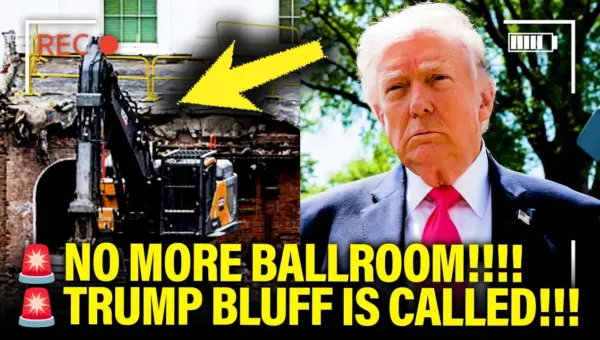
A federal judge has ruled against Donald Trump's plan to build a 90,000-square-foot ballroom at the White House. While underground construction for security facilities is permitted, the above-ground ballroom has been blocked due to lack of congressional approval. The case highlights the balance of power between the president and Congress regarding federal property.


Pope Slams Trump’s ‘Tyrants’ Amidst Religion Row
Pope Leo XIV has publicly criticized "tyrants" and the misuse of religion for political gain, sparking backlash from Donald Trump and his allies. The podcast hosts discuss this conflict, arguing that some politicians exploit faith as a "grift." This clash highlights the growing tension between religious authority and political power.
GOP Faces Midterm Meltdown as Trump’s Woes Mount
Republicans are reportedly in a state of panic over the upcoming midterm elections, as Donald Trump's record-low approval ratings and persistent distractions are overshadowing their efforts. A combination of economic woes, foreign policy stumbles, and internal party conflicts are creating significant challenges for the GOP as they approach a crucial election cycle.