Record Heat, Severe Storms Slam Millions in US
Millions of Americans are facing record-breaking heat waves, while the Midwest battles severe storms, flooding, and tornadoes. Meanwhile, the war in Iran continues to draw international pressure for an exit strategy, and Wall Street experiences a historic surge despite economic uncertainties. In entertainment, a jury ruled against Live Nation and Ticketmaster for monopolistic practices, and the use of AI in Hollywood sparks controversy with a new film featuring an AI version of Val Kilmer.


Record Heat Wave Grips Millions Across U.S.
Millions of Americans are experiencing unseasonably hot weather this week, with temperatures soaring 15 to 30 degrees above average. From the East Coast to the Mississippi River, cities are bracing for record-breaking highs, many expected to reach the 90s. New York City hit 83 degrees, while Washington D.C.
Saw several of its metro airports report record highs on Wednesday. This early spring heat wave is forcing many to seek relief at beaches and parks, with some residents taking personal days to enjoy the unseasonably warm conditions.
The intense heat is a significant shift from typical mid-April weather. Forecasters predict that around 150 temperature records could be broken between now and Saturday.
This widespread warmth is attributed to a strong Bermuda high-pressure system, which is not only pushing temperatures upward but also drawing in tropical moisture. This combination is creating a challenging weather pattern for much of the country.
Severe Storms Unleash Flooding and Tornadoes
While the East Coast swelters, the Midwest is battling severe weather, including heavy rainfall, high winds, and confirmed tornadoes. Parts of Wisconsin are facing evacuations due to major flooding, with some homes experiencing their second flood in a year. Missouri reported at least one tornado overnight, causing extensive wind damage across 11 states, stretching from Texas to New York.
The severe storms are hitting areas still recovering from previous twisters. In Milwaukee, a homeowner described the flooding as tormenting. The National Weather Service has issued flash flood watches and warnings across a wide area, from the Upper Peninsula of Michigan down to Indiana.
The next round of storms poses a significant threat to over 24 million people, with potential for dangerous tornadoes and wind gusts exceeding 75 miles per hour. Heavy rainfall is also a concern, especially in areas that have already seen substantial rain, increasing the risk of flash flooding.
Forecasting the Unpredictable Weather
Meteorologist Al Roker, reporting from Houston, explained the dual role of the high-pressure system. It’s responsible for the record warmth on the East Coast and the severe storms fueled by tropical moisture in the Midwest. He noted that temperatures in Houston could feel cooler than New York City despite the warm air being pumped into the region.
Roker detailed the potential for record-breaking temperatures across a vast area, including Louisiana, the Northeast, and New England. Cities like Fayetteville, Charlotte, Newark, and Philadelphia are expected to see highs in the upper 80s and low 90s. While temperatures are expected to cool down to more seasonal levels by the weekend, the threat of severe weather remains, with potential for strong storms, tornadoes, and significant flooding over the next 48 hours.
War in Iran: Pressure Mounts for Exit Strategy
Entering its seventh week, the war with Iran continues to place President Trump under increasing pressure from both domestic and international leaders to outline an exit strategy. The White House is reportedly pushing to restart peace talks in the coming days, while the U.S. military maintains a partial blockade in the Strait of Hormuz. This naval action aims to pressure Iran by restricting its oil exports.
U.S. warships have broadcast warnings to vessels approaching Iranian ports, threatening force if they do not comply with the blockade. In Tehran, thousands of pro-government supporters protested the blockade.
Iran’s military has warned that continued pressure could lead to disruptions in other vital waterways, such as the Red Sea. Meanwhile, Israel has approved plans for further attacks on Hezbollah in southern Lebanon, prompting the evacuation of over a million civilians.
Congressional Debate on War Powers
Despite the ongoing conflict, Congress has again failed to pass limits on President Trump’s war powers. However, a growing number of Republicans are expressing concerns about the political impact of the prolonged military action. Several Senate Republicans have suggested that the upcoming 60-day mark for the war could be a turning point, as U.S. law requires congressional approval for military actions exceeding that duration.
Many Republicans are now calling for a clear exit strategy, expressing dissatisfaction with the White House’s assurances that the war is nearing its end. This sentiment is amplified by the continued presence of American service members in harm’s way. Public opinion polls indicate that a majority of Americans oppose the conflict, and the President’s approval rating remains a concern for the party, especially with midterm elections on the horizon.
Wall Street Surges Amidst War Uncertainty
The stock market experienced a historic bounce back on Wednesday, with the Nasdaq and S&P 500 closing at all-time highs. This surge comes after initial pessimism following the start of the war with Iran, which had caused stocks to plummet. Investors are now showing optimism, fueled by hopes of a peace deal and President Trump’s statements suggesting a resolution is near.
This market performance offers a reminder to investors to remain invested and not overly react to market turbulence. While Wall Street celebrates, other economic indicators present a mixed picture.
Gas prices have seen a slight decrease, falling nearly 10 cents in a week, with hopes that they will reach the $3 range by summer. However, oil prices are showing signs of rising again, indicating continued volatility in the energy markets.
Antitrust Verdict Against Live Nation and Ticketmaster
A federal jury has found Live Nation and Ticketmaster guilty of operating as an illegal monopoly and overcharging consumers. The verdict came after a closely watched antitrust trial, with claims from over 30 states supporting the accusation that the entertainment giants stifled competition across the live music industry.
The jury determined that Ticketmaster overcharged customers by approximately $2 per ticket. Internal company messages revealed during the trial showed executives joking about exploiting fans.
Live Nation stated that the jury’s verdict is not the final word, but the acting Assistant Attorney General called the ruling a fantastic outcome for the American people. The judge will now determine the next steps, which could include breaking up the companies or imposing monetary penalties.
AI in Hollywood Sparks Controversy
The film industry is grappling with the increasing use of artificial intelligence, particularly in creating digital likenesses of actors. The first trailer for a new movie, “As Deep As the Grave,” has been released, featuring an AI-generated version of the late Val Kilmer. Kilmer’s daughter gave permission for the project, which utilizes archival footage of the actor.
The filmmakers stated that the AI Kilmer appears for over an hour in the film, which was shot with other actors on a physical set. This development follows the use of AI to recreate Kilmer’s voice in the “Top Gun” sequel.
The trend raises ethical questions about the use of AI in entertainment, with filmmakers suggesting similar technology could be used for other iconic stars if families consent. They maintain that this particular film is an ethical tribute to Kilmer’s legacy.
Carpooling Sees a Resurgence
Amidst rising gas prices and traffic congestion, carpooling is making a significant comeback across the United States. Technology platforms are playing a key role in connecting drivers and commuters, making it easier to share rides for work and other purposes. Companies like Scoop have reported a substantial increase in carpooling rides, driven by the need to save money and the push for employees to return to offices.
The trend is also fueled by the desire for companionship during commutes and the environmental benefits of reducing the number of cars on the road. Many cities and states are offering incentives to carpoolers, such as free transit rides or credits. The average carpooling trip is around 18 miles, with costs significantly lower than individual travel, making it an attractive option for many Americans looking to cut down on expenses.
Weather Outlook: Continued Heat and Storms
The forecast indicates a continuation of the unseasonably warm weather across much of the country, with temperatures expected to remain above average for the next few days. However, a shift is anticipated as a cold front moves through, bringing more seasonal temperatures to the East Coast by the weekend.
The Midwest will continue to face the threat of severe storms, with risks of flash flooding, tornadoes, and high winds. Residents in affected areas are advised to stay informed about weather alerts and take necessary precautions. The combination of heat and dry conditions in other regions also presents a fire risk, particularly in the Plains and parts of the Southwest.
Source: Full Episode: TODAY Show – April 16 (YouTube)

Related Articles

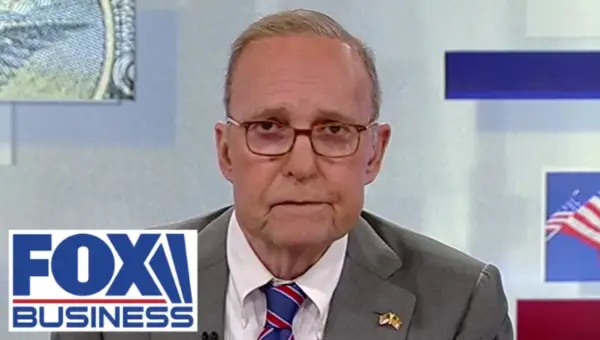
Trump’s Iran Policy Fuels Market Gains, Analysts Say
President Trump's strategy of imposing a crippling economic blockade on Iran is reportedly leading to its financial collapse and contributing to record highs in the stock market. Analysts suggest this decisive foreign policy, combined with pro-growth tax cuts, is creating a favorable environment for investors.

Mayor Slams Iran War’s Economic Pain on New Yorkers
New York City Mayor Eric Adams is criticizing the war in Iran for worsening the city's cost of living crisis. He highlighted the massive government spending on the conflict contrasts sharply with a lack of investment in working-class Americans. Adams echoed Tupac Shakur's sentiment that there's always money for war but not to feed the poor.

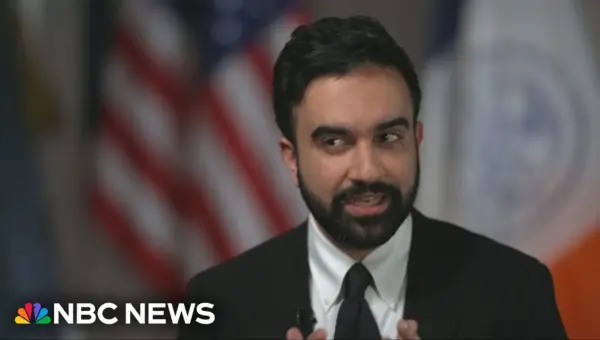
Mayor Slams Iran War Costs, Cites Tupac’s Plea for the Poor
New York City's mayor has sharply criticized the economic fallout from the Iran conflict, stating it worsens an existing cost of living crisis. He echoed Tupac Shakur's plea, "We always have money for war and not to feed the poor," questioning billions spent overseas while domestic needs go unmet. The mayor is exploring relief measures for New Yorkers facing high energy costs due to the war.