Ukraine’s Sovereignty Defended Amidst Land Cession Debate
Peter Magyar firmly stated Ukraine's right to defend its sovereignty, citing the Budapest Memorandum. He criticized suggestions of land cession as treasonous and called for strong, enforceable international security guarantees. The failure of past agreements like the Budapest Memorandum highlights the need for more robust protections.

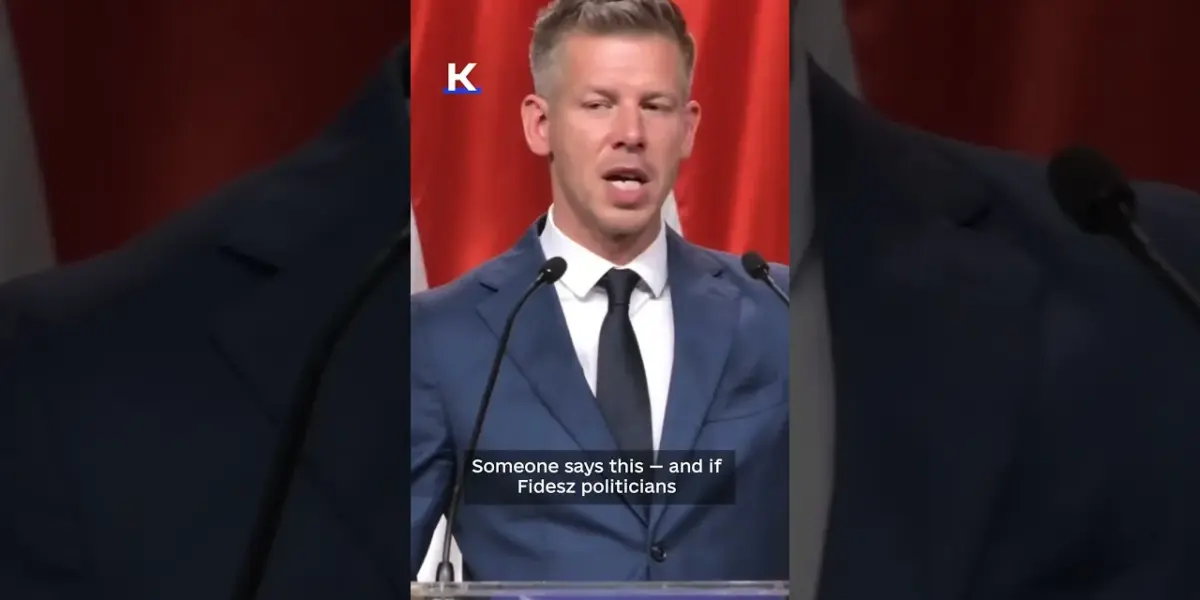
Ukraine’s Right to Territorial Integrity Affirmed
Peter Magyar has strongly asserted Ukraine’s inherent right to defend its sovereignty and territorial integrity. He stated that Ukraine is the victim in the current conflict. This right is further solidified by the 1994 Budapest Memorandum.
This international agreement requires Ukraine to maintain its borders and independence. No external power has the authority to dictate terms of surrender or land cession at the end of the war.
Magyar criticized any suggestion that Ukraine should cede territory to Russia. He labeled such proposals as treasonous.
He drew a parallel to Hungary, questioning what would happen if Russia attacked Hungary. Would any Hungarian county be asked to be surrendered in such a scenario?
Critique of Hungarian Political Stance
The statements from Fidesz politicians suggesting land cession were called hypocritical and unacceptable. Magyar contrasted this rhetoric with the legacy of Hungary’s 1956 heroes and freedom fighters.
He believes this kind of talk does not honor their sacrifice for freedom and sovereignty. This inconsistency highlights a significant moral and political disconnect.
Call for International Security Guarantees
Magyar emphasized the need for robust international security and territorial guarantees for Ukraine. He expressed hope that the U.S. administration and other major global players would support this initiative.
The goal is to ensure peace through enforceable commitments. This approach aims to prevent Ukraine from facing a similar situation to the Budapest Memorandum.
The Budapest Memorandum, signed in 1994, provided security assurances to Ukraine in exchange for its nuclear arsenal. However, these guarantees were not enforced in 2014 when Russia annexed Crimea.
They also failed to prevent the full-scale invasion in 2022. This historical precedent highlights the demand for stronger, more reliable international backing for Ukraine’s security moving forward.
Strategic Implications
Magyar’s remarks highlight a critical point in international relations: the sanctity of national borders and sovereignty. The Budapest Memorandum’s failure to protect Ukraine demonstrates a gap in existing international security frameworks. This pushes for a re-evaluation of how such guarantees are structured and enforced.
The call for new, enforceable guarantees suggests a desire for a more concrete security architecture. This would involve commitments from major powers to actively defend a nation’s territory.
Such a system would aim to deter future aggression by ensuring swift and decisive international intervention. This is crucial for countries that have disarmed based on prior assurances.
Historical Precedent: The Budapest Memorandum
The 1994 Budapest Memorandum is a key reference point in discussions about Ukraine’s security. Ukraine gave up its large Soviet-era nuclear arsenal, the third-largest in the world at the time.
In return, Russia, the United States, and the United Kingdom provided security assurances. These assurances included respecting Ukraine’s independence and sovereignty and refraining from the threat or use of force against its territorial integrity or political independence.
The memorandum’s subsequent ineffectiveness, particularly in 2014 and 2022, has severely damaged trust in such agreements. It is a stark warning about the limitations of non-binding assurances when faced with determined aggression. This historical failure is a primary driver for Ukraine’s current demands for more robust, legally binding security pacts.
Future Outlook
The path to a lasting peace in Ukraine hinges on the international community’s willingness to provide and enforce meaningful security guarantees. Without them, any peace agreement risks being fragile and subject to future violations. The effectiveness of future international efforts will depend on learning from past failures and establishing credible deterrents.
The ongoing debate reflects a broader international challenge: how to ensure state sovereignty in a world where aggressive actions can occur. The focus now shifts to building a framework that offers genuine protection. This is essential for Ukraine and potentially for other nations facing similar threats.
Source: Peter Magyar: Ukraine has 'full right' to defend sovereignty, cannot be forced to cede land (YouTube)

Related Articles

Ukraine Offers Combat Aid to Mideast Allies
Ukraine, while engaged in its own war, has offered its combat experience to allies facing Mideast conflict. Some nations have accepted this offer of battle-tested knowledge, while others have declined. This move highlights Ukraine's strategic effort to leverage its hard-won insights as a valuable international asset.

Cuba’s President Reacts to Question About Stepping Down
Kristen Welker described a surprising moment when Cuban President Miguel Díaz-Canel reacted strongly to her question about whether he would step down. The journalist believes the president's annoyance stemmed from the challenge to Cuba's sovereignty. The interview also touched on economic reforms and political freedoms.
Ukraine’s Drone Unit Leads March Successes
Ukraine's Security Service unit led in drone usage during March, President Zelenskyy reported. He also backed diplomatic efforts in the Middle East, stating a ceasefire should not lead to reduced sanctions on Russia. Ukraine is preparing for European security meetings.