Strait of Hormuz Blockade: Fueling Inflation at Home
A potential blockade of the Strait of Hormuz by the U.S. is sending oil prices soaring and threatening to increase gas prices for consumers. This geopolitical tension also risks disrupting global fertilizer supplies, adding to existing inflation concerns.

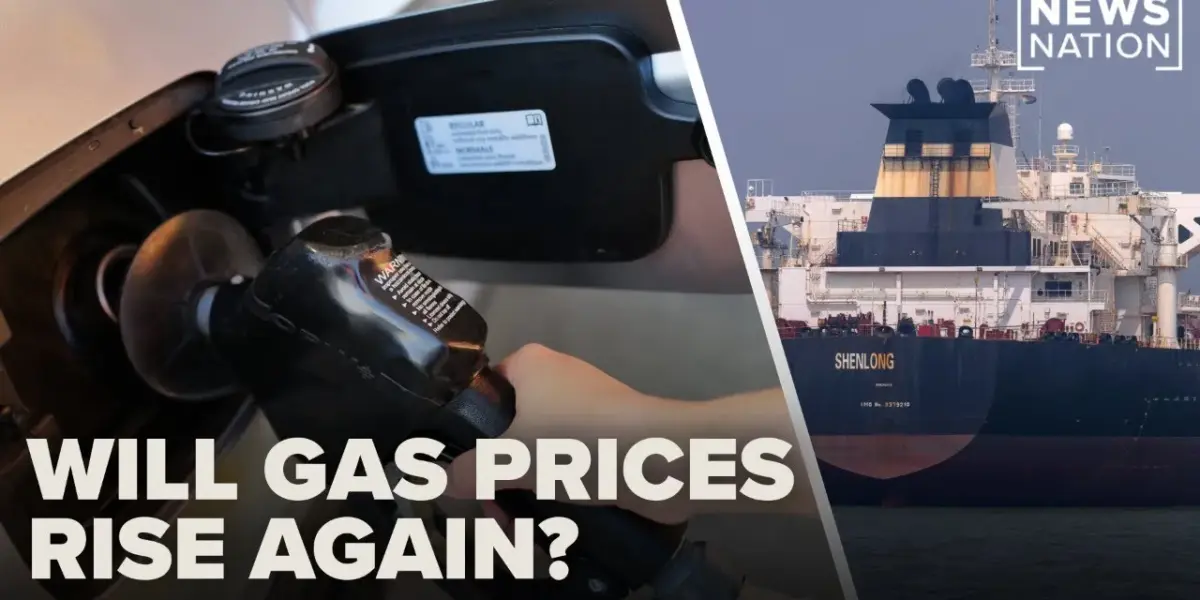
Strait of Hormuz Blockade: Fueling Inflation at Home
Tensions are rising in the Persian Gulf as the U.S. prepares for a new phase in its dealings with Iran. President Trump announced that the U.S. will begin blocking ships heading to Iran. This action is already causing major stock indices to trend downwards, signaling economic unease.
Iran has responded by threatening to block other ports if the U.S. proceeds with its blockade. This uncertainty in a critical global shipping lane is directly impacting oil prices. They are climbing again, adding to the inflation Americans are already experiencing.
Oil Prices Surge Amidst Threats
The immediate effect of this geopolitical development is a rise in oil prices. Brent crude oil prices have already surpassed $100 a barrel in early trading. These prices have been on a steady upward trend since the conflict began.
Some experts believe this new blockade could push oil prices up by an additional $5 to $10 per barrel. This increase will likely translate into higher gas prices for consumers across the country. National average gas prices are already around $4.12 per gallon, up from this time last year.
Michael Lynch, a fellow at the Energy Policy Research Foundation, described the potential blockade as “adding insult to injury.” This suggests that the move could worsen an already difficult economic situation for many.
President’s Outlook on Gas Prices
When asked about the future of oil and gas prices, President Trump expressed hope for a decrease before the midterm elections. He suggested prices might stay the same or perhaps rise slightly, but he doesn’t anticipate a significant drop soon.
His comments indicate an awareness of the public’s concern over rising fuel costs. However, his prediction offers little immediate relief, implying that consumers may need to brace for continued high prices.
Beyond Oil: Fertilizer Prices Also at Risk
The Strait of Hormuz is not just a vital route for oil; it is also critical for global fertilizer trade. About a third of the world’s fertilizer passes through this narrow waterway. A blockade there could significantly disrupt the supply of fertilizers.
Fertilizer prices have already increased by more than 40% from last year. Any further disruption through the Strait of Hormuz could lead to even higher costs for farmers, potentially affecting food prices as well.
Why This Matters
The Strait of Hormuz is a critical chokepoint for global energy supplies. Approximately 20% of the world’s oil passes through this waterway daily. Any threat to its stability has immediate and far-reaching economic consequences, especially for countries heavily reliant on imported oil.
The current situation highlights the delicate balance of global politics and its direct impact on everyday life. Rising energy and fertilizer costs can fuel inflation, impacting everything from transportation expenses to the price of food on grocery store shelves. This can put a strain on household budgets and affect consumer spending.
Implications and Future Outlook
The potential blockade of the Strait of Hormuz highlights the vulnerability of global supply chains. It shows how geopolitical events, even those thousands of miles away, can have tangible effects on domestic economies.
The ongoing tension could lead to sustained high energy prices. This might encourage further investment in alternative energy sources and domestic production. However, in the short term, consumers are likely to face continued price pressures at the pump and in their grocery bills.
Historical Context
The Strait of Hormuz has been a focal point of regional tension for decades. Its strategic importance as a shipping lane has made it a recurring site for geopolitical maneuvering and threats.
Past incidents in the region have often led to spikes in oil prices and increased global economic uncertainty. This historical pattern suggests that the current situation could have similar, if not more pronounced, effects.
The U.S. has historically played a significant role in ensuring freedom of navigation through the Strait. The current administration’s actions reflect a continuation of this policy, albeit with a more aggressive stance.
The response from Iran and other regional players will be crucial in determining the duration and severity of any potential disruption. The outcome could shape global energy markets for the foreseeable future.
The next few weeks will be critical in observing how this situation unfolds. The world will be watching to see if diplomatic solutions can be found or if tensions will escalate further, impacting global markets.
Source: Strait of Hormuz blockade: Where do gas prices go from here? | Morning in America (YouTube)

Related Articles
Trump Orders Naval Blockade of Iranian Ports
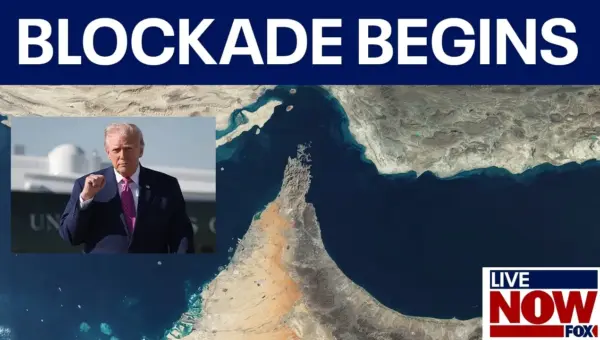
The U.S. Navy has initiated a naval blockade of Iranian ports in the Strait of Hormuz, restricting access for all vessels. President Trump announced the action, warning of "immediate elimination" for any ships approaching the blockade. The move aims to increase economic pressure on Iran.


Iran Mocks US Blockade Threat, Escalates Regional Tensions
Iran is openly mocking the U.S. threat of a naval blockade in the Persian Gulf, calling it an escalation that makes deals impossible. The exchange follows recent incidents that have heightened distrust, and Iran warns of retaliatory action if the blockade proceeds. The situation raises concerns about regional stability and global oil prices.


Ukraine Offers Combat Aid to Mideast Allies
Ukraine, while engaged in its own war, has offered its combat experience to allies facing Mideast conflict. Some nations have accepted this offer of battle-tested knowledge, while others have declined. This move highlights Ukraine's strategic effort to leverage its hard-won insights as a valuable international asset.