Spam Emails Get Their Name From Monty Python
Those unwanted emails have a funny origin story, named after a 1937 canned meat product. The term "spam" was popularized by a classic Monty Python sketch where repetitive songs about the meat drowned out conversation. Early internet users adopted the term in the 1990s to describe unsolicited bulk emails due to their excessive repetition.

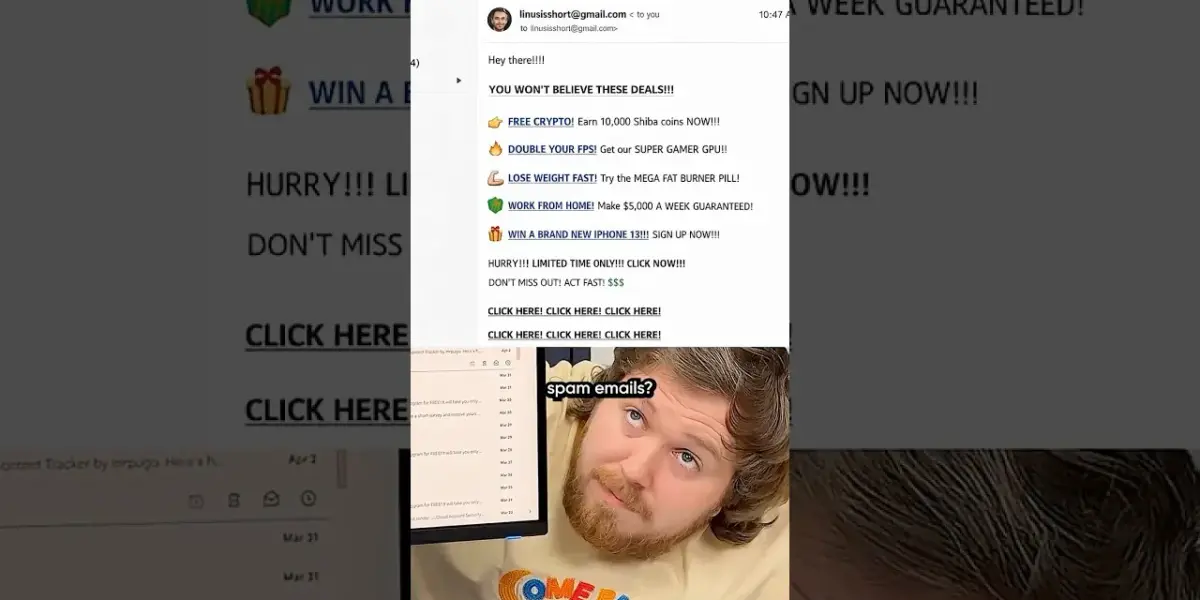
From Wartime Food to Digital Annoyance: The Surprising Origin of Spam
Those unwanted emails flooding your inbox have a surprisingly funny origin story. The term “spam” for junk email actually comes from a 1937 canned meat product. However, its connection to annoying emails isn’t about the food itself, but rather a famous comedy sketch.
The name “Spam” was popularized by a classic Monty Python sketch from the 1970s. In the sketch, a customer tries to order breakfast, but almost every item on the menu includes Spam, the canned meat. This repetition made the word “Spam” stand out.
What really cemented Spam’s place in popular culture, and eventually in internet slang, was the memorable song featured in the sketch. Vikings in the restaurant began singing a repetitive chant about Spam, drowning out all other conversation. This relentless repetition became the key.
The combination of Monty Python’s popularity, especially among early computer enthusiasts and “nerds,” meant the sketch’s humor was widely shared. By the early 1990s, the term “Spam” was being used to describe any kind of unwanted or repetitive communication. It was a perfect fit for the flood of unwanted messages people were starting to receive online.
Over time, the meaning has narrowed and shifted. Today, “spam” specifically refers to unwanted electronic messages, most commonly emails. It perfectly captures the idea of something being sent out repeatedly and excessively, much like the song in the sketch.
How Repetition Led to a Digital Term
The core idea behind calling unwanted emails “spam” is the sheer volume and repetition. Think of it like a song stuck on repeat that you can’t turn off. The Monty Python sketch brilliantly highlighted how something can become overwhelming through constant repetition.
Early internet users adopted this concept to describe the growing problem of unsolicited bulk emails. These messages were sent out en masse, bothering recipients with unwanted advertisements or messages. The word “spam” perfectly described this digital annoyance.
The sketch showed Spam meat being forced upon customers, much like junk email is forced upon users. This parallel made the term stick. It’s a funny, albeit slightly strange, link between a canned meat product and the digital junk we deal with daily.
Who Should Care About This Origin?
Anyone who uses email or the internet should find this origin story interesting. It offers a bit of cultural context for a common term we use every day. Understanding where “spam” comes from helps appreciate the humor and history behind our digital lives.
It’s a reminder that even the most technical aspects of our online world can have roots in pop culture and comedy. This knowledge can make dealing with those annoying emails slightly more bearable, knowing they’re named after a silly song and a canned meat product.
Specs & Key Features
Product: Spam canned meat
Original Release Year: 1937
Key Association: Monty Python sketch and song
Digital Application: Unwanted electronic messages (emails, posts, etc.)
The original Spam product remains available today. Its cultural impact, however, far exceeds its culinary status, thanks to a comedy troupe. The digital concept of spam is now a major concern for email providers and users worldwide.
The term “spam” is now universally understood in the digital world. It describes unwanted, repetitive content across various platforms. This linguistic journey from a food item to a digital nuisance is proof of the power of comedy and cultural influence.
Source: Why do we call it Spam? (YouTube)

Related Articles


Katt Williams Pod Fails: Shay Shay Wins
Katt Williams' recent podcast appearances have highlighted the unique success of Shannon Sharpe's 'Club Shay Shay.' Sharpe's non-judgmental approach and focus on listening allow guests to share authentic stories, setting his platform apart from others.


Bernie Mac’s Bold Role: A Comedic Masterclass
A recent discussion on Club Shay Shay highlighted Bernie Mac's fearless performance as a gay character in 'Life & Stuff.' The conversation explored the history of drag and cross-dressing in comedy, with guests defending artistic freedom. The legacy of Mac's bold choices continues to resonate.

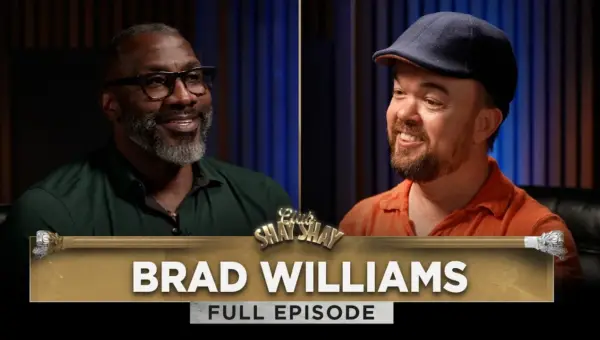
Brad Williams: Hollywood ‘Dwarfs’ CGI, Mike Tyson & Golf Jokes
Comedian Brad Williams joined Shannon Sharpe on 'Club Shay' to discuss his upcoming special, Hollywood's portrayal of little people, and personal anecdotes. He called out the live-action 'Snow White' for using CGI instead of hiring actors and shared funny stories about mistaken identity and his interactions with celebrities like Mike Tyson.