Iran Ceasefire Falters Amid Israel Attacks on Lebanon
A fragile two-week ceasefire between the US and Iran has reportedly collapsed following Israeli airstrikes on Lebanon. Iran views the attacks as a violation, casting doubt on upcoming peace talks in Islamabad, Pakistan. The outcome of these crucial negotiations will determine the region's stability.

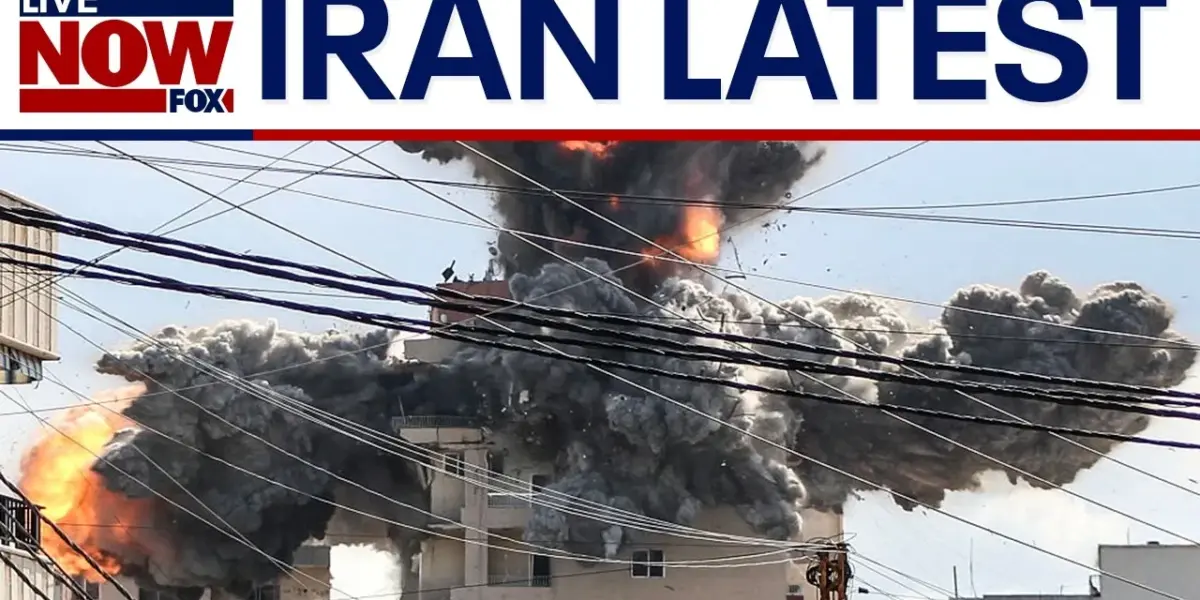
Fragile Truce Shattered: Ceasefire Collapses After Israeli Strikes on Lebanon
A two-week ceasefire between the United States and Iran, aimed at de-escalating tensions in the Middle East, has reportedly collapsed just days after its announcement. The fragile agreement crumbled following significant Israeli airstrikes on Lebanon, which Iran views as a direct violation. This development raises serious questions about the future of diplomatic efforts and the ongoing conflict in the region.
Escalation in Lebanon Triggers Iran’s Response
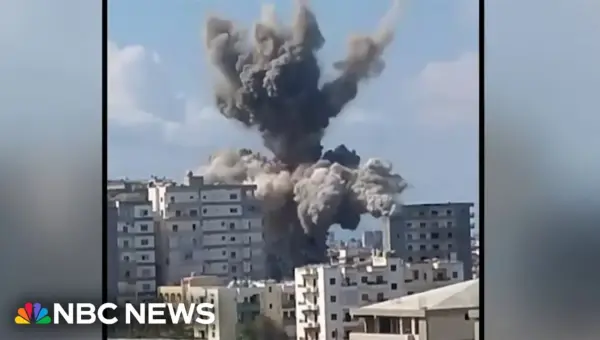
The situation rapidly deteriorated when Israel launched its most substantial air attacks of the conflict on Lebanon. Within a mere ten minutes, over 100 Hezbollah sites were targeted in Beirut, the Beqaa Valley, and southern Lebanon. Shortly after these strikes, Hezbollah claimed responsibility for attacks in northern Israel, signaling that the conflict remains active.
Iran has officially stated that Israel’s actions constitute a breach of the ceasefire agreement. Reports also suggest Iran has launched retaliatory actions against targets in Gulf countries, potentially aimed at Iranian oil infrastructure. The Strait of Hormuz, a critical global oil transit route, has reportedly remained closed amidst the rising tensions.
International Calls for Broader Ceasefire
Western politicians are urging for the ceasefire to be extended to include Lebanon, seeking a more stable path toward negotiations with the Iranian government. International observers note that communication and coordination are crucial for any ceasefire to be effective. Reaching and maintaining such agreements are inherently difficult, especially in volatile conflict zones.
A Reuters report highlighted the severity of the situation, stating that Israel’s strikes killed over 250 people, with the majority in Beirut. This intensified attack occurred as the US-Iran ceasefire took effect. Iran’s ambassador to Pakistan, however, indicated that Tehran, despite its skepticism, would still attend upcoming negotiations in Islamabad.
Eyes on Islamabad: Crucial Peace Talks Ahead
All focus is now shifting to Islamabad, Pakistan, where crucial peace talks between the US and Iran are expected to take place. The outcome of these negotiations is seen as vital for stabilizing the region. International leaders, including those from the UK and Australia, have expressed their desire for a ceasefire to be established between Israel and Lebanon.
International security expert Blanca Veno Kovac emphasized the complexity of negotiations with Iran. She noted that media reports from Western and Iranian outlets often present vastly different narratives.
“We don’t know what’s really going on behind the closed doors,” Kovac stated, highlighting the opacity of the diplomatic process. Despite the current setbacks, Iran has confirmed its participation in the upcoming talks.
Uncertainty Over Key Negotiation Points
The upcoming talks in Islamabad are expected to address several critical issues. These include the terms of a potential ceasefire, Iran’s nuclear program, its ballistic missile development, and the influence of its regional proxies. These complex matters have been long-standing points of contention and will require significant diplomatic effort to resolve.
While President Trump’s administration aims for these negotiations, the path forward remains uncertain. The events of the past few days have significantly complicated the diplomatic landscape. The effectiveness of any agreement will depend on the willingness of all parties to de-escalate and commit to a lasting peace.
What’s Next: Diplomatic Hurdles and Regional Stability
The immediate focus remains on the Islamabad talks, scheduled to begin soon. The international community watches closely, hoping for a breakthrough that can restore stability. The success of these negotiations will be critical in determining whether the fragile ceasefire can be salvaged or if the region will descend further into conflict.
The United States has confirmed its negotiating team, led by the Vice President, is en route to Islamabad. The coming days will be pivotal in understanding the trajectory of US-Iran relations and the broader security situation in the Middle East.
Source: Iran ceasefire at risk over Israel attacks on Lebanon (YouTube)

Related Articles


Trump Voters Doubt Admin’s Iran War Victory Claims
Despite the Trump administration declaring victory in the recent conflict with Iran following a ceasefire, many Trump voters express skepticism. Interviews reveal a disconnect between official pronouncements and public perception, with voters questioning the definition of 'victory' in modern geopolitical conflicts. This highlights challenges in government communication and public trust.
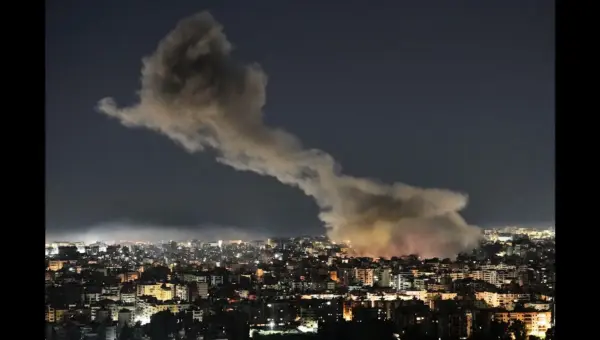
Israel Strikes Lebanon: A Major Escalation Against Hezbollah
Israel recently conducted its largest coordinated strike in Lebanon, targeting over 100 Hezbollah sites in just 10 minutes. The operation highlights escalating tensions and accusations of Hezbollah using civilian areas as shields. This action signals Israel's continued forceful approach against the group.
Fragile Ceasefire: Iran Strikes Spark Global Alarm
A fragile ceasefire between Iran and the U.S. is under threat as Iran continues strikes and disputes erupt over the Strait of Hormuz. Key talks are scheduled in Pakistan this weekend to address major sticking points and prevent further escalation.