Trump Voters Doubt Admin’s Iran War Victory Claims
Despite the Trump administration declaring victory in the recent conflict with Iran following a ceasefire, many Trump voters express skepticism. Interviews reveal a disconnect between official pronouncements and public perception, with voters questioning the definition of 'victory' in modern geopolitical conflicts. This highlights challenges in government communication and public trust.

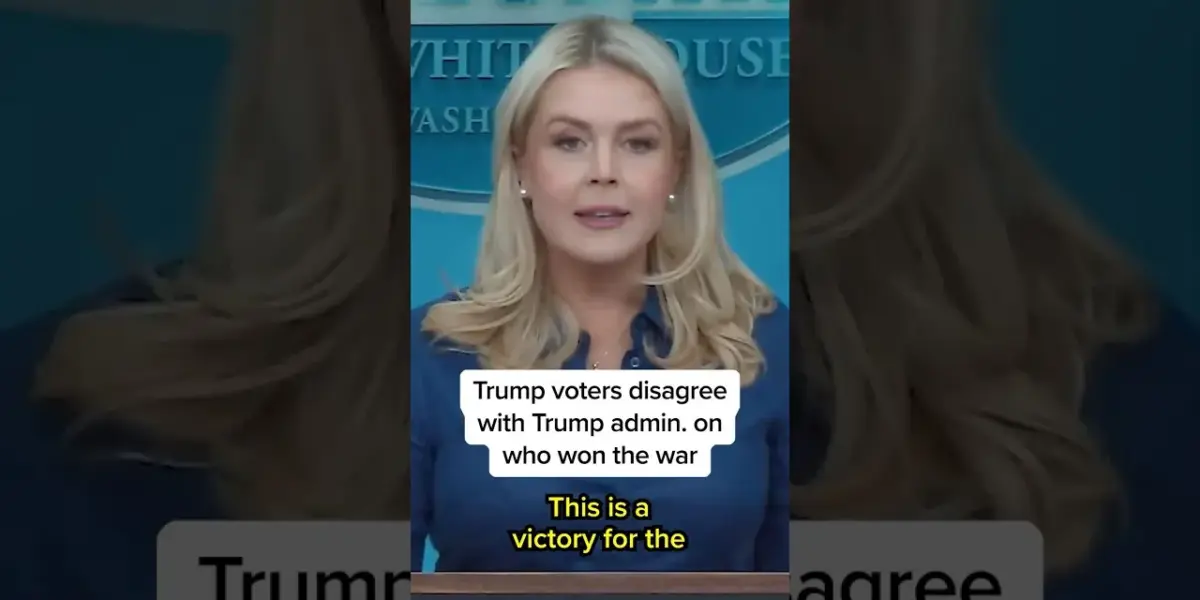
Voters Question U.S. Success in Iran Conflict
Following a two-week ceasefire agreement, the Trump administration has declared a victory for the United States in its conflict with Iran. However, when asked directly, many voters who supported Donald Trump expressed doubt about this narrative, suggesting a disconnect between official pronouncements and public perception. This raises questions about how the public understands and interprets the outcomes of foreign policy actions.
Administration Declares Victory, Public Remains Skeptical
The Trump administration has been vocal about its success in the recent conflict with Iran, pointing to a ceasefire deal as proof of American strength and strategic advantage. This official stance suggests a clear win for the U.S., aimed at strengthening confidence in the administration’s foreign policy decisions. The administration’s messaging highlights the successful negotiation of terms that ended hostilities.
Despite these strong claims from the government, a survey of Trump voters revealed a different sentiment. When posed the question, “Who do you think won this war?”, many respondents indicated uncertainty or outright disagreement with the idea of a decisive American victory. This skepticism suggests that the administration’s communication strategy may not be resonating with its core supporters.
Disconnect in Perception
The discrepancy between the administration’s declared victory and the voters’ views highlights a potential gap in how foreign policy achievements are communicated and understood. It suggests that simply announcing a win may not be enough to convince the public, especially when the details of the conflict and its resolution are complex or not fully transparent. Voters may be looking for more tangible evidence or a clearer understanding of the benefits gained from the conflict.
This situation is not uncommon in politics, where official narratives can sometimes differ from how the public experiences or perceives events. The reasons for this disconnect can be varied, including the complexity of international relations, the influence of other media sources, or a general wariness of government pronouncements. Voters may feel that the administration is spinning the outcome to its advantage rather than presenting an objective reality.
Voter Voices: Uncertainty and Nuance
Interviews with Trump voters revealed a range of opinions, but a common thread was a lack of clear conviction that the U.S. had definitively won. Some voters expressed that the situation felt more like a stalemate or a temporary pause rather than a clear-cut victory. Others questioned the long-term implications of the ceasefire, wondering if it truly resolved the underlying issues that led to the conflict.
One voter might have stated something along the lines of, “I’m not sure if anyone really won. It just stopped for now.” Another might have added, “They say we won, but I don’t feel like we got everything we wanted.” These sentiments indicate a desire for a more complete resolution or a clearer understanding of what constitutes a “win” in such complex geopolitical situations.
The Nature of Modern Warfare and Victory
Defining victory in modern conflicts, especially those involving non-state actors or complex geopolitical rivalries, is often challenging. Unlike traditional wars with clear territorial gains or surrenders, outcomes can be more ambiguous. Success might be measured by deterrence, the prevention of further escalation, or the achievement of specific, limited objectives rather than total conquest.
The conflict with Iran, for example, likely involved a mix of military posturing, economic sanctions, and diplomatic maneuvering. A ceasefire agreement, while ending hostilities, may not signify a complete triumph but rather a de-escalation that preserves certain interests or avoids greater costs. Understanding this nuance is key to interpreting the administration’s claims and the public’s reactions.
Broader Implications for Public Trust
The divergence in perception between the administration and its supporters could have broader implications for public trust and political messaging. When official accounts are met with skepticism, it can undermine confidence in government communications. For the Trump administration, maintaining credibility with its base is crucial, and a failure to align on key issues like foreign policy outcomes could present challenges.
This situation also highlights the importance of clear and consistent communication from political leaders. Voters need to feel that they are being given an honest assessment of events, not just a politically convenient narrative. Building trust requires transparency and a willingness to acknowledge the complexities and uncertainties that often accompany international conflicts.
Looking Ahead: What’s Next?
As the situation in Iran continues to evolve, the focus will likely remain on whether the ceasefire holds and what the long-term consequences of the recent conflict will be. The administration will need to work to bridge the communication gap with its supporters, providing clearer explanations for its foreign policy decisions and their outcomes. Future actions and statements regarding Iran will be closely watched by both the public and international observers.
Source: Trump voters disagree with Trump admin. on who won the war (YouTube)

Related Articles

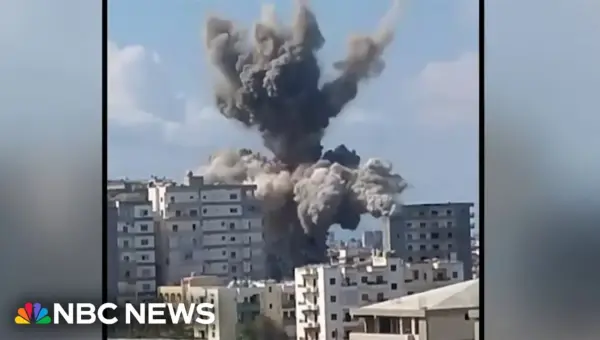
Fragile Ceasefire: Iran Strikes Spark Global Alarm
A fragile ceasefire between Iran and the U.S. is under threat as Iran continues strikes and disputes erupt over the Strait of Hormuz. Key talks are scheduled in Pakistan this weekend to address major sticking points and prevent further escalation.
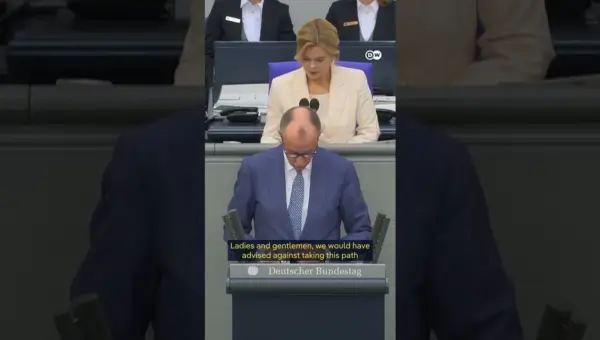
Germany’s Merz Shifts Stance on Iran Conflict
German Chancellor Friedrich Merz is now calling for a diplomatic resolution to the conflict in Iran, emphasizing negotiation to end the war. He expressed concerns about the lack of a unified international plan and the economic consequences, including rising oil prices and predicted slower growth for Germany. Merz's stance marks a shift towards prioritizing diplomacy amidst escalating regional tensions.

Ukraine Leader’s Threat Sparks Hungary Outrage
Hungary's Foreign Minister Péter Szijjártó has accused Ukrainian President Volodymyr Zelensky of threatening Prime Minister Viktor Orbán. Szijjártó called the alleged threat "scandalous" and unacceptable, linking it to claims of foreign interference in Hungary's elections. This incident further strains relations between the two nations amidst the ongoing conflict in Ukraine.