Spending Surges: February Sales Beat Expectations
Americans increased their spending at retailers in February, with sales rising 0.6%. This figure surpassed economists' predictions and showed growth across most categories, except grocery and furniture stores. This rebound is a key indicator for the overall health of the U.S. economy.


Spending Surges: February Sales Beat Expectations
American shoppers opened their wallets wider in February, reversing a recent trend of declining retail sales. The latest figures from the Commerce Department show a welcome 0.6% increase in overall retail sales for the month. This figure is a bright spot, especially when compared to the 0.4% rise economists had predicted, suggesting a stronger consumer rebound than anticipated.
This spending boost wasn’t limited to just one or two areas. Instead, sales climbed across almost every retail category.
Department stores, personal care shops, and clothing retailers saw the most significant gains. These businesses are often the first to feel the effects of changing consumer moods.
Only a couple of sectors experienced a dip in spending. Grocery stores and furniture retailers were the only categories to see a decline in sales.
This selective spending pattern might point to consumers prioritizing discretionary purchases over everyday necessities or larger home goods. It’s a nuanced picture of how people are choosing to spend their money right now.
Why This Matters
Understanding consumer spending is crucial for grasping the health of the entire U.S. Economy. Personal consumption, which includes retail sales, makes up about two-thirds of the nation’s economic activity. When Americans spend more, businesses tend to do better, hire more people, and invest in growth, which then leads to even more spending.
The February sales figures offer a positive signal for the economy’s direction. After months of sales declines, a broad-based increase suggests that consumers are feeling more confident or are perhaps eager to spend money they may have saved. This could indicate resilience in the face of economic uncertainties.
Background and Context
Retail sales are a key indicator that economists and policymakers monitor closely. They reflect consumer confidence, job market strength, and overall economic momentum. For months leading up to February, there had been a noticeable slowdown in consumer spending, leading to concerns about a potential economic downturn.
This slowdown was influenced by several factors, including persistent inflation that eroded purchasing power and higher interest rates that made borrowing more expensive. Consumers were becoming more cautious with their money, cutting back on non-essential purchases and focusing on necessities. This cautious approach was reflected in the previous three months of declining sales figures.
The rebound in February, therefore, is significant. It suggests that consumers might be adapting to the current economic conditions or that certain factors, like a strong job market or perhaps some relief in specific price categories, are allowing them to spend more freely again. It’s a sign that the economy might be more robust than some feared.
Looking Ahead
The trend in consumer spending will be closely watched in the coming months. Economists will be looking to see if this February surge is a one-time event or the start of a sustained recovery in sales. Factors like inflation rates, wage growth, and global economic stability will continue to play a role in shaping consumer behavior.
If spending continues to rise, it could support higher economic growth forecasts and potentially influence decisions made by the Federal Reserve regarding interest rates. A strong consumer is a powerful engine for the economy, and this recent uptick provides a much-needed boost of optimism. The next set of retail sales data will be critical for confirming this positive momentum.
The next monthly retail sales report is expected to be released in mid-April, offering further insight into consumer spending patterns.
Source: US Retail Sales Rose in February (YouTube)

Related Articles


Claim: US Economy Is ‘Hottest’ With ‘No Inflation’
Donald Trump recently declared the U.S. economy the "hottest in the world" with "no inflation." He cited record investments and stock market highs as proof of his administration's success. This analysis examines his claims against economic data and historical context.

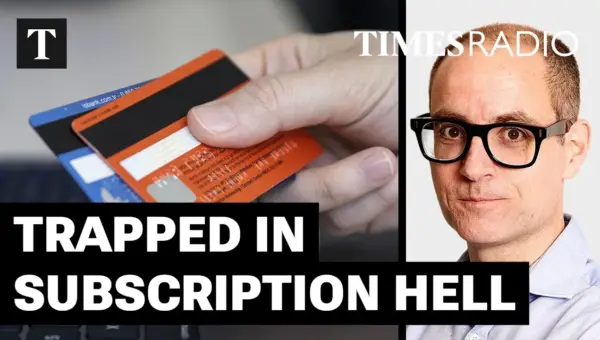
Britons Shell Out £72 Monthly for Subscriptions
Research reveals the average Briton spends £72 monthly on subscriptions, from streaming services to everyday items. Consumer expert Harry Wallop discusses the convenience and hidden costs, while listeners share their own subscription habits and occasional mishaps. The trend highlights a significant shift in how consumers manage and pay for goods and services in the digital age.

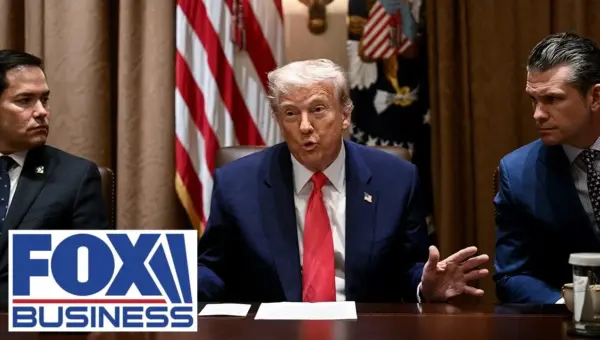
US Military Obliterates Iran’s Capabilities in 26 Days
U.S. forces have crippled Iran's military capabilities in just 26 days through Operation Epic Fury, achieving objectives weeks ahead of schedule. The operation destroyed Iran's navy, air force, and missile infrastructure, prompting diplomatic talks. Domestically, the administration highlighted economic growth, tax refunds, and efforts to lower drug prices.