Wayne State Fire: A Wake-Up Call for Campus Safety?
A significant fire at Wayne State University in Detroit has been contained, prompting a review of campus safety protocols. The incident underscores the ongoing importance of fire prevention and emergency preparedness in educational institutions.

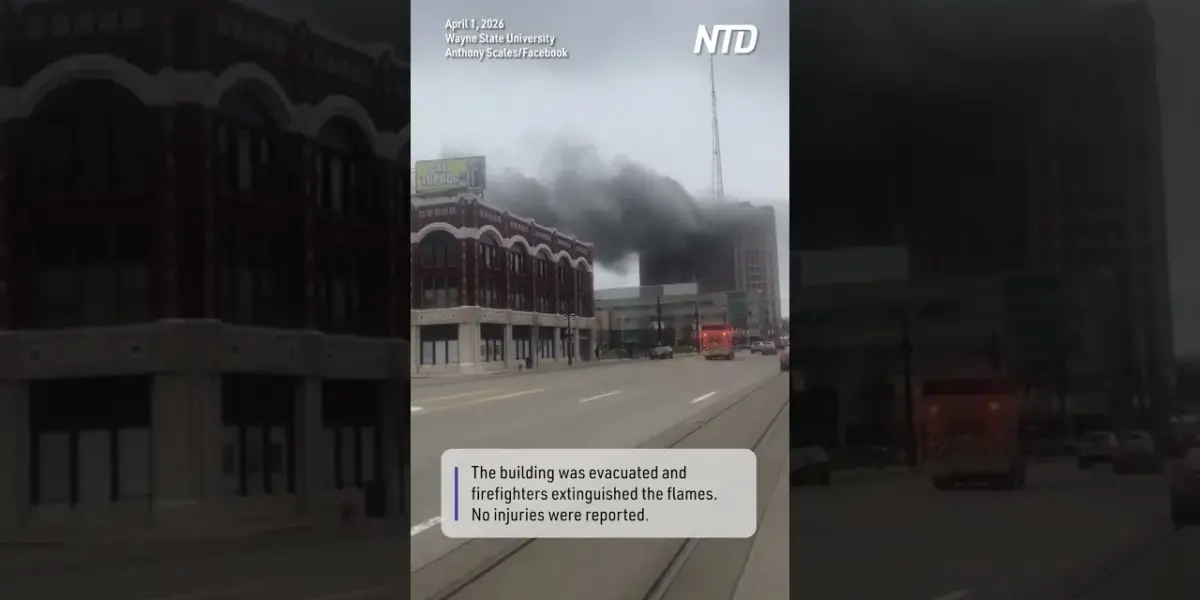
Wayne State Fire Ignites Campus Safety Concerns
A significant fire broke out at Wayne State University in Detroit on Wednesday, sending plumes of smoke into the sky and prompting a large response from fire crews. The blaze, which affected a building on campus, was eventually contained by firefighters. While the immediate danger has passed, the incident raises important questions about safety protocols and preparedness on university grounds.
Details about the exact cause of the fire and the extent of the damage are still emerging. University officials and fire investigators are working to determine what led to the incident. The focus now is on ensuring the safety of students, faculty, and staff, and assessing the impact on campus operations.
Campus Fires: A Recurring Issue?
Fires on college campuses are not an everyday occurrence, but they do happen and can have serious consequences. These incidents can range from small dormitory fires caused by unattended cooking to larger blazes that can damage or destroy buildings. The unique environment of a university, with a high concentration of people and often older infrastructure, can present specific challenges for fire prevention and response.
Historically, university campuses have faced fire risks from various sources, including student living quarters, laboratories with experimental equipment, and aging electrical systems. Fire safety education and strict adherence to building codes are crucial for mitigating these risks. However, even with the best precautions, the possibility of fire remains a concern for any institution with a large physical footprint and a dense population.
The Wayne State Incident: What We Know
The fire at Wayne State University was significant enough to require a substantial fire department presence. Reports indicate that fire crews worked to contain the large blaze.
Fortunately, the situation was brought under control, preventing further spread and potential escalation. The prompt action of emergency responders was critical in managing the incident.
The immediate aftermath of the fire involves assessing the damage and ensuring the building is safe for re-entry, if possible. Investigations into the cause will likely be thorough, seeking to prevent similar events in the future. This includes reviewing existing safety measures and identifying any potential vulnerabilities.
Why This Matters
The Wayne State fire is a clear reminder that safety on college campuses must be a top priority. Universities are complex environments with many potential hazards. Ensuring that fire safety systems are up-to-date, evacuation plans are clear and practiced, and that students and staff are educated on fire prevention is essential.
This incident highlights the importance of robust emergency preparedness. It is not just about having fire extinguishers; it is about having comprehensive plans for various emergencies, regular drills, and clear communication channels. The well-being of the entire campus community depends on these measures being in place and effective.
Implications and Future Outlook
Following this fire, Wayne State University will undoubtedly review its safety protocols. This could lead to increased fire safety training, updated equipment, or even structural improvements to buildings. Other universities may also take note, using this incident as an opportunity to re-evaluate their own safety procedures.
The long-term impact will depend on the extent of the damage and the findings of the investigation. However, the focus on campus safety is likely to intensify. Universities must balance the need for accessible and vibrant campus life with the imperative to protect their students and staff from harm.
The trend in higher education is towards creating safer and more secure environments. This includes everything from cybersecurity to physical safety. Fires, though less frequent than other security concerns, represent a critical physical threat that requires constant vigilance and investment in safety infrastructure.
Looking ahead, universities will likely continue to invest in modern fire detection and suppression systems. They will also focus on educating their communities about fire safety. The goal is to create a campus culture where safety is a shared responsibility, from the smallest dorm room to the largest lecture hall.
The investigation into the Wayne State fire is ongoing. University officials are expected to release more information as it becomes available.
Source: Large Fire Breaks Out in Building at Michigan’s Wayne State University (YouTube)

Related Articles

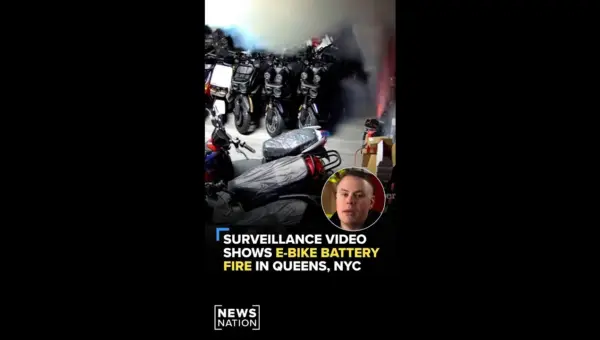
E-Bike Fires Spark New Safety Rules Debate
A recent surveillance video shows a dangerous e-bike battery fire in New York City, highlighting the risks associated with lithium-ion batteries. The incident brings to light concerns about incompatible chargers and battery quality, sparking debate over new safety regulations for the rapidly growing e-bike market.


The Hidden Danger: Exploding E-bike Batteries Pose a Growing Threat
Exploding e-bike batteries, fueled by the high energy density of lithium-ion technology and often compromised quality control in cheaper models, are causing a growing number of devastating fires. These incidents, leading to property destruction and fatalities, are often downplayed, leaving consumers unaware of the significant risks.


Trump Eyes 2-3 More Weeks for Iran War
President Trump indicated that the military conflict with Iran could conclude in the next two to three weeks, during a prime-time address. The speech primarily recapped existing administration statements, with no major new announcements. Trump also addressed the economic impact of the war on U.S. gas prices and reiterated calls for allies to assist with the Strait of Hormuz.