Artemis Rocket Achieves Space, Crew Begins Journey to Moon
NASA's Artemis mission has successfully launched, sending the Orion capsule and its crew toward the Moon after a clean separation of the rocket's core stage. The mission marks a significant step in humanity's return to deep space exploration. The Orion capsule will now orbit Earth to test its systems before heading to lunar orbit.

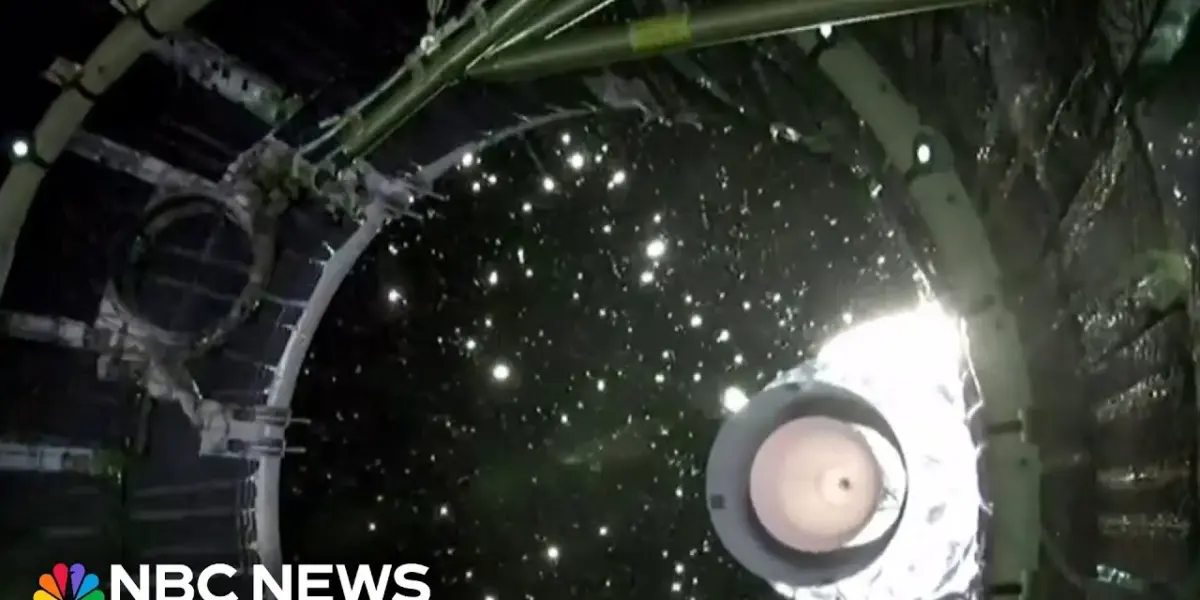
Artemis Rocket Launches, Crew Safely Reaches Space
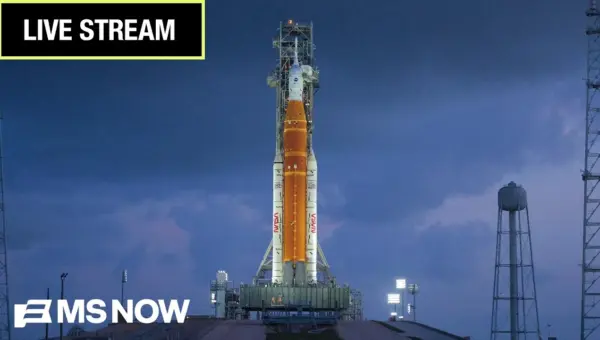
NASA’s Artemis mission has successfully launched, sending its crewed Orion capsule and powerful Space Launch System (SLS) rocket toward the Moon. The critical core stage separation occurred smoothly, marking a major milestone for the program. This event places the astronauts on a trajectory for their lunar journey, a significant step in humanity’s return to deep space exploration.
The launch took place from Kennedy Space Center in Florida, with the SLS rocket’s main engines firing to lift the massive vehicle off the launchpad. Following liftoff, the rocket’s solid rocket boosters (SRBs) performed as expected and detached, falling into the Atlantic Ocean. This is a standard procedure designed to shed weight as the rocket ascends.
Core Stage Separation: A Key Moment
A key moment in the ascent was the separation of the rocket’s core stage. This large section, containing the primary fuel tanks and engines, completed its mission after the main engines cut off.
Observers noted the separation appeared flawless, a critical step for the mission’s success. The successful detachment ensures the Orion spacecraft can continue its journey unimpeded.
The core stage, having expended its fuel, also fell into the Atlantic Ocean. Unlike some modern reusable rockets that are designed to land and be recovered, these components are expendable. This approach harkens back to earlier space programs like Apollo, where stages were designed for a single use.
Orion Capsule Continues to Space
Following the core stage separation, the Orion capsule, along with its service module, continued its journey. This module houses the systems needed for propulsion and life support during the mission. The successful separation means the crew is now safely on their way, with their sights set on lunar orbit.
The mission plan includes orbiting the Earth multiple times before heading to the Moon. This allows flight controllers to verify that all systems on the Orion capsule are functioning correctly. It’s a crucial check to ensure the spacecraft is ready for the much longer and more demanding transit to the Moon and back.
Artemis Program: A New Era of Exploration
The Artemis program represents NASA’s ambitious plan to establish a long-term human presence on the Moon. It aims to land the first woman and the first person of color on the lunar surface. The program is also designed to serve as a stepping stone for future missions to Mars.
This mission, Artemis I, is an uncrewed test flight of the Orion spacecraft and SLS rocket. However, subsequent missions, like Artemis II, will carry astronauts. The success of this launch and the smooth separation of the core stage are vital indicators for the future of these crewed missions.
Looking Ahead
With the core stage successfully separated and the Orion capsule now in space, the Artemis mission progresses towards its lunar objectives. The next key phases will involve the spacecraft’s journey to the Moon, its orbital operations, and the eventual return to Earth. All eyes will be on the performance of the Orion capsule and its systems as it undertakes this historic voyage.
Source: Rocket's core stage separates, Artemis crew now in space (YouTube)

Related Articles

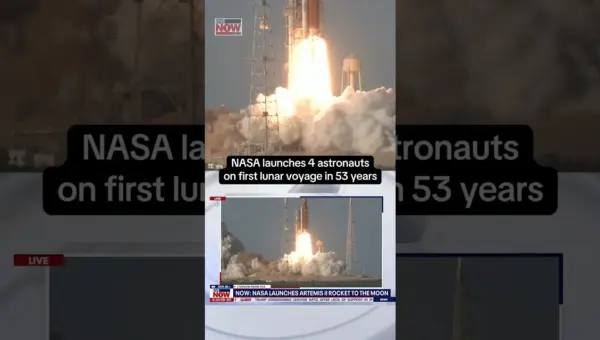
Artemis II Launches: Crew Heads to Moon on Historic Voyage
NASA's Artemis II mission has successfully launched, sending four astronauts on a groundbreaking voyage around the Moon. The powerful Space Launch System rocket ignited its engines precisely at liftoff, carrying the Orion spacecraft and its crew into space. This historic launch marks humanity's first crewed journey beyond Earth's orbit in over fifty years, signaling a new era of lunar exploration.
Artemis II Crew Embarks on Historic Moon Mission for Humanity
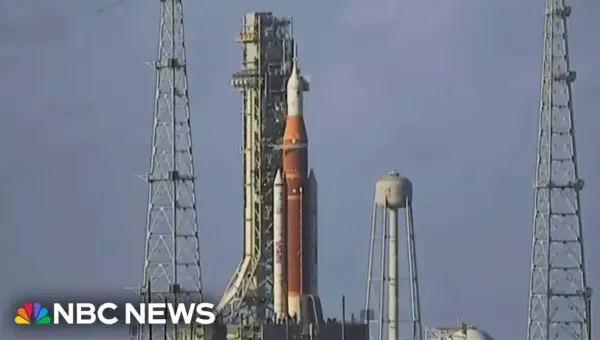
The Artemis II crew has launched on a historic mission around the Moon, carrying the hopes of humanity. Astronauts Reid Wiseman, Victor Glover, Christina Koch, and Jeremy Hansen embarked on the journey after a flawless countdown and final "GO" from mission control. Their powerful statement, "We are going for all humanity," underscores the global significance of this endeavor.
Artemis II Launch: Crew Aims for Moon Orbit
NASA's Artemis II mission has launched from Kennedy Space Center, sending four astronauts on a ten-day journey around the Moon. This historic flight tests critical systems of the Orion spacecraft and marks a significant step toward returning humans to the lunar surface. The mission is a vital precursor to future landings and potential Mars missions.