Reusable Rockets Slash Space Costs, Spark New Era
Reusable rocket technology is transforming U.S. space exploration by drastically cutting costs. Unlike old rockets used only once, new designs can land and be flown again, making space more accessible. This shift is fueling innovation and opening doors for more frequent and ambitious missions.


Space Exploration Revolutionized by Reusable Rockets
America’s approach to space travel is undergoing a major shift, thanks to new reusable rocket technology. This innovation is dramatically cutting the cost of sending payloads and people into orbit.
Companies are now building rockets that can fly, land, and be used again, much like an airplane. This is a massive change from the past, when rockets were used only once and then discarded.
From Expendable Giants to Reusable Workhorses
For decades, rockets were single-use machines. The mighty Saturn V, which powered the Apollo missions to the moon, was a prime example. It was an incredible feat of engineering, but most of its massive structure was discarded after each launch.
Only a small section, about the size of a small car, carried the astronauts and their equipment into space. The rest of the rocket simply fell back to Earth or burned up in the atmosphere, never to be used again.
Imagine building a car, driving it once, and then throwing it away. That’s essentially how early space launches worked.
The cost of building these giant rockets was immense, and using them only once made space exploration very expensive. This limited how often we could launch missions and what we could afford to send into space.
The Birth of Reusability
The concept of reusable rockets began to gain serious traction with companies like SpaceX. Their Falcon 9 rocket is a prime example of this new approach. After launching its payload into space, the rocket’s first stage performs a series of maneuvers to return to Earth.
It can then land vertically, either on a landing pad or a drone ship at sea. This allows the expensive hardware to be refurbished and used for future missions.
This ability to reuse rocket stages is a significant development. It drastically reduces the cost per launch.
Instead of building a brand-new rocket for every mission, companies can now fly the same rocket multiple times. This is similar to how airlines reuse their planes for countless flights, making air travel affordable for millions.
Impact on the Space Industry
The economic benefits of reusable rockets are profound. They make space more accessible for a wider range of customers.
This includes satellite companies, scientific researchers, and even private individuals interested in space tourism. Lower launch costs mean more satellites can be deployed, supporting everything from global communication to weather forecasting and Earth observation.
This technological leap is encouraging innovation across the entire space sector. Companies are developing new types of payloads and services, knowing that launch costs are becoming more predictable and affordable. This is speeding up the pace of discovery and commercial activity in space.
Challenges and Future Prospects
While reusable rocket technology has made great strides, challenges remain. Ensuring the reliability and safety of reused components is paramount.
Each component must be meticulously inspected and refurbished after every flight to guarantee mission success. Developing efficient processes for rapid turnaround is also key to maximizing the economic benefits.
Looking ahead, the trend towards reusability is set to continue. More companies are investing in this technology, and advancements are expected to further reduce costs.
We may soon see even more ambitious space missions become feasible, from regular trips to the International Space Station to eventual journeys to Mars. The groundwork is being laid for a future where space access is routine and affordable.
Source: How reusable rocket tech is changing in the U.S. (YouTube)

Related Articles

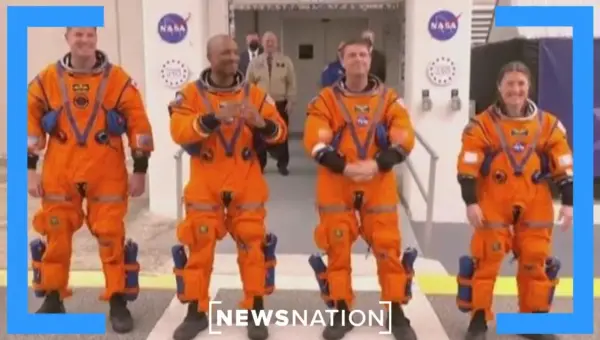
Artemis II Crew Blasts Off: A Giant Leap for Mars Dreams
The Artemis II mission has launched, sending four astronauts on a 10-day journey around the Moon. This historic flight is a critical test for future Mars exploration and aims to establish a long-term lunar presence. The crew, including the first African American and Canadian to orbit the Moon, faces challenges like extreme re-entry temperatures. Success here paves the way for landing humans on the Moon and eventually reaching Mars.

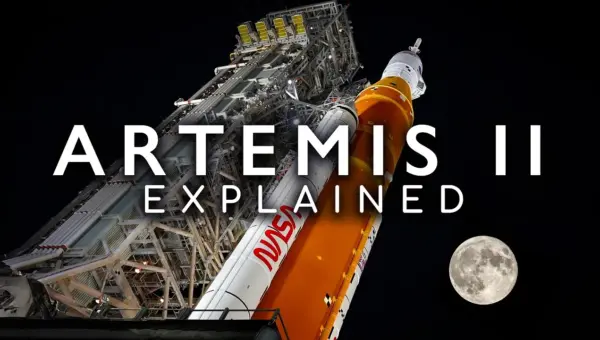
Artemis II Launch Delayed, Moon Landing Shifts to 2028
NASA's Artemis II mission, intended to send astronauts around the Moon, has been delayed to September 2025 due to technical issues with the SLS rocket. The program's first lunar landing, Artemis III, has been redefined as an Earth-orbit test, pushing the actual Moon landing to no earlier than 2026. Future missions targeting the lunar South Pole are now set for 2028.


Artemis II Astronauts Train for Risky Lunar Mission
The Artemis II crew is undergoing intensive training for their upcoming lunar fly-around mission. Astronauts are preparing for every possible scenario in space, a dangerous environment where system failures can occur. Ground crews will provide constant support, monitoring the spacecraft and communicating with the crew throughout the historic journey.