Germany Caps Gas Price Hikes Amid Public Outcry
Germany has limited gasoline price increases to once per day, responding to public frustration over soaring fuel costs. The move aims to provide more stability for consumers, many of whom rely on vehicles for work and daily life. This change also highlights growing calls for a quicker shift to alternative energy sources.


Germany Limits Gas Price Increases
Germany has taken a significant step to curb soaring fuel costs by limiting gasoline price increases to once per day. This new regulation, aimed at protecting consumers from rapid and arbitrary price hikes, comes after widespread public frustration over the rising cost of filling up vehicles. The government hopes this measure will bring more stability and predictability to the fuel market.
The decision reflects growing concern over the financial strain on everyday citizens and businesses. Many rely on personal vehicles for work and daily life, making fuel costs a critical household expense. The move signals a government response to these pressing economic challenges.
Public Frustration Over Fuel Costs
Before the new regulation, gas stations could change prices multiple times a day, leading to unpredictable costs for drivers. This practice fueled anger, with many feeling that refineries were unfairly profiting at their expense. “They arbitrarily increase prices as much as they need to fill their own pockets,” one concerned citizen expressed, highlighting a widespread sentiment of distrust.
The impact is particularly severe for those who depend heavily on their vehicles. Individuals with mobility issues, like the person who stated, “I have to drive because I have a physical disability. I can’t walk far.
So, I have to drive,” face significant challenges. Taxi drivers also voiced concerns, noting that higher fuel prices directly affect their ability to earn a living. “Otherwise, I won’t have any bread anymore,” one taxi driver explained.
Shifting Consumer Behavior
The high cost of fuel has already prompted changes in how people travel. Some individuals have proactively reduced their driving. “I had already started driving less before, and it pays off today,” one person shared, indicating a successful adjustment to higher prices.
This shift in behavior is noticeable, with reports of canceled trips and drivers splitting fuel costs. “Journeys are being canceled here. Fuel money is being shared,” an observation from the ground suggests.
Those who must commute long distances for work are facing the toughest times. The advice for those who can is to consider alternative transportation methods.
Calls for Alternative Energy Sources
The current situation has amplified calls for a faster transition to alternative energy sources. Many recognize that energy costs are inherently volatile and heavily influenced by global events. “I wish we could switch to alternatives more quickly,” expressed a sentiment reflecting a broader desire for energy independence and stability.
The reliance on fossil fuels leaves consumers vulnerable to market fluctuations. This dependency highlights the urgency of investing in and adopting cleaner, more sustainable energy options. The hope is that diversifying energy sources will lead to more stable and affordable options in the long run.
Looking Ahead
Germany’s decision to cap daily gas price increases is a direct response to public pressure and economic realities. The effectiveness of this measure will be closely watched, as will the broader implications for the energy market and consumer behavior.
As the country continues to navigate these energy challenges, the focus remains on finding sustainable solutions that balance economic needs with environmental concerns. The ongoing discussion about alternative energy will likely intensify in the coming months.
Source: Germany limits gas price hikes to once per day | DW News (YouTube)

Related Articles


Germany Warns Israel: Death Penalty Law Violates Human Rights
Germany has strongly condemned Israel's new death penalty law, stating it violates human rights and the rule of law. The law, which appears to apply only to Palestinians killing Israelis, is seen as discriminatory. Germany, alongside allies like France and the UK, is urging Israel to reconsider this policy.


Actress Wears Bulletproof Vest Amid Death Threats Over Deep Fakes
German actress Collien Fernandes is now wearing a bulletproof vest and has security due to death threats received after accusing her ex-husband of creating deep fake pornography. Her public appearance at a protest highlights the dangers victims face and calls for better online protection. The case also brings attention to Germany's legal struggles with addressing deep fake abuse.

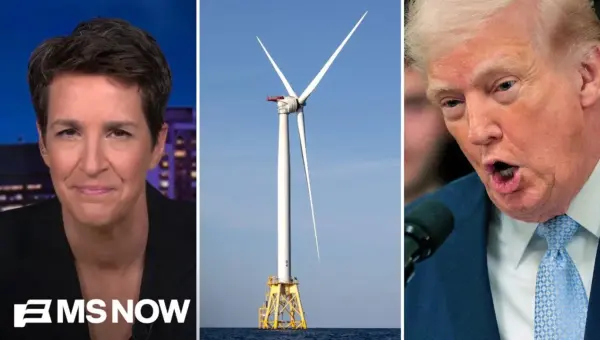
Trump Deal Pays $1 Billion to Halt Wind Projects
The Revolution Wind Farm is now operational, powering homes and promising cost savings. However, controversy surrounds a reported $1 billion taxpayer deal made by Donald Trump to cancel two other wind farm projects. This decision raises questions about energy policy and the use of public funds.