Justices Skeptical of Trump Bid to End Birthright Citizenship
The Supreme Court heard arguments on President Trump's bid to end birthright citizenship for children of undocumented immigrants. Justices expressed skepticism about the president's power to make such a change, questioning its broad impact on the 14th Amendment. The court's decision could redefine who is considered an American.

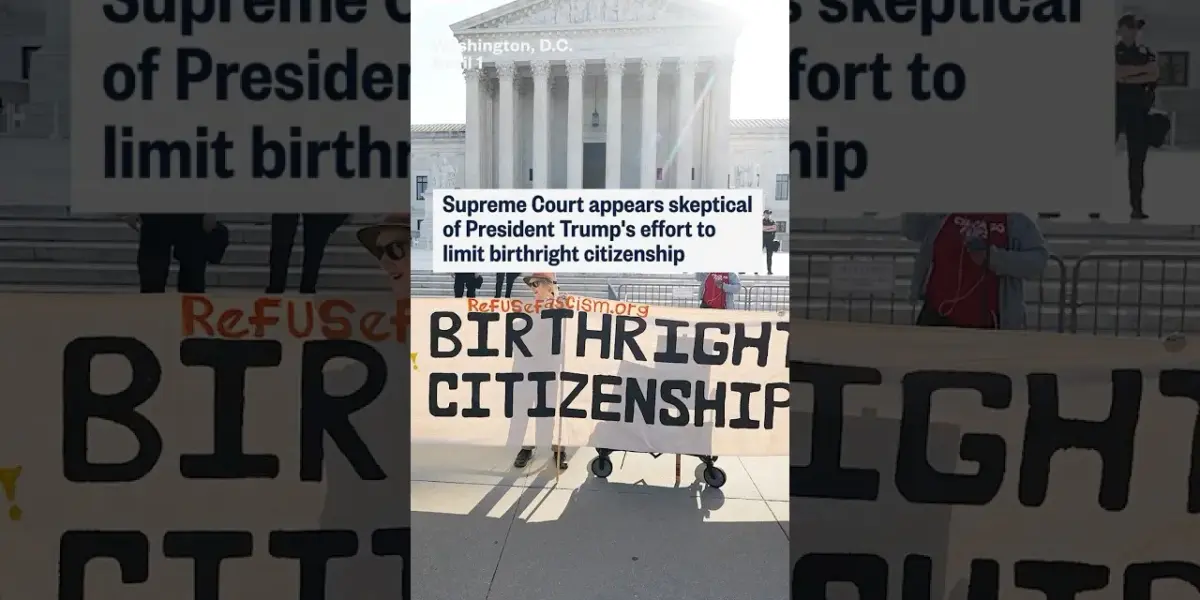
Justices Doubt Trump’s Power to Curb Birthright Citizenship
The Supreme Court is examining President Trump’s attempt to end birthright citizenship, with justices expressing doubt about his authority to make such a sweeping change. Oral arguments concluded this week, leaving the court to decide if the president can limit a right that has long been a core part of American identity.
The case centers on whether President Trump can legally restrict citizenship for children born in the U.S. To parents who are not U.S. Citizens or legal residents. This move would fundamentally alter the understanding of the 14th Amendment, which has historically guaranteed citizenship to nearly everyone born on American soil.
Understanding Birthright Citizenship
Birthright citizenship, also known as jus soli, is the principle that anyone born within a country’s borders is automatically granted citizenship. This concept is enshrined in the 14th Amendment of the U.S. Constitution, ratified after the Civil War.
The amendment states that “All persons born or naturalized in the United States, and subject to the jurisdiction thereof, are citizens of the United States and of the State wherein they reside.” This has been widely interpreted to mean that nearly every child born in America is a citizen.
Current Exceptions
There are very few exceptions to this rule under current law. The primary exception applies to children born to foreign diplomats who are in the U.S. On official government business. Their children are generally not granted U.S. Citizenship because their parents are considered to be under the jurisdiction of their home countries, not the U.S.
This long-standing interpretation means that children of foreign dignitaries working for their home country are not eligible for birthright citizenship. The legal framework has remained consistent for generations, with courts upholding this understanding.
Trump’s Proposed Change
President Trump’s administration sought to expand this exception significantly. The proposal aimed to deny citizenship to babies born in the U.S. To parents who are in the country unlawfully or are in the U.S. On temporary visas.
This would mean that children born to parents without legal status, or those on certain non-immigrant visas, would not automatically receive citizenship. The administration’s plan did not target individuals with green cards, who are legal permanent residents.
Concerns Raised in Court
During oral arguments, several Supreme Court justices appeared hesitant about the president’s power to enact such a change through executive action. They questioned the broad scope of the proposed policy and its potential to redefine who is considered an American.
Justices raised concerns about whether the president has the authority to unilaterally alter the interpretation of a constitutional amendment. The sweeping nature of the proposed change, and its potential to impact millions, seemed to trouble the court.
Legal and Constitutional Questions
The core of the legal debate revolves around the meaning of “subject to the jurisdiction thereof” in the 14th Amendment. The Trump administration argued this phrase could be interpreted to exclude those not residing legally in the U.S.
However, legal scholars and opponents of the policy argue that this interpretation is a radical departure from established legal understanding. They contend that being born on U.S. Soil inherently places a person under the nation’s jurisdiction, regardless of their parents’ immigration status.
Broader Implications
If the Supreme Court were to uphold the president’s attempt to limit birthright citizenship, it would represent a dramatic shift in U.S. Immigration and nationality law. It could lead to a class of people born in the U.S. Who are stateless or whose citizenship status is uncertain.
Such a ruling could also create significant administrative challenges and potentially lead to widespread legal battles over citizenship for those affected. The decision will have lasting effects on the definition of American identity and the rights of individuals born within the nation’s borders.
What’s Next
The Supreme Court is expected to issue its ruling in this critical case by the end of its term in late June or early July. The outcome will clarify the scope of presidential authority and the enduring meaning of birthright citizenship in America.
Source: Supreme Court appears skeptical of President Trump's effort to limit birthright citizenship (YouTube)

Related Articles
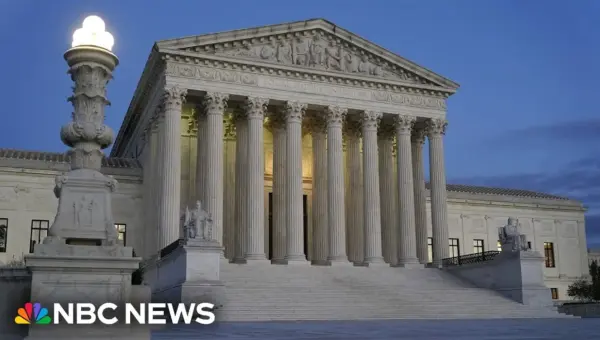
Supreme Court Weighs Birthright Citizenship in Key Case
The Supreme Court heard arguments on birthright citizenship, focusing on the 14th Amendment's Citizenship Clause. The government argued that citizenship requires not just birth in the U.S. but also a lawful domicile and allegiance to the country. Justices questioned the historical interpretation and the implications for modern immigration.

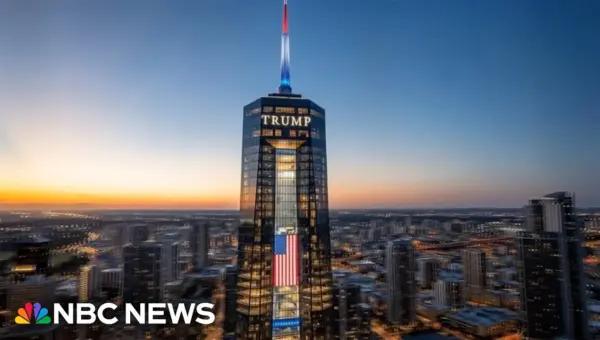
Trump Library Design Sparks Miami Debate: Grand Vision or Gross Obstruction?
A proposed design for the Donald J. Trump Presidential Library in Miami has ignited debate, with critics calling the architecture "gross" and an "obstruction." The project also faces opposition over a potential land donation from Miami-Dade College, which supporters argue will bring educational benefits, while detractors call it a "travesty." Political backing exists, but community leaders are questioning the land deal's fairness and the library's true purpose.

Trump: Iran Exit Will Trigger Fast Gas Price Drop
Former President Donald Trump believes that withdrawing U.S. involvement from Iran will cause gas prices to fall rapidly. He stated that this action would ease pressure on global energy markets, impacting fuel costs for Americans. The comments come as gas prices have risen above $4 per gallon due to supply disruptions.