Iran War Escalates as US Alliances Fray
Escalating conflict in Iran and shifting global alliances mark a critical juncture. As the US faces declining influence, Iran asserts control over key waterways, while Ukraine offers security aid to Middle Eastern nations. This analysis explores the complex geopolitical landscape, the impact of political rhetoric, and a call for renewed focus on basic humanity amid global instability.

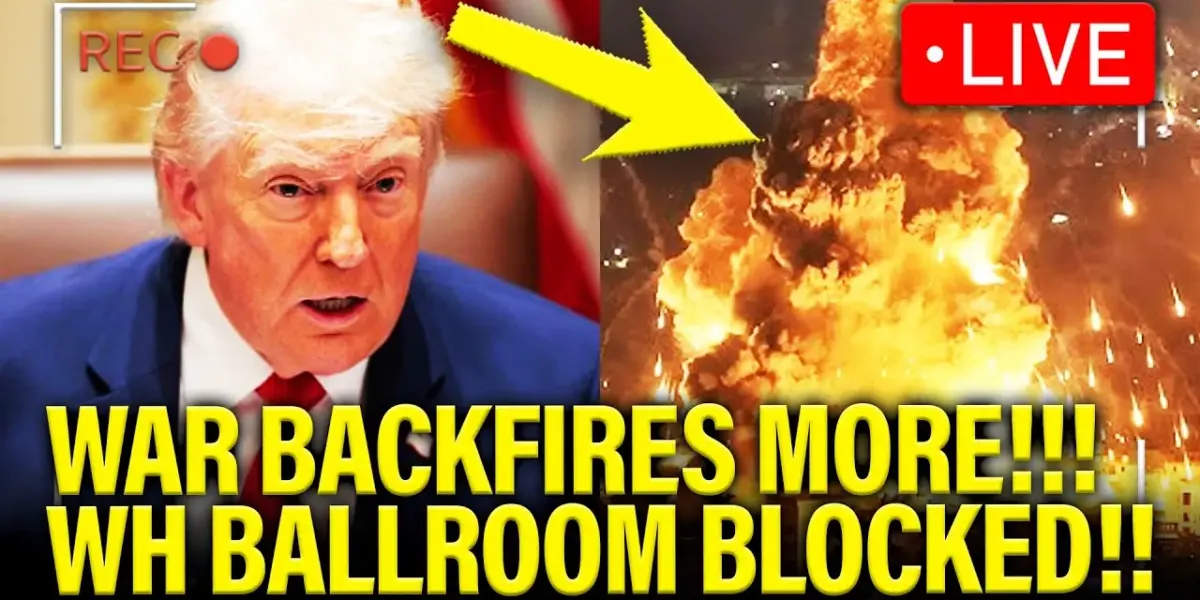
Iran War Escalates as US Alliances Fray
The situation in Iran is intensifying, with reports of escalating conflict and shifting global alliances. While official statements suggest productive negotiations, ground realities paint a different picture.
Iran’s parliament has approved a law to implement a toll system in the Strait of Hormuz, a critical waterway. Simultaneously, widespread protests, framed as a “night of defiance,” are being broadcast across Iran, signaling strong public support for the current regime.
This display of unity is being countered by claims from the Trump administration of Iran’s complete obliteration and a desperate desire for a deal. However, Iran’s continued control over the Strait of Hormuz and its strikes on neighboring Arab nations with American interests contradict these narratives. The large public gatherings also suggest a strong internal base, not the widespread dissent often portrayed.
Iran’s Demands for Peace
Iran’s foreign ministry spokesperson has clearly stated their non-negotiable terms for any peace agreement. These include maintaining ballistic missiles and drones, securing long-term guarantees for allies like the Houthis and Hezbollah, receiving full reparations, and the withdrawal of American military bases from the Middle East. Only after these demands are met would Iran consider entering into a sustainable peace agreement.
The Trump administration appears to be using media leaks to influence market sentiment, a tactic that has replaced less effective social media posts. By selectively releasing statements, such as Iran seeking peace, without the full context of their demands, they aim to create a positive market reaction. This creates a distorted view of the ongoing negotiations and the true situation on the ground.
Regional Power Shifts and New Security Deals
Iran’s control over the Strait of Hormuz is evident as they allow passage for vessels from China, India, and Pakistan, largely disregarding the United States. They have also made it clear that unauthorized passage will be met with forceful action. Recent strikes on Kuwaiti and Emirati targets, along with continued attacks on American interests in Iraq, highlight Iran’s assertive stance.
A notable absence of Iranian strikes in Qatar suggests a potential private deal between Qatar and Iran. This, along with similar individual agreements made by India and other nations, indicates a move away from a singular US security umbrella. A new regional security structure appears to be forming, with countries making their own arrangements.
Ukraine Steps In Amidst US Decline
In a surprising turn, Ukraine is stepping up to offer security assistance to Middle Eastern nations. President Zelensky has met with leaders from Saudi Arabia, Qatar, and the UAE, signing long-term security deals. Ukraine will provide interceptor drones and technology to help these nations counter Iranian drones and ballistic missiles, leveraging their own combat experience.
This development is particularly ironic as Donald Trump continues to criticize Zelensky and support Russia. The US, once a global security guarantor, appears to be weakening its influence, leading allies to seek alternative partnerships.
The narrative of a declining US global role is further emphasized by European nations restricting American military access. Spain, France, Italy, and Switzerland have all denied the use of their airspace to US military flights. This is a significant shift, as these countries were once key allies allowing broad military operations.
Historical Echoes and Shifting Global Dynamics
The current geopolitical climate draws parallels to historical events, like the Cuban Missile Crisis, where global superpowers engaged in tense standoffs. However, the current situation feels like a sped-up version, with long-standing international norms being rapidly dismantled. The US’s aggressive stance, particularly its pressure on countries like Mexico and Colombia regarding Cuba, contrasts sharply with its tolerance for Russian oil shipments to the island.
Russia’s ability to circumvent US sanctions and provide oil to Cuba, while the US simultaneously threatens allies, positions Russia as a more reliable partner in certain regions. This undermines US credibility and creates opportunities for rivals to expand their influence. The perception is that the US is alienating allies while its adversaries are strengthening their positions.
Domestic Issues and Political Hypocrisy
Beyond foreign policy, the domestic political scene is also under scrutiny. A federal judge has blocked Trump’s $400 million ballroom project, ruling that Congress must authorize such funding. This ruling highlights the checks and balances within the US system, emphasizing that private funds cannot bypass legislative approval for major public projects.
The piece also touches on political hypocrisy, particularly concerning personal lives and public stances. It criticizes figures who publicly condemn certain lifestyles while allegedly engaging in similar private behaviors. The argument is for people to focus on their own lives and not impose their judgments on others, especially marginalized communities.
A Call for Basic Humanity
The analysis returns to the human cost of conflict, criticizing the “gamification” of war and the lack of empathy for civilian casualties. The incident involving dozens of children killed in what may have been an AI-misidentified target is a clear reminder of the devastating consequences of war. The speaker calls for a focus on basic humanity, recognizing the shared value of all lives, regardless of nationality or location.
The current political discourse, characterized by aggressive rhetoric and a disregard for established international norms, is seen as detrimental. The speaker contrasts this with a vision of diplomacy and understanding, advocating for empathy and a commitment to human dignity. The goal is to foster a more compassionate approach to global challenges, starting with recognizing the humanity in everyone.
Recent polling data shows a significant decline in Republican identification, with numbers dipping below 40%. This suggests a shrinking base for the party and potentially a weakening of support for its current leadership. As political landscapes shift, these numbers could indicate a broader change in voter allegiance.
The article concludes by urging a return to fundamental human values and a rejection of divisive politics. It emphasizes that true leadership involves empathy and a commitment to the well-being of all people, advocating for a more humane approach to both domestic and international affairs.
Source: LIVE: Ben Meiselas RESPONDS to BREAKING NEWS!! 3/31/2026 (YouTube)

Related Articles
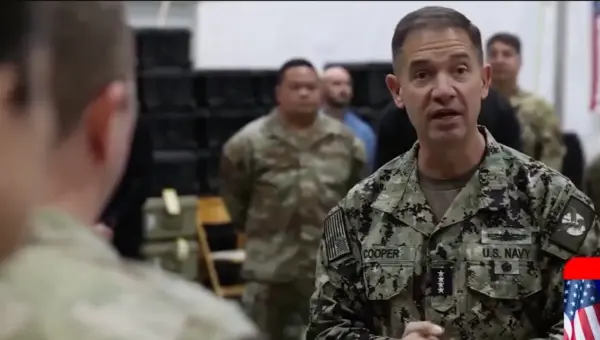
US Military Crushes Iran’s Global Power Projection
The US military has significantly weakened Iran's global power projection capabilities through Operation Epic Fury. Admiral Brad Cooper reported major successes in dismantling Iran's drone, missile, and naval forces, while maintaining vigilance.


Trump’s Iran Gambit: A Risky Bet for Global Oil Prices
Donald Trump's potential withdrawal from the Iran conflict could destabilize global oil prices. Leaving allies to manage the Strait of Hormuz risks empowering Iran to control energy markets. This move could lead to significant economic pain worldwide.


Ukraine War: US Denies Deal Over Donbas Withdrawal
The United States has denied Ukrainian President Zelenskyy's claim that the U.S. demanded Ukraine withdraw forces from Donbas for security guarantees. U.S. officials stated guarantees would only take effect after the war ends. The funding for abducted children's rehabilitation also continues.