AI Mistake Lands Grandmother in Jail; Demands Justice
A Tennessee grandmother was wrongly arrested and jailed for months after artificial intelligence software falsely identified her in a bank fraud case. Angela Lips maintained her innocence, and evidence eventually proved she was in Tennessee when the crimes occurred in North Dakota. The incident raises serious questions about the reliability of AI in law enforcement.

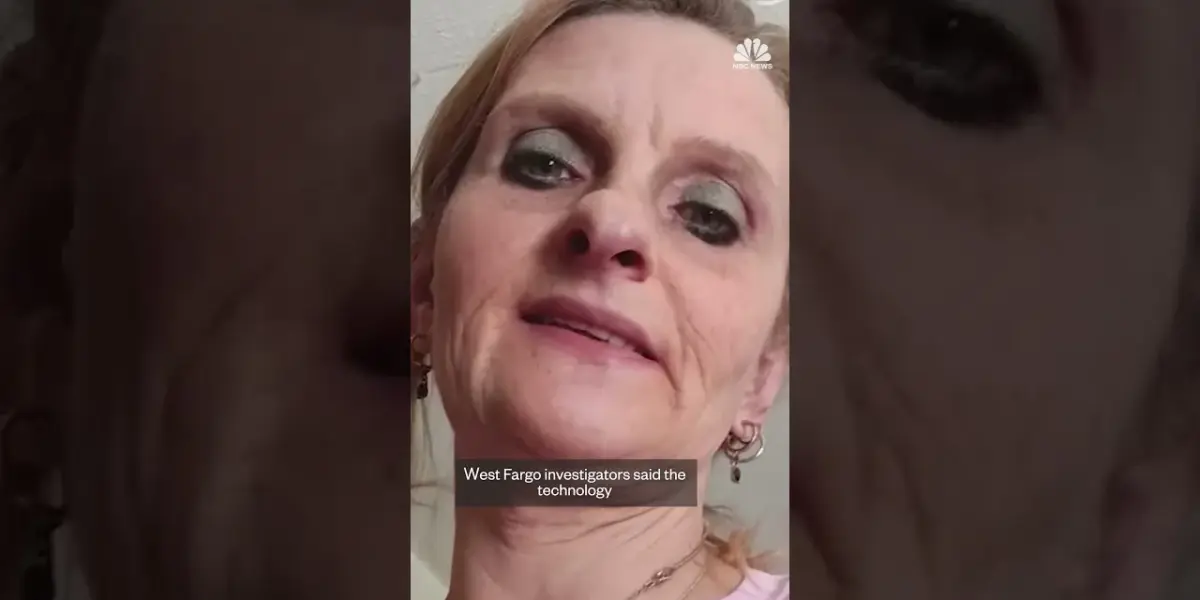
Grandmother Wrongfully Jailed After AI Error
A Tennessee grandmother is fighting for justice after spending months behind bars due to a faulty artificial intelligence facial recognition match. Angela Lips, 50, claims she was wrongly arrested based on AI software that falsely linked her to a series of bank fraud crimes. The incident highlights growing concerns about the reliability and accuracy of AI tools used in law enforcement.
Lips was reportedly babysitting in Elizabethton, Tennessee, last July when federal agents arrived and took her into custody. At the time, she had no idea why she was being arrested or the serious charges she would face. The arrest stemmed from an investigation into bank fraud incidents occurring over a thousand miles away in Fargo and West Fargo, North Dakota.
The AI Investigation and False Lead
Police in Fargo and West Fargo were investigating multiple bank fraud cases. They reported that a suspect in these crimes had been using a fake military ID to withdraw significant amounts of money from various banks. To aid their investigation, law enforcement utilized Clearview AI, a facial recognition software known for its extensive database of images.
Investigators stated that Clearview AI identified a potential suspect based on the images gathered. The software indicated that this person had similar features to Angela Lips. This AI-generated lead became the basis for the arrest of a grandmother who maintains she has never set foot in North Dakota.
Months in Jail and Exoneration
Despite her claims of innocence and her location in Tennessee, Lips was arrested and held in jail for months. The legal process moved forward based on the AI’s findings, leaving her separated from her family and facing serious federal charges. Her situation highlights the profound impact such technology can have on individuals’ lives when it produces inaccurate results.
Eventually, an attorney working on Lips’s behalf was able to gather evidence to prove her innocence. Bank records and other documentation confirmed that Lips was in Tennessee during the entire period the alleged crimes occurred in North Dakota. This crucial evidence led to the dismissal of all charges against her.
Broader Implications of AI in Law Enforcement
Angela Lips’s case is not an isolated incident and brings to light the ongoing debate about using AI in the criminal justice system. Facial recognition technology, while powerful, has repeatedly shown biases and inaccuracies, particularly with race and gender. Critics argue that relying too heavily on these tools without sufficient human oversight can lead to wrongful arrests and a loss of public trust.
The use of Clearview AI and similar technologies raises important questions about privacy, data security, and the potential for misuse. These systems often scrape billions of images from the internet without people’s explicit consent.
When these tools are employed in investigations, the risk of errors can have devastating consequences for innocent individuals. This case is a clear reminder of the need for rigorous testing, clear regulations, and strong safeguards when deploying AI in sensitive areas like law enforcement.
Seeking Accountability and Future Safeguards
Following her release and the dismissal of charges, Angela Lips is now seeking accountability for her wrongful arrest and the time she spent incarcerated. Her legal team is expected to pursue action against the entities responsible for the faulty identification. This pursuit of justice aims not only to compensate Lips but also to bring attention to the flaws in the system that led to her ordeal.
As more law enforcement agencies adopt AI-powered tools, cases like Lips’s highlight the urgent need for reform. Experts advocate for stricter guidelines on the use of facial recognition, including requirements for independent verification of AI-generated leads and transparency in how these systems are deployed. The outcome of Lips’s fight for justice could influence future policies and practices surrounding AI in policing nationwide.
What Comes Next
Angela Lips’s legal team plans to file a formal complaint detailing the errors made by Clearview AI and the law enforcement agencies involved. The public will be watching closely to see if this case prompts new regulations or changes in how facial recognition technology is used by police departments across the country. The upcoming legal proceedings will focus on establishing liability and seeking appropriate redress for the injustice Lips endured.
Source: Police release Tennessee grandmother after AI facial recognition led to her arrest (YouTube)

Related Articles

Deepfake Creators Reveal Shocking Motivations: ‘God-like Buzz’
A new study reveals that men creating deepfake nudes often feel a 'god-like buzz' of control and may not realize the harm they cause, dismissing their actions as 'just a joke.' Researchers draw a stark parallel between this virtual violation and sexual assault, urging increased awareness and action against this abuse.

Four-Time Deportee Charged With Murder After NYC Subway Attack
A four-time deportee, Byron Hernandez, now faces a murder charge after allegedly pushing two people onto NYC subway tracks, resulting in one death. The case highlights concerns about immigration enforcement and public safety, especially given his extensive criminal history and repeated re-entries into the U.S.


Apple Co-Founder Wary of AI’s Growing Role
Apple co-founder Steve Wozniak expressed concerns about AI's growing role, fearing it diminishes human joy in discovery. He finds AI lacks the emotional understanding and narrative context he seeks. Wozniak's skepticism highlights a debate on AI's impact on human skills and creativity.