Trump Warns Iran: Deal or Obliteration by April 6th
President Trump has given Iran an April 6th deadline to accept a deal, threatening to "obliterate" its key infrastructure if it refuses. The ultimatum follows Iran's recent attacks on oil facilities and Israel, alongside a U.S. troop buildup in the region. The conflict continues with ongoing Iranian strikes and rocket launches.


Trump Issues Ultimatum to Iran Amid Escalating Conflict
President Donald Trump has issued a stark warning to Iran, setting an April 6th deadline for the country to accept a deal or face severe consequences. The ultimatum comes as tensions escalate following Iran’s recent attacks, including a strike on Saudi Arabia’s largest oil refinery and missile strikes in Israel. Trump stated that Iran must abandon its nuclear ambitions and reopen the Strait of Hormuz, a critical waterway for global oil transport.
Behind-the-Scenes Communications and Shifting Stances
The president revealed that the U.S. Has been engaged in indirect communications with Iranian officials, identifying Mohammad Baqer Qalibaf, the speaker of Iran’s parliament and a former general in the Islamic Revolutionary Guard, as one such contact. Trump suggested that these current officials appear more open to negotiation than previous leaders.
“Great progress has been made,” Trump posted, indicating a potential shift in the behind-the-scenes dialogue. This suggests a complex diplomatic effort is underway alongside the escalating military tensions.
Threat of “Obliteration” Looms Over Iran’s Infrastructure
President Trump’s warning was explicit: if Iran fails to meet the April 6th deadline, the U.S. Will “obliterate” its power plants and oil wells. This threat highlights the potential for significant military action aimed at crippling Iran’s energy sector.
The president also insisted that the Strait of Hormuz would be reopened, one way or another, implying that U.S. Military power would be used to ensure its passage if necessary. This aggressive stance highlights the high stakes involved in the ongoing conflict.
U.S. Troop Deployment and Regional Instability
The situation is further complicated by the arrival of 3,500 additional U.S. Troops in the region, according to U.S. Central Command. President Trump is reportedly considering the deployment of potential ground troops, indicating a readiness for a more direct military engagement. This troop increase signals a heightened U.S. Commitment to deterring Iranian aggression and protecting regional allies.
Iran’s Continued Attacks and Civilian Impact
Despite the U.S. Warnings and troop movements, Iran has continued its offensive actions. Recent attacks include a strike that hit a U.S. Radar plane on a U.S. Base in Saudi Arabia. In Israel, a cluster bomb launched by Iran struck a house in the northern part of the country, narrowly missing a family.
A local priest described the destructive power of the blast, noting that the children of the house were playing video games when they heard the siren and were moving to safety when the bomb hit. Fortunately, the children were unharmed, but the incident highlights the real danger faced by civilians.
Escalation in Tel Aviv and Ongoing Conflict
The violence has extended to the center of Tel Aviv, with multiple rockets launched and intercepted by air defenses. This marks the beginning of a fifth week of intense conflict, demonstrating the sustained nature of the hostilities.
The continued rocket attacks and interceptions over a major city like Tel Aviv highlight the ongoing threat and the challenges in de-escalating the situation. The situation remains volatile, with both diplomatic and military fronts active.
Looking Ahead: The April 6th Deadline
All eyes are now on the April 6th deadline set by President Trump. The coming days will reveal whether Iran chooses to negotiate under threat or risk the severe military response promised by the United States.
The decisions made by both Tehran and Washington in this critical period will shape the future of the region and international security. The ongoing military deployments and Iran’s continued attacks suggest that a peaceful resolution may be increasingly difficult to achieve.
Source: President Trump issues new warning to Iran as war continues (YouTube)

Related Articles
A-10 Warthogs Bolster Iran Special Ops Mission
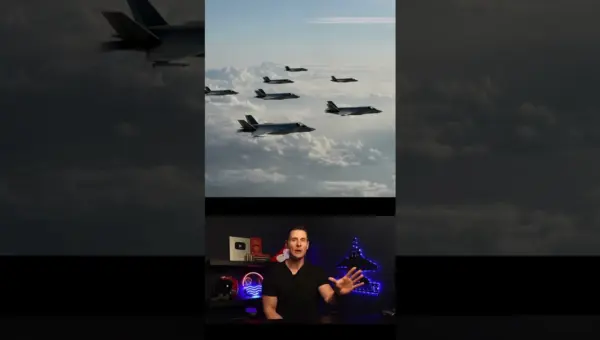
U.S. Special Operations forces in Operation Epic Fury are now backed by A-10 Warthog aircraft. These close-support planes provide vital air cover for elite units operating near Iran. The deployment enhances capabilities for coastal raids and sensitive site exploitation missions.

Trump: Iran Exit Will Trigger Fast Gas Price Drop
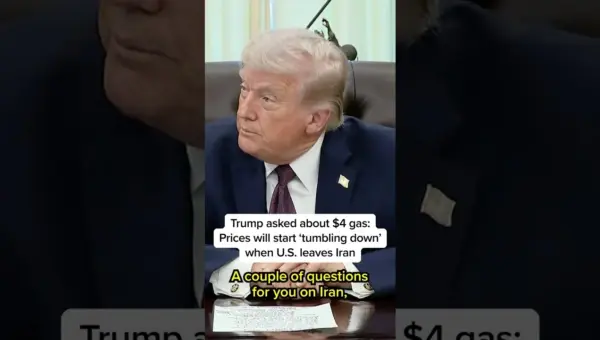
Former President Donald Trump believes that withdrawing U.S. involvement from Iran will cause gas prices to fall rapidly. He stated that this action would ease pressure on global energy markets, impacting fuel costs for Americans. The comments come as gas prices have risen above $4 per gallon due to supply disruptions.
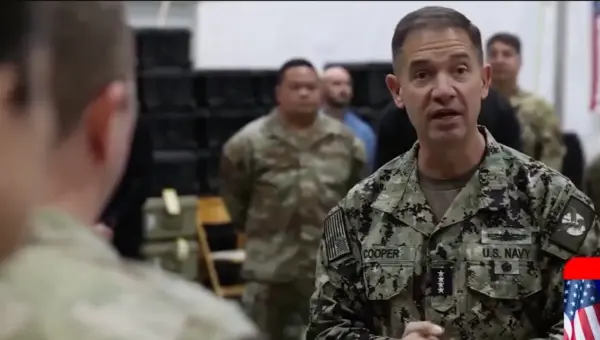
US Military Crushes Iran’s Global Power Projection
The US military has significantly weakened Iran's global power projection capabilities through Operation Epic Fury. Admiral Brad Cooper reported major successes in dismantling Iran's drone, missile, and naval forces, while maintaining vigilance.