Congress Funds DHS, Iran Tensions Rise, Farmer Aid Looms
Congress has reached a deal to fund the Department of Homeland Security, though ICE funding remains separate. Meanwhile, escalating tensions with Iran see Israel intensifying strikes, while the U.S. faces farmer aid and anti-fraud task force initiatives. Concerns also rise over Chinese influence on U.S. campuses.

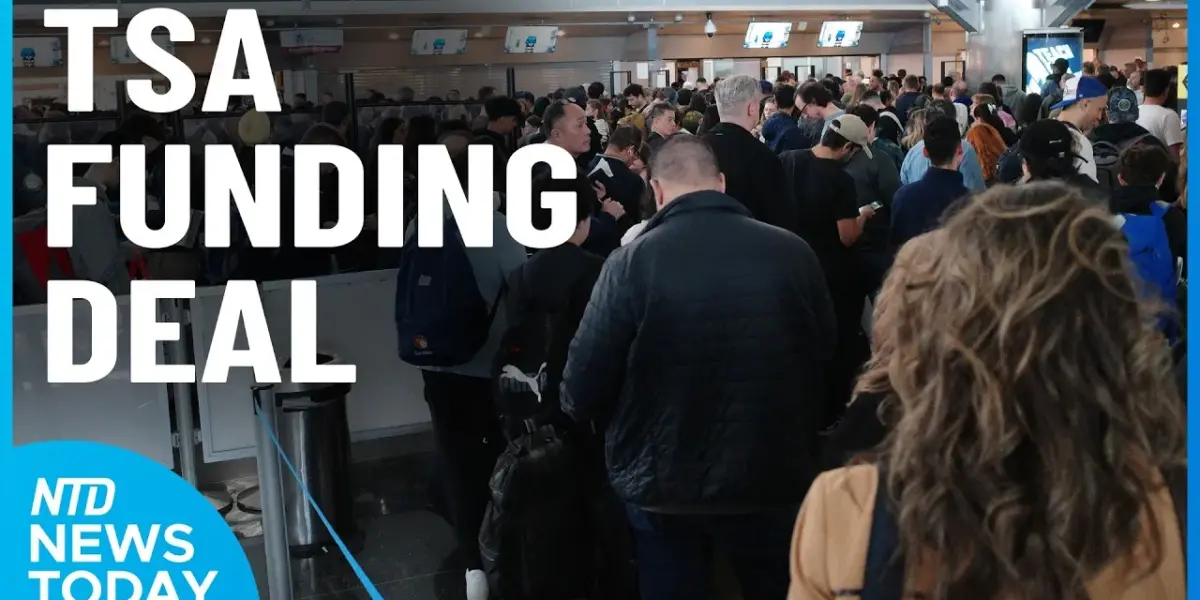
Congress Reaches Deal on DHS Funding, ICE Remains a Point of Contention
Lawmakers in Washington have finally agreed to fund most of the Department of Homeland Security (DHS), ending a long standoff. The deal, passed in an overnight session, includes funding for agencies like the TSA, Coast Guard, and FEMA, strengthening border and port security. However, it notably excludes new funding for Immigration and Customs Enforcement (ICE).
Republicans plan to pursue a separate, party-line strategy to secure funding for ICE and additional Pentagon resources. This move comes after Democrats had demanded a list of reforms for ICE before agreeing to any funding package. The White House stated that the bill ensures essential services continue and American safety is maintained.
New Task Force Aims to Combat Widespread Fraud in Federal Programs
Vice President JD Vance announced the formation of a new task force dedicated to eliminating fraud in federal benefits programs. He highlighted that many programs currently operate on an honor system, especially in certain states, without proper verification processes before benefits are issued.
The task force will adopt a comprehensive, government-wide approach, ensuring different departments communicate effectively to identify and stop fraudulent activities. Officials pointed to Minnesota as an example where a lack of oversight allows undetected fraud to persist, stressing that every dollar lost to fraud deprives Americans in genuine need of essential services.
Israel Escalates Strikes on Iran Amid Strait of Hormuz Tensions
Israel has warned it will expand its attacks on Iran in response to continued missile fire directed at Israeli civilians. The Israeli Defense Forces reported carrying out extensive strikes overnight, targeting facilities involved in producing ballistic missiles and weapons, as well as missile launchers and storage sites in western Iran.
This escalation occurs as Iran continues to threaten the Strait of Hormuz, a vital shipping route for global oil. President Trump has extended a deadline for Iran to reopen the strait or face potential destruction of its energy plants, though he noted that talks are progressing. The US continues to conduct strikes against other Iranian targets to neutralize threats.
US Farmers Face Mounting Pressures, Await Government Support
American farmers are grappling with a difficult situation, facing high costs for essential supplies like fertilizer, partly due to disruptions in key shipping areas like the Strait of Hormuz. Brian Risinger, a fourth-generation farmer, explained that these increased costs are hitting hard as the spring planting season begins.
Farmers are also dealing with the fallout from trade disputes with countries like China and challenges in global supply chains. Risinger emphasized the need for policies that reduce costs for farmers, such as lower taxes and regulations, and promote American innovation in agriculture to help small and medium-sized farms keep pace with technological advancements.
Why This Matters: The Importance of Supporting American Farms
The struggles of American family farms have a direct impact on every consumer. As farms disappear, food prices are likely to rise, and the nation’s food supply becomes more vulnerable to security threats and disruptions, as seen during recent supply chain issues. Supporting these farms ensures a stable, affordable, and secure food system for everyone.
Looking Ahead: Farmer Resilience and Consumer Action
Despite the challenges, Risinger expressed optimism, citing the deep resilience of farm families who have navigated crises for generations. He encouraged Americans to support farmers by buying local produce when possible, seeking out farmers’ markets, and directly purchasing from farms. Consumers can also urge elected officials to focus on creating new entrepreneurial opportunities for farmers, not just offering support.
Florida Congresswoman Faces Ethics Violations Over Campaign Funds
A Florida congresswoman is under scrutiny for alleged violations of House rules, including spending COVID disaster relief funds on her 2022 congressional campaign. The House Ethics Committee has accused Representative Sheila Sherilis McCormack of using a $5 million overpayment to her family’s healthcare company for COVID vaccination services to fund her campaign.
McCormack has denied any wrongdoing and pleaded not guilty to the charges. Her brother, former chief of staff, and an accountant have also faced federal charges in connection with the case. The Ethics Committee is expected to recommend disciplinary action in the coming weeks.
New Executive Order Targets DEI Practices in Federal Contracts
President Trump has signed a new executive order aimed at prohibiting federal contractors and subcontractors from engaging in Diversity, Equity, and Inclusion (DEI) practices. The order directs the Office of Management and Budget to provide guidance to federal agencies on compliance and to identify economic sectors heavily involved in DEI initiatives.
The order also mandates the cancellation, termination, or suspension of contracts with those who refuse to eliminate what the administration calls racially discriminatory DEI activities. The President stated that these practices are not only unethical and often illegal but also lead to inefficiencies and waste, with costs passed on to the federal government.
Treasury Announces Signature Change on Future US Currency
In a historic move, the Treasury Department announced that President Trump’s signature will appear on future U.S. Paper money. This change is intended to mark the nation’s 250th anniversary and recognize the country’s economic strength and leadership.
This marks the first time a sitting president’s signature will be featured on U.S. Bills alongside the Treasury Secretary’s. Treasury Secretary Scott Bessent described the move as well-deserved, highlighting the administration’s role in economic revival. The first bills bearing Trump’s signature are scheduled to be printed in June.
Legal Battle Over Funding for Former Venezuelan Leaders Continues
A lengthy hearing took place concerning the legal fees for former Venezuelan leader Nicolás Maduro and his wife, Cilia Flores. Defense attorneys argue that the U.S. Government is preventing their clients from accessing funds needed for their defense, while prosecutors contend the funds may be tainted due to sanctions against Venezuela.
Judge Alvin Hellerstein expressed a willingness to allow access to private funds, suggesting that sanctions might no longer be necessary since the Maduros are in the U.S. He stressed the paramount importance of the right to counsel, but prosecutors argued that the judge lacks the authority to order the agency to reconsider the block. The judge acknowledged the unusual nature of the case and the significant resources required for their defense.
US Universities Warned of Chinese Surveillance and Intimidation
Lawmakers are raising concerns that U.S. Universities, known for their research strength, are being targeted by the Chinese Communist Party (CCP). Reports indicate that Chinese agents are surveilling and intimidating American college students, particularly those critical of the CCP.
Student journalists have shared experiences of being monitored on campus and receiving threatening calls and emails. Student groups connected to the CCP are accused of pressuring and reporting on Chinese students, creating an unsafe environment. Universities are working with law enforcement to address these threats and protect research integrity, though the problem is seen as ongoing and evolving.
US Military Operation Nears Completion, Focus Shifts to Iran’s Strait Threats
A U.S. Military operation is reportedly on or ahead of schedule and expected to conclude within weeks. Secretary of State Marco Rubio, speaking after a G7 meeting, highlighted that a significant challenge following the operation’s conclusion will be Iran’s potential actions to control or impose tolls on the Strait of Hormuz.
Rubio emphasized that such actions would be illegal, unacceptable, and dangerous to global shipping. He stated that the U.S. Is prepared to be part of an international plan to confront this threat, urging countries with significant stakes, including those in Asia, to contribute to ensuring international waterways remain free and open, free from control by nations like Iran.
Source: TSA Funding Deal Heads to House; Pres. Trump Speaks to US Farmers | NTD News Today (March 27) (YouTube)

Related Articles

Trump Plans to Demolish Historic White House Room
Donald Trump is reportedly considering transforming the historic White House Treaty Room into a guest bedroom, a move that has sparked concerns among historians. The room has hosted significant presidential moments, including treaty signings and major announcements. This potential alteration raises questions about balancing historical preservation with modern utility.

Rogan Slams MAGA Movement: ‘A Bunch of Dorks’
Joe Rogan has openly criticized the 'Make America Great Again' movement, labeling its followers as 'a bunch of dorks.' He finds the slogan itself problematic, preferring the idea of making America 'greater' rather than 'great again.' Rogan's comments highlight concerns about the perceived intelligence and character of those drawn to the movement.
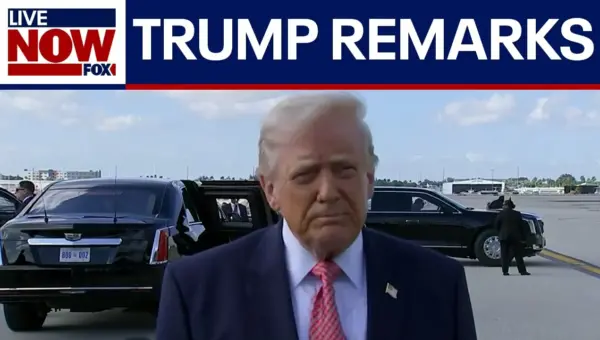
Trump Discusses Tiger Woods, Border Security, and Iran
President Donald Trump addressed reporters in Miami, expressing concern for Tiger Woods following an accident. He also criticized Democrats over immigration policy, linking it to the DHS funding debate and claiming open borders allow criminals to enter the U.S. On Iran, Trump stated the country is being "decimated" and that talks are underway.