Houston Airport Security Lines Stretch Miles, Stranding Travelers
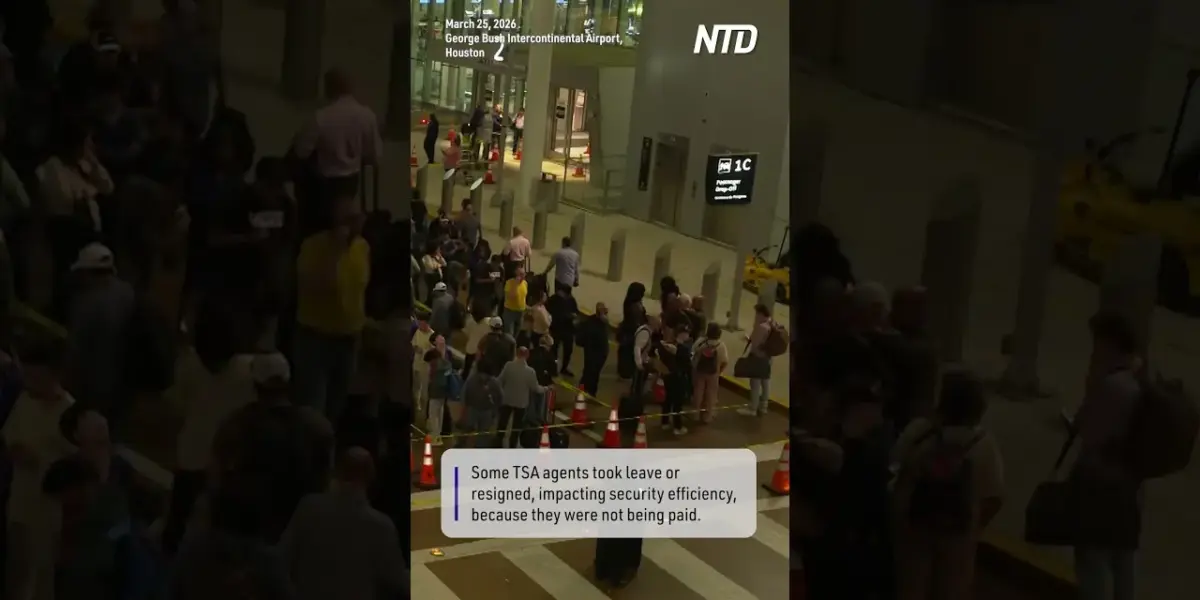
Travelers at Houston's George Bush Intercontinental Airport faced massive security lines that extended outside the terminal. This frustrating situation highlights ongoing challenges in airport infrastructure and staffing. Passengers may continue to experience delays during peak travel times.

Houston Airport Security Lines Stretch Miles, Stranding Travelers
On a recent Wednesday, travelers at George Bush Intercontinental Airport in Houston faced a frustrating scene. The security check line snaked outside the terminal building, forcing passengers to wait for extended periods. This unusual sight highlights growing pains in air travel infrastructure.
The long queues are more than just an inconvenience; they represent a breakdown in the usual flow of air travel. Passengers were left standing outdoors, exposed to the elements, as they waited to get inside for screening. This situation can cause significant stress and anxiety for those trying to catch flights.
Why This Matters
Airport security lines are a critical part of the travel experience. When they become excessively long, it directly impacts passenger satisfaction and can lead to missed flights. This can have financial consequences for both travelers and airlines.
The efficiency of airport security is also a matter of national importance. Smooth operations at major hubs like Houston’s IAH airport are essential for the broader transportation network. Delays at one airport can have a ripple effect across the country.
Historical Context and Background
Airport security has evolved significantly over the decades. Before the September 11, 2001 attacks, security measures were far less stringent. Passengers often walked through metal detectors with minimal screening of their belongings.
Following 9/11, the Transportation Security Administration (TSA) was created to standardize and improve airport security nationwide. This led to more rigorous screening processes, including detailed baggage checks and pat-downs. While these measures are intended to enhance safety, they also require more time and resources.
The growth in air travel has also put pressure on existing infrastructure. More people are flying than ever before, and airports are struggling to keep up with the demand. This often leads to bottlenecks, especially during peak travel times like holidays and summer vacations.
Analyzing the Situation
The scene at Houston’s airport suggests a potential mismatch between staffing levels and passenger volume. Airports and the TSA work together to predict passenger flow and schedule security personnel accordingly. When predictions are off, or unexpected surges occur, long lines can form quickly.
Factors like weather delays or airline schedule changes can also contribute to unusually high passenger numbers at a specific time. If more flights arrive or depart around the same time, more people will converge on security checkpoints simultaneously. This can overwhelm the system, even with adequate staffing.
The physical layout of the airport also plays a role. Older terminals may not have been designed to handle the current volume of travelers or the newer, more complex security screening equipment. This can limit the number of screening lanes available and create choke points.
Broader Implications and Future Outlook
Incidents like this are not unique to Houston. Similar long lines have been reported at airports across the country, indicating a systemic challenge. The travel industry is still recovering from the pandemic, and staffing shortages are a common problem across many sectors.
Airlines and airports are investing in new technologies to speed up security checks. This includes advanced imaging technology and biometric screening. The goal is to reduce the time passengers spend in line while maintaining security standards.
However, the implementation of new technology takes time and significant investment. It also requires training for security personnel. For now, travelers may continue to experience delays, especially during busy periods.
The long-term outlook depends on continued investment in airport infrastructure and staffing. A proactive approach is needed to anticipate future travel growth and potential disruptions. Passengers can help by arriving at the airport earlier than usual and being prepared for security checks.
Airports are also exploring ways to manage passenger flow more effectively. This could include better communication with airlines about flight schedules and using data analytics to predict peak times. The aim is to create a smoother, less stressful experience for everyone involved.
Travelers can also look for TSA PreCheck or Global Entry programs, which offer expedited security screening for approved members. These programs help reduce the number of people in the standard security lines, benefiting all passengers.
The situation at Houston’s airport is a reminder of the complex systems that keep air travel moving. While safety remains paramount, the need for efficiency and passenger comfort is also critical for a healthy travel industry.
Source: Security Check Line at Houston Airport Snakes Outside Terminal (YouTube)

Related Articles
DHS Shutdown Hurts National Security, Lawmakers Hear
A House hearing revealed the severe impacts of the Department of Homeland Security funding lapse, with agency leaders detailing workforce hardships and operational risks. Republicans blamed Senate Democrats for the shutdown, while Democrats pointed to former President Trump, as witnesses described missed paychecks, increased airport wait times, and growing cybersecurity threats.

DHS Shutdown Threatens National Security, Workforce
A prolonged shutdown of the Department of Homeland Security (DHS) is creating significant national security risks and severely impacting its workforce. Agencies like TSA, Coast Guard, and CISA are struggling with staffing shortages, operational disruptions, and morale issues due to missed paychecks and funding uncertainty.


Plane Crash, Airport Chaos, and a Social Media Verdict
New details emerge from the LaGuardia plane crash investigation, highlighting potential failures in tracking systems and air traffic control staffing. Meanwhile, a potential deal to fund the TSA could end airport chaos, and Meta faces a landmark verdict for endangering children on its platforms.