EU, Australia Forge Trade Pact Amid US Tariff Fears
The European Union and Australia have finalized an eight-year trade agreement, aiming to create predictable trade conditions amid U.S. tariff uncertainty. The deal will eliminate tariffs on most goods, making Australian minerals cheaper for EU industries and boosting European exports. It also includes a defense partnership and addresses concerns from European farmers.

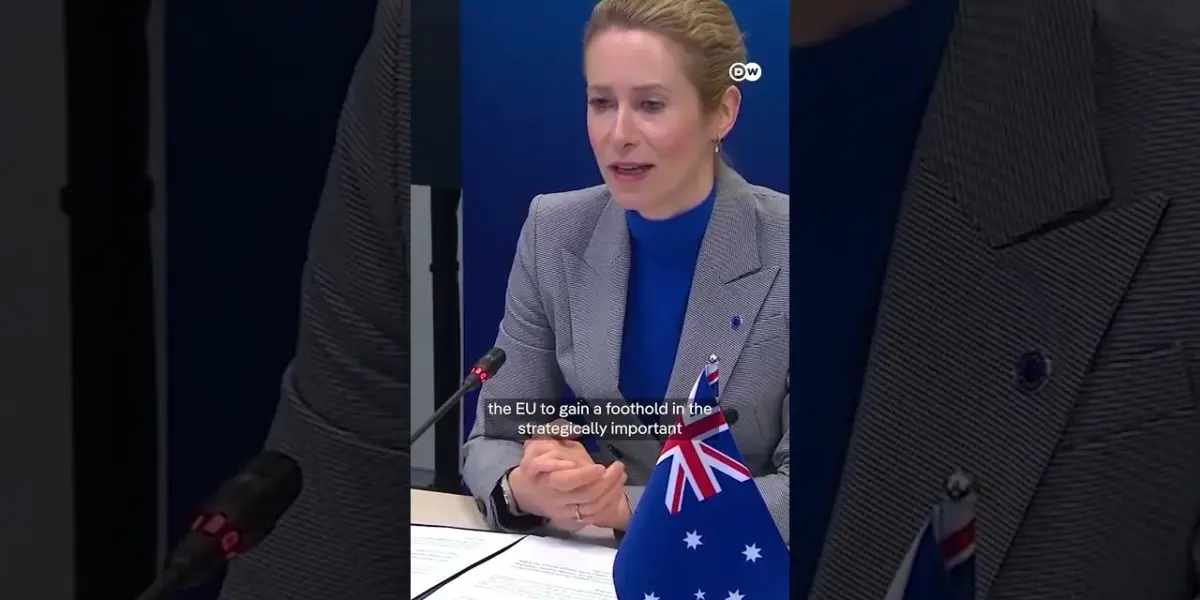
EU and Australia Finalize Landmark Trade Agreement
The European Union and Australia have finalized a long-awaited free trade deal, a move spurred by global trade uncertainties and the imposition of U.S. Tariffs. This agreement, pending for eight years, aims to create predictable trade conditions for both regions. It is particularly significant as Australia holds vast reserves of critical minerals essential for the EU’s green energy transition and defense build-up.
Key Benefits of the Trade Deal
At its heart, the deal will remove tariffs on 99% of goods exported between the EU and Australia. This means Australian minerals, such as rare earths and lithium, will become cheaper for European industries.
These minerals are vital for producing batteries and other components needed for decarbonization efforts and strengthening defense capabilities. The agreement also covers major European exports like cheese, meat products, wine, and chocolate.
European exporters anticipate significant savings. “We expect to have a reduction in tariffs of around 1 billion euro per year for European exporters,” stated an official source familiar with the agreement. “We would expect that EU goods exports to Australia would grow by around 33%.” This substantial growth projection highlights the economic potential unlocked by the new trade framework.
Strategic Importance and Investment Opportunities
Beyond economics, the pact includes a defense and security partnership. This allows the EU to strengthen its presence and influence in the strategically vital Indo-Pacific region.
Australia, in turn, gains preferential access to the EU’s massive single market, the largest in the world. Experts predict a significant boost in investment, with EU investments in Australia potentially increasing by over 87%.
The EU has indicated a strong interest in collaborating on the entire supply chain for critical minerals. This includes everything from the initial extraction process to the refining of these essential materials in Australia.
Currently, China dominates the refining of Australian rare earths, controlling about 90% of the global supply. This deal could help diversify those supply chains, though its full impact depends on ratification.
Addressing Agricultural Concerns
The EU has taken specific measures to protect its own farmers from potential negative impacts. Concerns were raised about opening the European market to Australian agricultural products like beef and sugar.
To address this, the deal includes limits on duty-free imports for these sensitive goods. However, it remains to be seen if these safeguards will be enough to satisfy all European agricultural producers.
Similar concerns have previously complicated other trade negotiations for the EU. For instance, worries about agricultural imports helped stall the EU’s Mercosur trade deal with South American nations, even after an agreement was initially reached. This history suggests that agricultural interests can be a significant hurdle in finalizing such broad trade pacts.
Looking Ahead
The EU and Australia are now awaiting ratification of the trade agreement. The economic and strategic implications are substantial, potentially reshaping supply chains for critical minerals and strengthening geopolitical ties. The focus will now shift to how effectively both sides implement the agreed-upon terms and manage any remaining concerns, particularly within their respective agricultural sectors.
Source: Australia and EU strike free trade deal amid US tariff uncertainty | DW News (YouTube)

Related Articles
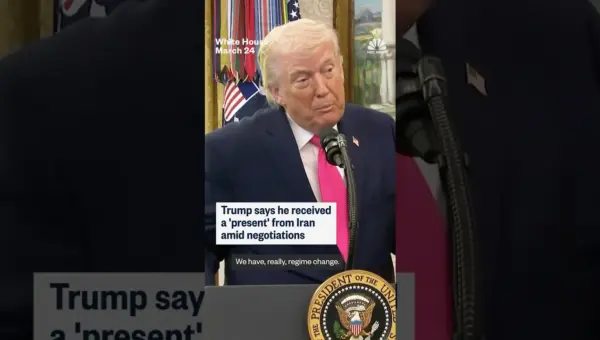
Trump Claims Iran Sent ‘Huge Present’ Amid Talks
Former President Donald Trump announced Iran sent a "very big present" worth "tremendous" value, described as oil and gas related, not nuclear. He stated the gift signaled he was "dealing with the right people" amid ongoing negotiations.


US-Iran Talks Secret? Expert Weighs In on Indirect Diplomacy
The United States and Iran maintain communication through indirect channels, utilizing regional countries as intermediaries due to the absence of formal diplomatic relations. Middle East expert Farwaz Gerges explained that this reliance on third-party nations is crucial for managing tensions and exploring diplomatic options. These indirect talks cover various sensitive issues, offering a path for dialogue despite decades of severed direct ties.


Iran Missiles Strike Israel, Damaging Buildings
Iran launched an unprecedented drone and missile attack against Israel, sending hundreds of projectiles toward the country. While most were intercepted, some damage was reported, and a seven-year-old girl was injured. International leaders are calling for de-escalation amid fears of a wider regional conflict.