Pakistan Offers to Host US-Iran Peace Talks Amid War
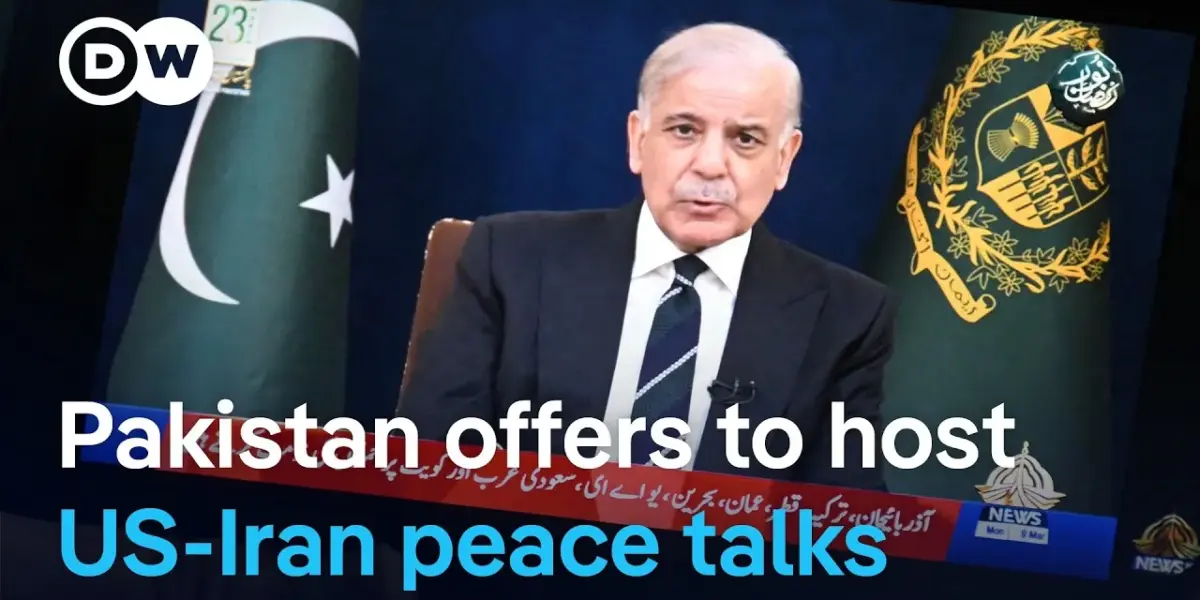
Pakistan's Prime Minister Shehbaz Sharif has offered to host peace talks between the U.S. and Iran to end the ongoing war in the Middle East. His proposal comes as diplomatic efforts face challenges, with Iran denying direct talks with U.S. officials. Analysts note the complexity of the situation and the critical need for dialogue.

Pakistan Offers to Host US-Iran Peace Talks Amid War
Pakistan’s Prime Minister Shehbaz Sharif has offered to host peace talks between the United States and Iran, aiming to end the ongoing conflict in the Middle East. Sharif announced his proposal on the social media platform X, stating that Pakistan is ready and willing to facilitate meaningful discussions. The offer comes as the war in the region has continued for three and a half weeks, with calls for a diplomatic solution growing louder.
Sharif’s initiative places Pakistan among several nations actively seeking a peaceful resolution to the intense hostilities. While U.S. President Donald Trump has indicated that American envoys are engaged in discussions with Iranian officials, Tehran has publicly denied any such direct talks are taking place. This conflicting information highlights the complex diplomatic challenges involved in de-escalating the situation.
Growing Calls for Diplomacy
The proposal from Pakistan’s leader highlights the international community’s concern over the prolonged conflict. Years of strained relations between the U.S. And Iran have frequently brought the two nations to the brink of open confrontation. This current war marks a dangerous escalation, prompting a more urgent push for dialogue.
Alex Vatanka, a Middle East analyst, has provided insights into the dynamics at play. He suggests that the situation is highly complex, with various regional and international actors involved.
The motivations and objectives of each party are not always clear, making it difficult to predict the path toward peace. Vatanka’s analysis points to the deep-seated mistrust that has characterized U.S.-Iran relations for decades.
Challenges to Peace Talks
Bradley Bowman from the Foundation for Defense of Democracies also commented on the situation. Bowman’s perspective often focuses on the security implications and the need for clear objectives in any diplomatic engagement.
He has previously highlighted that successful negotiations require a strong understanding of each side’s red lines and a clear strategy to achieve tangible outcomes. The current climate of suspicion and denial makes such conditions hard to meet.
The denial from Tehran regarding direct talks with U.S. Officials presents a significant hurdle. If true, it means that any communication is likely happening through intermediaries or indirectly.
This indirect approach can slow down negotiations and increase the risk of misunderstandings. Pakistan’s offer could provide a formal platform to bypass some of these communication barriers.
Regional Instability and Wider Implications
The war in the Middle East has far-reaching consequences beyond the immediate conflict zone. The region is a critical hub for global energy supplies, and prolonged instability can disrupt markets and impact economies worldwide. The conflict risks drawing in other regional powers, potentially widening the scope of the war and increasing humanitarian suffering.
The involvement of countries like Pakistan in mediating peace talks reflects a broader desire for stability in a volatile region. Pakistan, with its own history and strategic position, could play a unique role in bridging divides. However, the success of such an initiative would depend heavily on the willingness of both the U.S. And Iran to engage constructively.
The Path Forward
As the conflict continues, the international community will be watching closely to see if Pakistan’s offer gains traction. The coming days and weeks will be crucial in determining whether diplomatic channels can be effectively opened. The ability of leaders like Prime Minister Sharif to bring the U.S. And Iran to the negotiating table remains uncertain.
The Foundation for Defense of Democracies and other think tanks continue to analyze the evolving situation. Their ongoing assessments will likely focus on the strategic objectives of each nation and the potential outcomes of different diplomatic or military scenarios. The world hopes for a peaceful resolution to prevent further escalation and suffering.
Source: Iran war continues as doubts cast on diplomacy | DW News (YouTube)

Related Articles
Israel Plans Buffer Zone Deep Into Lebanon
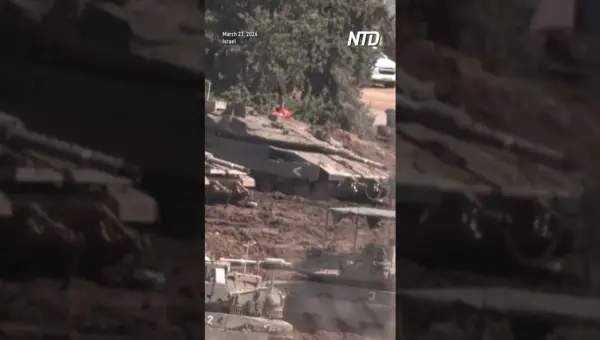
Israel is planning to create a buffer zone extending to the Litani River in southern Lebanon following recent strikes. This move aims to enhance security but raises concerns about regional stability and potential conflict escalation.

Israel Strikes Hezbollah: Escalation Looms in Lebanon
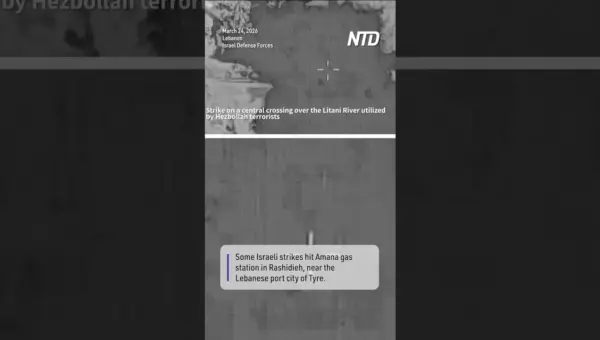
Israel's military released video of strikes targeting suspected Hezbollah sites in Lebanon, continuing a pattern of cross-border conflict. These actions are linked to the Gaza war and raise concerns about wider regional instability.
US-Iran Talks Secret? Expert Weighs In on Indirect Diplomacy
The United States and Iran maintain communication through indirect channels, utilizing regional countries as intermediaries due to the absence of formal diplomatic relations. Middle East expert Farwaz Gerges explained that this reliance on third-party nations is crucial for managing tensions and exploring diplomatic options. These indirect talks cover various sensitive issues, offering a path for dialogue despite decades of severed direct ties.