Supreme Court Hears Asylum Claims and Bankruptcy Disputes
The Supreme Court heard arguments on two critical cases: one concerning asylum seekers' rights at the U.S. border and the interpretation of "arriving in the United States," and another addressing whether attorneys' mistakes can excuse debtors from consequences in bankruptcy for undisclosed claims. The decisions could significantly shape immigration policy and bankruptcy law.

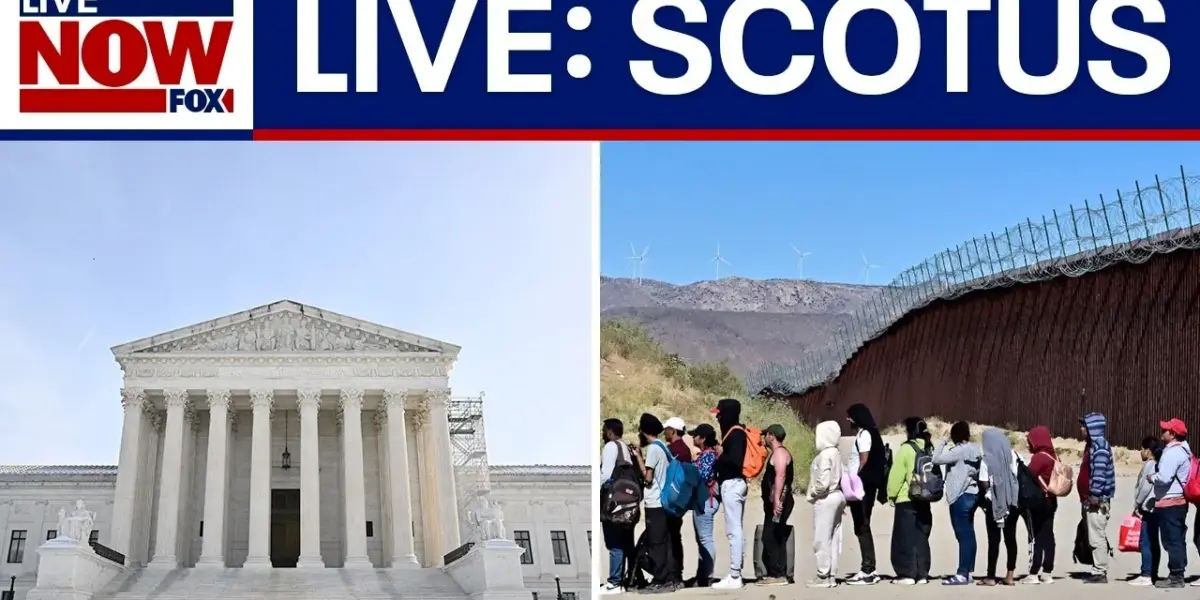
Supreme Court Tackles Complex Asylum and Bankruptcy Cases
The Supreme Court recently heard arguments on two significant cases that could impact immigration law and bankruptcy proceedings. One case centers on the interpretation of asylum laws for individuals arriving at the U.S. Border, while the other addresses the consequences of undisclosed claims in bankruptcy cases.
Asylum Claims at the Border: “Arriving In” the U.S.
The first case, Ninth Circuit v. Doe, questions whether the U.S. Can prevent asylum seekers from entering the country to make their claims.
At the heart of the debate is the meaning of “arrives in the United States.” The government argues that this phrase means physically present within the U.S. And that policies like “metering” – which limits the number of people processed at ports of entry – are lawful. This policy, the government says, is a response to overwhelmed border facilities.
Justice Sonia Sotomayor questioned this interpretation, drawing parallels to the historical MS St. Louis incident, where Jewish refugees were turned away. She argued that the Refugee Act was passed to prevent such rejections and ensure that individuals seeking asylum at the border are heard. “The statute doesn’t say arrive at the door,” Justice Sotomayor stated, emphasizing that people are “knocking on the door” and seeking entry.
The government’s counsel, Mr. Suri, countered that the statute’s text is clear and that treaty obligations do not require the U.S. To admit everyone. He explained that the Refugee Convention allows nations to control who enters their territory, and metering simply manages capacity. “It’s saying our port is at capacity today.
Try again some other day,” Mr. Suri explained. He also noted that existing laws provide separate routes for those outside the U.S. Seeking refuge.
Treaty Obligations and Practical Concerns
Justice Elena Kagan probed the treaty obligations, asking how they should be interpreted in light of the MS St. Louis incident. Mr. Suri responded that the treaty was a compromise, not requiring nations to admit all refugees but forbidding sending them back to countries where they face persecution. He argued that metering does not violate this because individuals are not being sent back to their home countries, but rather denied entry to the U.S.
Justice Ketanji Brown Jackson raised concerns about the practical implications of the government’s interpretation. She posed a hypothetical: why would Congress intend for asylum seekers who follow the rules by approaching the border without crossing unlawfully to be disadvantaged compared to those who enter illegally? This, she argued, seems counterintuitive to the goal of asylum.
The government’s response was twofold. First, metering is not a permanent ban but a temporary measure due to capacity limits.
Second, Congress could reasonably decide the U.S. Has greater responsibility for those already within its borders than those still in Mexico. The policy, implemented in 2016, aimed to address situations where border facilities were overwhelmed by large numbers of asylum seekers.
Bankruptcy Law: Judicial Estoppel and Undisclosed Claims
The second case before the Court deals with judicial estoppel in bankruptcy. This legal doctrine prevents a party from arguing a position that contradicts a previous statement made in court. The specific issue is whether a debtor can escape judicial estoppel by claiming their attorney made a mistake about undisclosed assets or claims in bankruptcy proceedings.
The Court seemed inclined to rule that an attorney’s representation to the court matters and that a litigant cannot use a claim of attorney error to avoid the consequences of inconsistent statements. This principle is rooted in the idea that legal mistakes are different from the factual errors that might excuse a party from judicial estoppel.
The Incentive to Disclose
A key concern raised during arguments was the incentive for debtors to disclose all potential claims during bankruptcy. If undisclosed claims are simply pursued later without consequence, it could undermine the integrity of the bankruptcy process. Justice Jackson highlighted a hypothetical where an asset is concealed from a divorce proceeding, questioning how such issues would surface without an incentive to litigate the initial non-disclosure.
The government’s attorney argued that sanctions available to bankruptcy courts are not useful if concealed claims are never discovered. The argument is that the threat of losing the right to pursue the claim itself is a necessary incentive. However, some justices questioned whether other sanctions, rather than outright dismissal of the claim, might be more appropriate.
Final Arguments and Future Implications
During rebuttal, the petitioner’s counsel urged the Court to adopt a holistic analysis of intent, considering all circumstances. They argued that the petitioner disclosed his claim with ample time left on his bankruptcy plan, and neither the bankruptcy court nor creditors objected. The counsel emphasized that no doctrine of equity should allow a party to benefit from a mistake if the other party is allowed to “walk away scot-free.”
The Court’s decisions in these cases are expected to have significant implications. The asylum case could redefine how the U.S. Handles asylum claims at its borders, impacting thousands of individuals seeking protection. The bankruptcy case could clarify the application of judicial estoppel, affecting how debtors must disclose assets and claims, and potentially altering the consequences of non-disclosure.
What’s Next
The Supreme Court is expected to issue its opinions in both cases by the end of its term in late June. These rulings will provide crucial guidance on asylum procedures and the strictness of disclosure requirements in bankruptcy court.
Source: LIVE: SCOTUS on asylum immigration claims (YouTube)

Related Articles
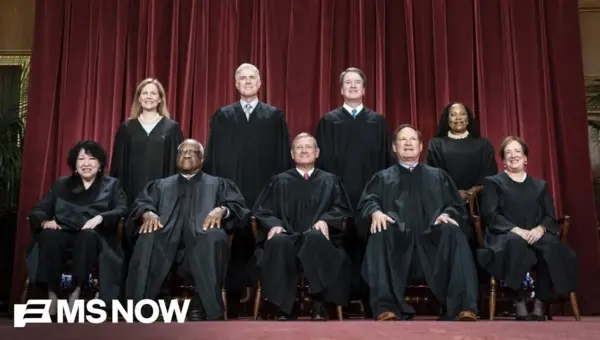
Supreme Court Debates Mail-In Ballots Received After Election Day
The Supreme Court heard arguments on whether states should count mail-in ballots received after Election Day, even if postmarked on time. The case could impact voters in over a dozen states, including military personnel serving abroad. A decision is expected by the end of June.

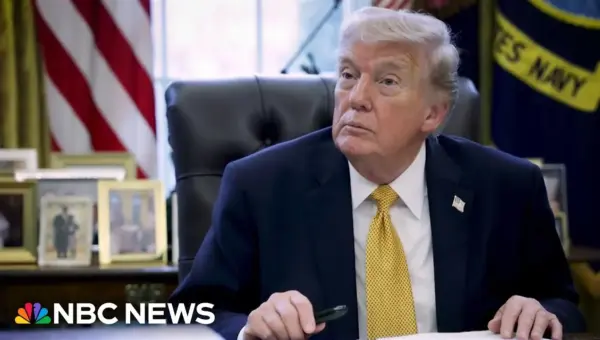
Federal Courts Act as Check on Trump’s Second-Term Agenda
Federal courts are increasingly acting as a check on President Trump's second-term agenda, blocking key policies on immigration, health, and tariffs. Despite Congress's limited oversight, judges have intervened in over 150 cases. The Supreme Court, while sometimes siding with the administration, has also placed limits on presidential emergency powers.


Judge Ends Asylum Claim for Boy, 5, Facing Deportation
A federal judge has ended the asylum claim for five-year-old Liam Conejo Ramos, who became a symbol of the Trump administration's immigration policies. His family, fleeing danger in Ecuador, now faces potential fast-track deportation. The family's attorney is appealing the decision, hoping to present evidence of the threats they face.