Iran Missiles Strike Israel, Damaging Buildings
Iran launched an unprecedented drone and missile attack against Israel, sending hundreds of projectiles toward the country. While most were intercepted, some damage was reported, and a seven-year-old girl was injured. International leaders are calling for de-escalation amid fears of a wider regional conflict.

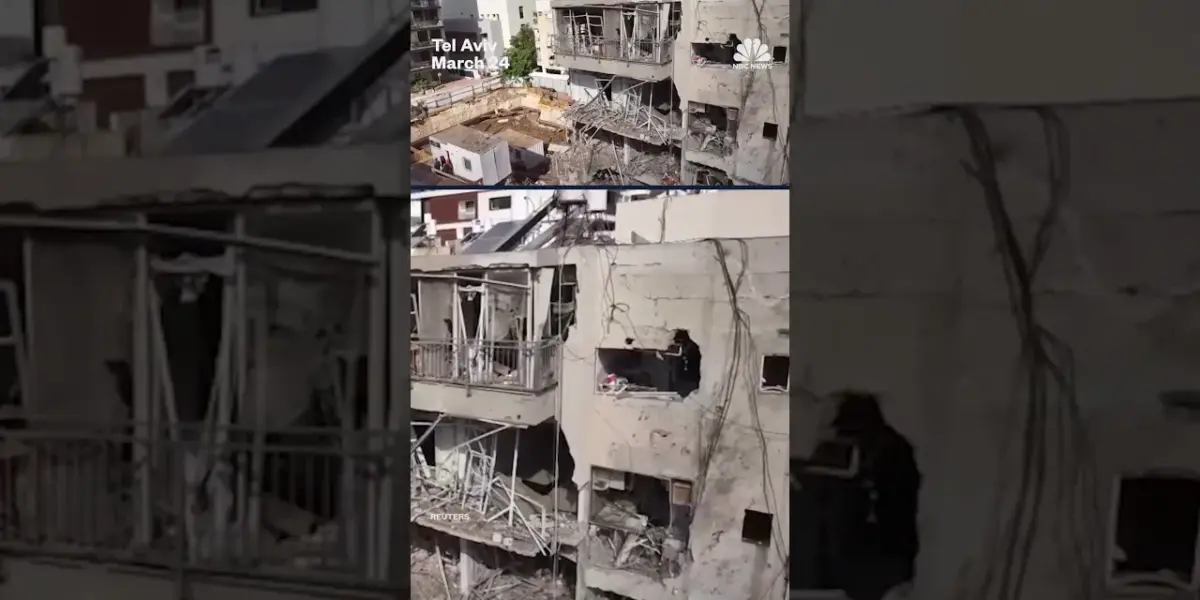
Iran Launches Major Missile Attack on Israel
Iran launched an unprecedented drone and missile attack against Israel over the weekend, sending hundreds of projectiles toward the country. This direct assault marks a significant escalation in the long-standing conflict between the two Middle Eastern nations. The attack, which Iran stated was in retaliation for a suspected Israeli strike on its consulate in Syria, involved over 300 drones and missiles.
Most of the projectiles were intercepted by Israel and its allies, including the United States, Jordan, and the United Kingdom. However, some damage was reported, including to one building. The scale and nature of the attack have raised global concerns about a wider regional war.
Damage and Casualties Reported
While the vast majority of Iranian projectiles were stopped before reaching their targets, the attack was not entirely without impact. Reports indicate that some missiles managed to penetrate Israeli air defenses, causing damage to at least one building. Details about the extent of the structural damage remain under review.
Fortunately, initial reports suggest that casualties were minimal. An Israeli military spokesperson stated that a seven-year-old girl was seriously injured by shrapnel. This low casualty count is largely attributed to the effectiveness of Israel’s multi-layered air defense system, known as the “Iron Dome” and other advanced interceptors, working in concert with allied forces.
Global Response and De-escalation Calls
The international community has reacted with alarm to the Iranian attack. United Nations Secretary-General António Guterres strongly condemned the strikes, calling for an immediate cessation of hostilities. He emphasized the need for all parties to exercise maximum restraint to avoid any further escalation that could lead to a full-scale regional conflict.
Leaders from the G7 group of industrialized nations convened an emergency meeting to discuss the situation. They issued a statement condemning Iran’s actions and reaffirming their commitment to Israel’s security. The G7 also called for de-escalation and urged all parties to work towards a peaceful resolution.
Context: A Retaliation or Escalation?
Iran has framed its attack as a response to a deadly strike on its consulate building in Damascus, Syria, on April 1st. Iran blamed Israel for that attack, which killed several high-ranking Iranian military officials, including commanders in the Islamic Revolutionary Guard Corps (IRGC). Israel has not officially confirmed or denied responsibility for the Damascus strike.
This latest exchange highlights the volatile nature of the region and the potential for spillover from existing conflicts, particularly the ongoing war in Gaza. Iran has long supported groups like Hezbollah in Lebanon and Hamas in Gaza, which have been actively engaged in hostilities against Israel.
Israel’s Defense Capabilities
The successful interception of most Iranian drones and missiles showcased the advanced capabilities of Israel’s air defense network. The system is designed to counter threats from various ranges, including short-range rockets, medium-range missiles, and long-range ballistic missiles. This multi-layered approach involves different types of interceptors, each specialized for specific threats.
The collaboration with international partners, particularly the U.S., proved crucial in defending against the large-scale aerial assault. This joint effort highlights the strategic alliances in place to maintain regional security and stability, though the attack itself has significantly tested these defenses.
Looking Ahead: The Risk of Further Conflict
While the immediate threat of a widespread attack appears to have been contained, the situation remains tense. Israel has stated it will respond to the Iranian attack, though the timing and nature of that response are unclear. The international community continues to urge restraint on all sides, hoping to prevent a devastating regional war.
The coming days and weeks will be critical in determining the trajectory of this escalating conflict. All eyes are on Jerusalem as it weighs its options, while Tehran watches for any Israeli retaliation. The potential for miscalculation remains high in this volatile geopolitical climate.
Source: Building damaged after Iranian missile attack on Israel (YouTube)

Related Articles


Ukraine War: Russia Failed Key Goal by April
Defense analysts assert that Russia's core objective of integrating Ukraine into a 'greater Russia' was lost by April 2022. Despite ongoing fighting and occupation of Ukrainian territory, Russia failed to achieve its primary strategic aim. This marks a fundamental defeat for Moscow's war goals from the outset.


US-Iran War: Secret Talks, Shifting Alliances Emerge
Conflicting reports emerge regarding U.S.-Iran negotiations, with President Trump claiming productive talks while Iran denies any occurred. Regional powers like Pakistan and Turkey are attempting mediation amid escalating tensions and economic fallout. The war's outcome hinges on finding a diplomatic "off-ramp" that addresses security concerns and regional stability.


China Leverages Culture to Boost Global Influence
China is strategically employing 'soft power' by promoting its culture internationally to enhance its global image and influence. This approach, focusing on cultural exports rather than military might, aims to build goodwill and legitimize its actions on the world stage. Nations like Japan and South Korea have previously used similar cultural strategies with significant success.