NASA Reveals Ambitious Moon Mission Updates
NASA held a significant public event on March 24 to update its plans for returning astronauts to the Moon by 2028. Key announcements included progress on establishing a permanent lunar base and advancements in nuclear propulsion for space travel. The agency detailed its strategy for sustained lunar presence and future Mars missions.

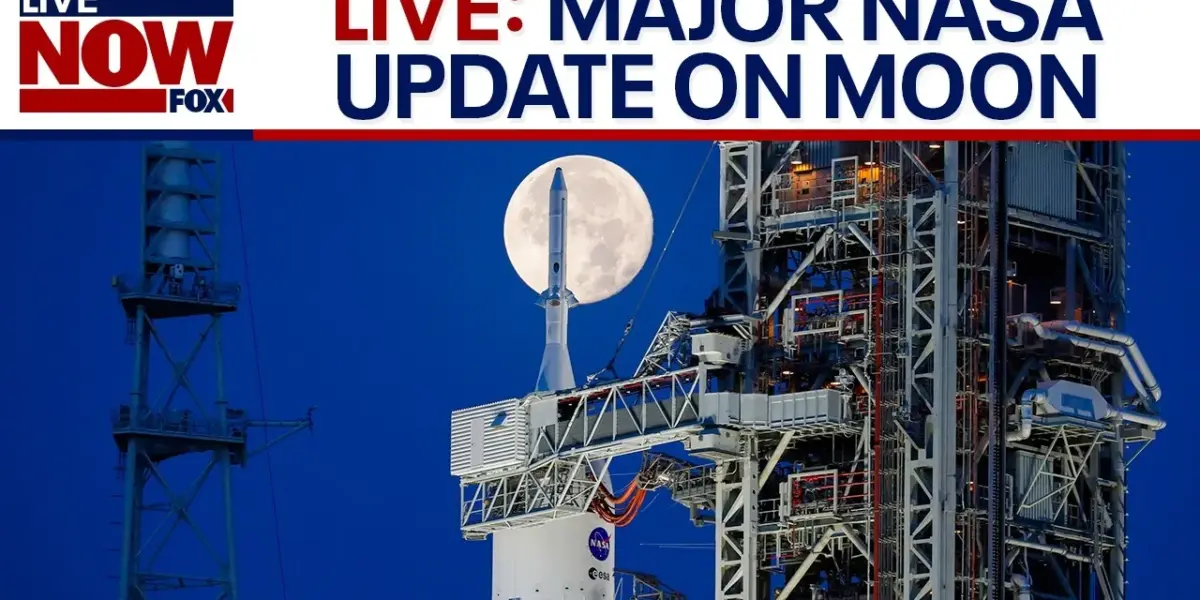
NASA Outlines Accelerated Moon Return Plans
NASA held a major public event on Tuesday, March 24, at its headquarters in Washington D.C. To share detailed updates on its plans to return astronauts to the Moon. The agency is working to speed up preparations for America’s return to the lunar surface, aiming for a landing by 2028.
This accelerated timeline aligns with President Donald J. Trump’s National Space Policy.
The event began with opening remarks from NASA Administrator Jared Isaacman. Following his address, several high-level panels discussed key mission priorities. These discussions covered sending the first humans to the Moon in over five decades and beginning the construction of a permanent lunar base.
Key Moon and Mars Objectives Detailed
A significant focus of the update was the plan to establish the first elements of a lasting human presence on the Moon. This base is seen as a crucial step for future space exploration and scientific research. The agency also touched upon advancing American capabilities in space, including the development of nuclear propulsion systems for deep space missions.
These objectives are part of NASA’s broader Moon to Mars program. The program aims to use lunar missions as a stepping stone for eventual human missions to Mars. Dr. Lori Glaze, program manager for Moon to Mars, highlighted the importance of lunar exploration in preparing for the challenges of reaching the Red Planet.
Expert Insights on Mission Progress
Several key NASA officials provided insights into the progress and challenges of these ambitious programs. Amit Kshatriya, Associate Administrator, discussed the overall strategy and coordination required for these complex missions. Dana Weigel, program manager for the International Space Station, shared lessons learned from long-duration spaceflight that are applicable to lunar missions.
Carlos Garcia-Galan, program executive for Moon Base, detailed the initial concepts and requirements for building a sustainable habitat on the Moon. Steve Sinacore, program executive for Fission Surface Power, spoke about the critical role of reliable power sources, like nuclear fission, for operating on the lunar surface. Dr. Nicola Fox, associate administrator of the Science Mission Directorate, emphasized the scientific opportunities that a lunar base would unlock.
Press Conference Summarizes Day’s Announcements
Later in the day, at 4:45 p.m. EDT, NASA held a live news conference.
Administrator Isaacman and other agency leaders recapped the major announcements and progress discussed throughout the public event. This conference provided a final summary of NASA’s current trajectory for lunar exploration.
The updates signal NASA’s commitment to a rapid and sustained return to the Moon. The agency is working to overcome technical hurdles and secure the necessary resources. These efforts are crucial for achieving the ambitious goals set forth in the National Space Policy.
Broader Implications for Space Exploration
NASA’s accelerated lunar program is more than just a return to a familiar destination. It represents a strategic shift towards establishing a long-term human presence beyond Earth. A permanent lunar base could serve as a vital outpost for scientific discovery, resource utilization, and as a proving ground for technologies needed for Mars missions.
The focus on nuclear propulsion also highlights a forward-thinking approach to space travel. This technology could drastically reduce travel times for deep space missions, making ambitious journeys to Mars and beyond more feasible. Such advancements are essential for expanding humanity’s reach into the solar system.
Looking Ahead: Next Steps for Lunar Missions
NASA’s announcement marks a critical juncture in its lunar exploration efforts. The agency is now focused on translating these plans into concrete actions and hardware. Future updates will likely detail specific mission timelines, crew selections, and technological developments.
The coming years will be crucial for testing and refining the systems needed for a sustained lunar presence. Public and private partnerships will continue to play a vital role in achieving these goals. The world will be watching as NASA works towards its 2028 lunar landing target.
Source: LIVE: Major NASA Moon plans update (YouTube)

Related Articles


ZX Spectrum Lands Spaceship Using 1982 Tech
A 1982 Sinclair ZX Spectrum computer has successfully guided a simulated spacecraft to a lunar landing. Using a combination of emulation, serial communication, and a Python intermediary, the vintage machine controlled a lander in Kerbal Space Program. The project highlights the capabilities of early hardware and the dramatic progress in computing power.

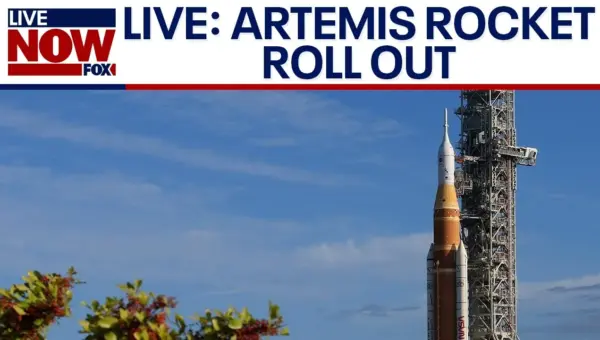
NASA Rolls Out Giant Rocket for Historic Artemis II Moon Mission
NASA is preparing for the historic Artemis II mission, set to launch as early as April 6. The massive Space Launch System rocket, carrying the Orion spacecraft and four astronauts, is being moved to the launch pad for the first crewed journey around the Moon in over 50 years. This mission is a critical step in NASA's plan to establish a long-term presence on the lunar surface.


NASA Rolls Out Artemis II Rocket for Historic Moon Mission
NASA's Artemis II rocket has begun its journey to the launchpad for a historic mission to orbit the Moon. The 10-day flight, targeting an April 1st launch, will carry astronauts farther from Earth than any humans have traveled in 50 years. This critical step follows recent delays and repairs to the massive rocket.