Trump Deal Pays $1 Billion to Halt Wind Projects
The Revolution Wind Farm is now operational, powering homes and promising cost savings. However, controversy surrounds a reported $1 billion taxpayer deal made by Donald Trump to cancel two other wind farm projects. This decision raises questions about energy policy and the use of public funds.

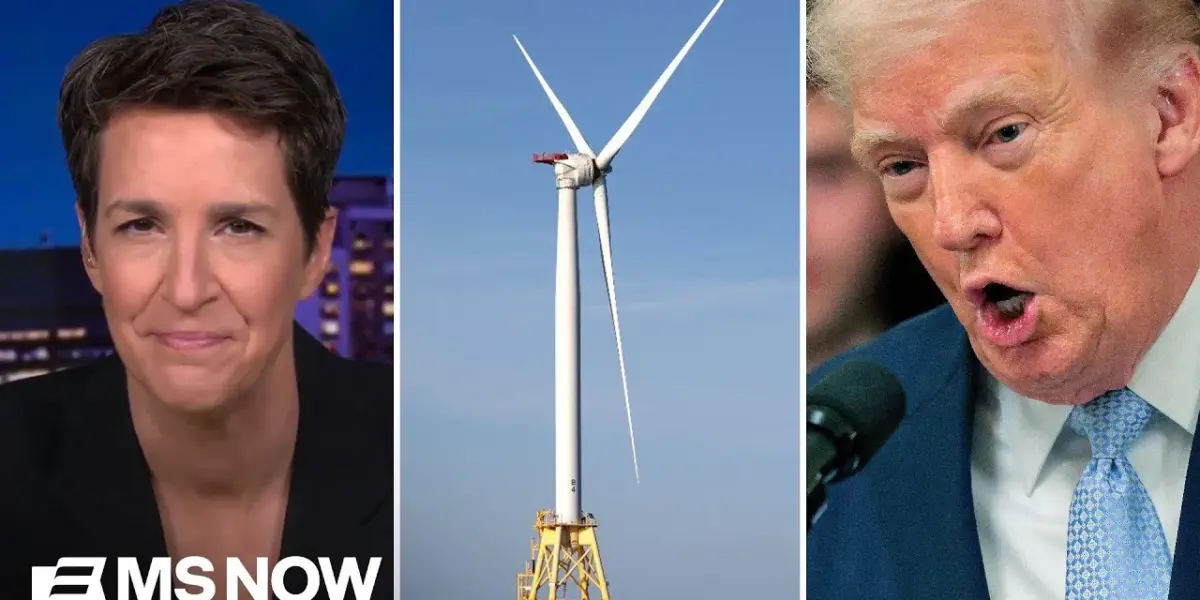
Offshore Wind Farm Powers Up Amidst Controversy
The Revolution Wind Farm, a major offshore energy project, has begun operations, promising to power hundreds of thousands of homes. This development is especially significant as it offers projected cost savings of hundreds of millions of dollars. The project’s success comes at a time when energy costs are a growing concern for many families.
Trump’s Decision to Cancel Wind Farms Sparks Outrage
Despite the positive news regarding renewable energy, former President Donald Trump has reportedly struck a deal to pay $1 billion in taxpayer money. This substantial sum is intended to cancel two new wind farm projects. The move has drawn sharp criticism, particularly given the current energy market conditions.
Financial Implications of the Deal
The agreement to halt the wind farms involves a payment of $1 billion from public funds. This money will go to a French energy firm, according to reports.
Critics argue that this decision represents a significant misuse of taxpayer dollars. They question why public money would be used to stop projects that could provide clean energy and potentially lower costs.
Context of Energy Market and Geopolitics
This decision occurs against a backdrop of a complex global energy situation. Reports suggest that Donald Trump has triggered an energy crisis through his stance on Iran.
This geopolitical tension can impact global energy supplies and prices, making domestic energy production more critical. The cancellation of wind farms, which offer a stable and increasingly affordable energy source, seems counterintuitive in this environment.
Environmental and Economic Arguments Against Cancellation
Wind farms, particularly offshore installations like Revolution Wind, are seen as key components of transitioning to cleaner energy. They offer a way to reduce reliance on fossil fuels, which contribute to climate change.
Beyond environmental benefits, wind energy can also create jobs and stimulate economic growth in the regions where they are developed. The cancellation of these projects means foregoing these potential advantages.
Analysis of the Agreement
The specifics of the deal that leads to the $1 billion payment are still being examined. However, the core action is the use of taxpayer funds to prevent the construction of wind farms.
This contrasts sharply with efforts by many governments and corporations to invest in and expand renewable energy infrastructure. The decision raises questions about the priorities guiding energy policy and the long-term vision for national energy security.
Public Reaction and Future Outlook
News of the $1 billion payment has generated significant public discussion and concern. Many are questioning the justification for such an expenditure, especially when it leads to the abandonment of renewable energy projects.
The focus now shifts to understanding the full details of the agreement and its lasting impact. Future developments will likely involve scrutiny of the deal’s terms and potential repercussions for both energy policy and public finances.
The Revolution Wind Farm is now operational, and its contribution to the energy grid will be closely watched. Meanwhile, the implications of the $1 billion payment to cancel other wind projects will continue to be debated by policymakers and the public.
Source: Trump to pay $1B taxpayer dollars to STOP wind farms (YouTube)

Related Articles
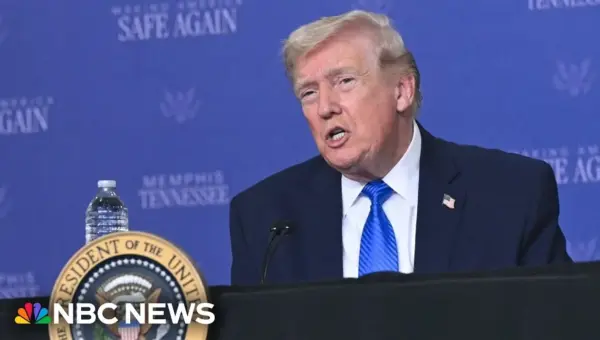
Trump Urges GOP: No Deals Without Voter ID, Citizenship Proof
Former President Donald Trump is demanding that Republicans refuse any legislative deals unless they include voter ID laws and proof of citizenship for voting. He strongly criticized mail-in voting, calling it "mail-in cheating." Trump urged the GOP to pass his "Save America Act" to ensure election integrity nationwide.
Trump Demands Iran Halt Nuclear Program, Seeks Regional Peace
President Donald Trump has laid out firm demands for Iran, insisting on a complete halt to its nuclear program and missile development. He stated that any agreement must ensure Iran does not possess nuclear weapons and seeks to promote peace across the Middle East. Trump believes this approach would benefit Iran, Israel, and other regional allies.

Trump Highlights Crime Drop in Memphis, Links to Border Security
Former President Donald Trump met with a Memphis safety task force, celebrating a sharp decline in violent crime and linking the success to national security efforts. He discussed ongoing negotiations with Iran and strongly advocated for voter ID and proof of citizenship requirements in homeland security funding. The former president highlighted significant drops in crime statistics for Memphis following the task force's intervention.