China Leverages Culture to Boost Global Influence
China is strategically employing 'soft power' by promoting its culture internationally to enhance its global image and influence. This approach, focusing on cultural exports rather than military might, aims to build goodwill and legitimize its actions on the world stage. Nations like Japan and South Korea have previously used similar cultural strategies with significant success.

China’s Cultural Push Aims for Global Soft Power
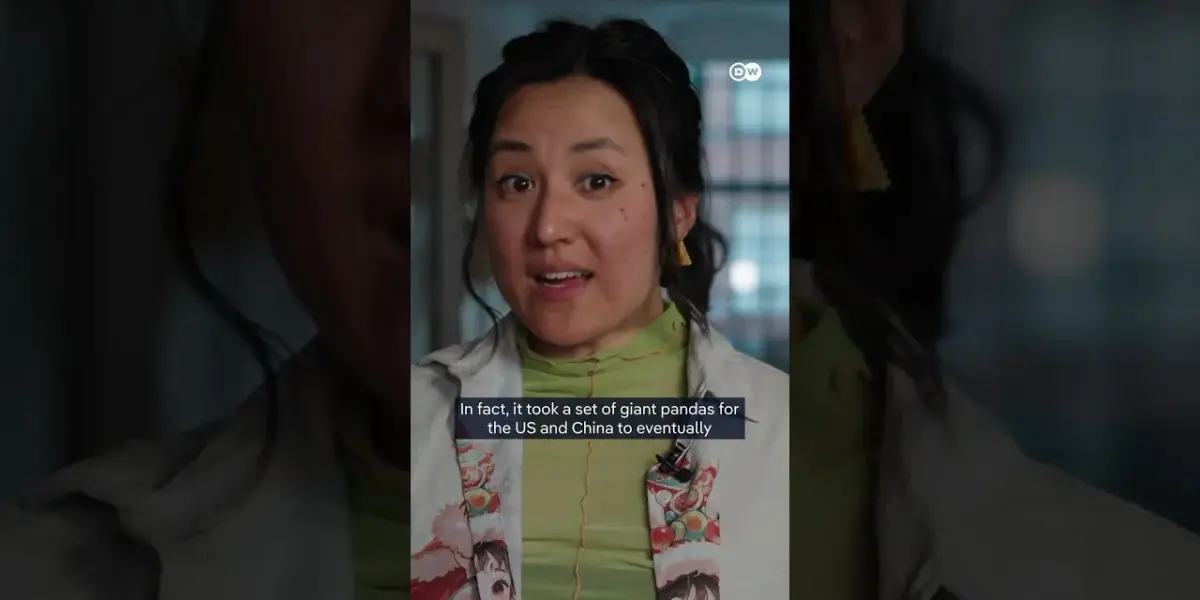
China is actively working to enhance its global image and influence through cultural exports, a strategy known as “soft power.” This approach focuses on making the country more appealing to international audiences, moving away from traditional displays of power like military might or economic sanctions. The goal is to shape global opinion, legitimize its actions on the world stage, and generate economic benefits through cultural products.
The concept of soft power involves a nation’s ability to attract and persuade others through its culture and values. It’s about building a positive image that encourages cooperation and admiration, rather than relying on coercion. This strategy has been successful for other nations, such as Japan and South Korea, which have strategically used their cultural products to improve their international standing.
Cultural Exports Drive China’s Soft Power Strategy
Recent trends show a growing interest in Chinese culture, with certain trends and products gaining popularity internationally. This includes fashion items, like viral Adidas jackets, and even elements from popular television shows that resonate with global audiences. These cultural touchpoints are key components in China’s broader effort to build a more favorable international perception.
However, China faces significant ideological challenges in its pursuit of soft power. The country’s political system and historical context present hurdles in making its image universally appealing. This is particularly true when compared to established US allies like South Korea and Japan, which have different political frameworks and relationships with the United States.
Historical Precedents for Soft Power Success
The importance of cultural diplomacy in international relations is not new. Historically, even the formalization of diplomatic ties between the US and China in the 1970s involved symbolic gestures, such as the exchange of giant pandas. This highlights how cultural elements can play a key role in bridging political divides and building relationships between nations.
Nations like Japan and South Korea have actively pursued soft power strategies with notable success. Japan established a dedicated government cabinet to focus on enhancing its national image, especially after World War II. Similarly, South Korea has effectively used the global phenomenon of K-pop to boost its cultural appeal and international influence.
Thailand’s Gastro-Diplomacy Example
Another example of successful soft power is Thailand’s use of its cuisine. “Gastro-diplomacy,” as it’s known, leverages popular food items like Pad Thai to promote the country’s culture and attract tourism. This shows how everyday cultural elements can be powerful tools in shaping a nation’s global image and fostering goodwill.
The current surge in interest in Chinese culture is also seen by some as a response to growing disillusionment among young people in Western countries with their own national narratives. This creates an opening for alternative cultural influences to gain traction and shape perceptions.
Navigating Cultural Perceptions and Authenticity
There is ongoing discussion about the appropriation and perception of Chinese culture, especially given the experiences of actual Chinese individuals who have faced racism. The trend of people adopting aspects of Chinese culture, sometimes referred to as “Chinamaxxing,” raises questions about authenticity and representation.
While the video acknowledges these complexities, its focus remains on the geopolitical implications of China’s soft power initiatives. The aspiration is to understand how cultural influence is being wielded as a tool in international relations and to observe its potential impact on global dynamics in the coming years.
Source: How Chinamaxxing boosts China’s soft power | DW News (YouTube)

Related Articles

Iran Signals Talks Amid Regime Survival Fears
Iran appears to be signaling a willingness to engage in discussions, driven by internal pressures and the need to ensure regime survival. The government may be prepared to make concessions to maintain power amidst perceived threats to its authority. Investors should monitor these developments closely for potential market impacts.


China Gas Price Hike Sparks Panic Buying
China experienced widespread panic buying of gasoline in late March after Sinopec announced a significant price increase. Authorities later halved the hike to $0.50 per gallon, but the event highlighted consumer sensitivity to rising fuel costs driven by global events.
Trump Declares Iran Nuclear Threat Eliminated, Cites 90% Missile Loss
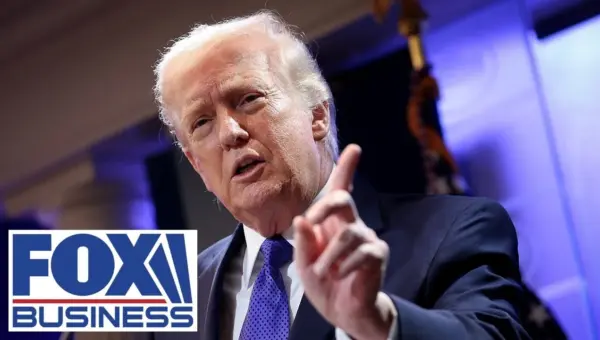
President Trump announced significant military successes against Iran, claiming a 90% reduction in their missile capabilities and halting their nuclear ambitions. He also highlighted a dramatic decrease in crime in Memphis following the implementation of a new task force. Discussions are ongoing regarding homeland security funding and voter identification requirements.