US Air Force Bombers Flex Muscle in Strait of Hormuz
The U.S. Air Force has deployed B-52 bombers near the Strait of Hormuz, signaling a strong military posture. This move is complemented by the arrival of U.S. Navy amphibious assault ships carrying thousands of Marines. These actions aim to ensure freedom of navigation and deter regional aggression.

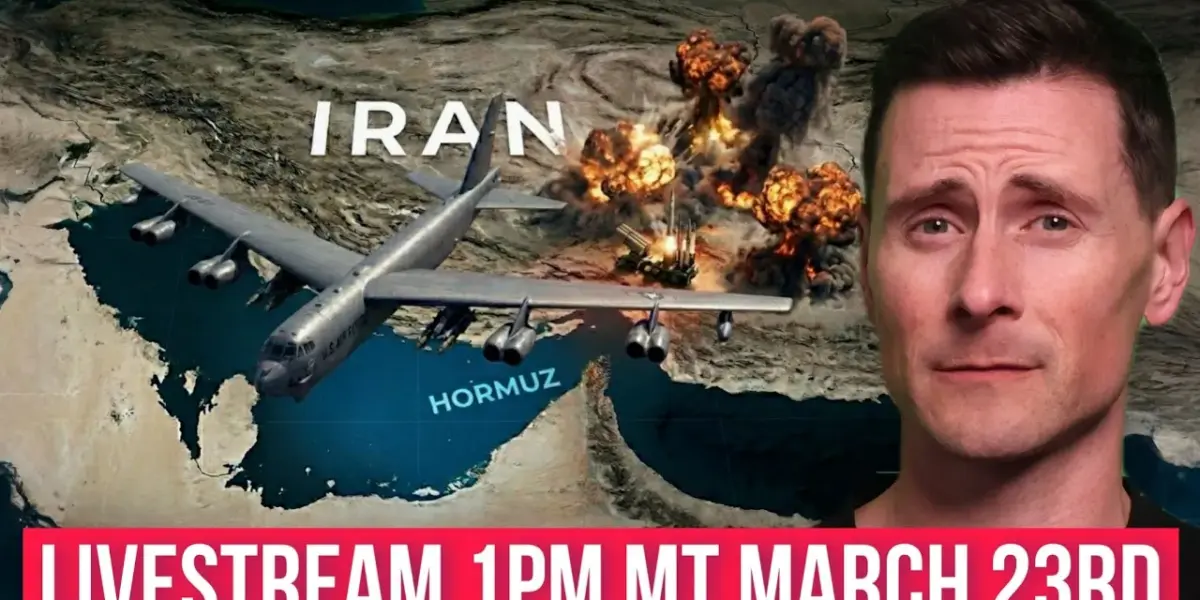
US Air Force Deploys B-52 Bombers, Enhances Naval Presence in Strategic Waterway
The United States has recently demonstrated a significant military posture in the critical Strait of Hormuz, deploying long-range B-52 bombers and reinforcing its naval presence. This strategic move comes amid ongoing tensions and aims to ensure freedom of navigation in the vital global shipping lane.
Recent reports confirm the presence of U.S. Air Force B-52 Stratofortress bombers operating in the vicinity of the Strait of Hormuz. These heavy bombers, known for their ability to carry a wide array of munitions and conduct long-duration missions, signify a powerful show of force. Their deployment highlights the U.S. Commitment to maintaining stability and deterring potential aggression in the region.
Centcom Releases Strike Footage
Central Command (CENTCOM) has released footage showcasing recent strikes against Iranian military assets. The imagery appears to show ballistic missiles and drone launch platforms being targeted and destroyed. These strikes are part of ongoing operations to degrade Iran’s ability to launch attacks.
One video segment highlights what is identified as a ballistic missile mounted on a truck, possibly disguised or transported within a drone body. CENTCOM’s release of such detailed footage provides transparency into the ongoing military actions. The ability to strike these mobile launchers is crucial, as they can be detached from central command networks and used for disruptive operations.
The footage also shows strikes on what appear to be drone launchers and other military vehicles. Some targets were located in desert-like terrain, potentially near the Strait of Hormuz, while others were in more mountainous areas. Thermal imaging was used in some strikes, showing the heat signatures of targets before and after engagement.
Naval Reinforcements Strengthen Regional Security
In parallel with air power, the U.S. Navy has significantly increased its presence. Amphibious assault ships, including the USS Boxer, USS Comstock, and USS Portland, are operating in the region. These vessels carry thousands of U.S. Marines, indicating a substantial build-up of ground forces ready for deployment.
The deployment of these amphibious strike groups is designed to project power and respond rapidly to any threats. They are equipped with advanced aircraft like the F-35B fighter jet and MV-22 Ospreys, enhancing their operational flexibility. This naval reinforcement is a clear signal of intent to protect shipping lanes and regional allies.
Strategic Context and Implications
The Strait of Hormuz is a chokepoint through which a significant portion of the world’s oil supply passes. Any disruption in this waterway can have severe global economic consequences. The U.S. Military’s actions are aimed at preventing such disruptions and reassuring international maritime partners.
The deployment of B-52 bombers and multiple amphibious assault groups demonstrates a multi-domain approach to security. This strategy combines air superiority with naval and ground force readiness. It aims to deter adversaries by showcasing a credible and overwhelming response capability.
The operations also focus on degrading Iran’s drone and missile programs. These systems have been used to threaten regional stability and international shipping. By targeting production facilities and launch sites, the U.S. Seeks to neutralize these threats effectively.
Historical Parallels
The current U.S. Military posture in the Strait of Hormuz echoes historical efforts to ensure freedom of navigation during times of geopolitical tension. Throughout the Cold War and subsequent regional conflicts, the U.S. Navy has consistently maintained a strong presence in vital waterways to safeguard global commerce and project power.
The use of long-range bombers like the B-52 is a classic example of strategic deterrence. These aircraft can be projected rapidly to any theater, signaling resolve and capability without necessarily requiring a permanent forward basing. This approach allows for flexible response options.
Broader Geopolitical Impact
These military deployments are occurring alongside diplomatic efforts. While the transcript mentions ongoing conversations, the U.S. Maintains a stance of not negotiating with entities it designates as terrorists. The military build-up is a backdrop to these diplomatic discussions, potentially influencing their outcome.
The increased U.S. Military activity in the region is closely watched by global powers and regional actors. It signals a firm U.S. Commitment to its allies and to the stability of international energy markets. The visible projection of force aims to dissuade provocative actions and de-escalate tensions.
The deployment of the USS Boxer group, carrying thousands of Marines, represents a significant surge in U.S. Military assets. This move is intended to counter perceived threats and reassure partners in the Middle East. The U.S. Military’s goal is to maintain a secure environment for global trade and regional security.
Source: B-52 Bombers Just Did Something HUGE To Open Strait of Hormuz LIVESTREAM (YouTube)

Related Articles


Trump Gives Iran 48 Hours to Open Strait or Face Power Plant Attacks
President Donald Trump has issued a stark 48-hour ultimatum to Iran, threatening to "obliterate" its power plants if the Strait of Hormuz is not fully opened. This declaration comes as the U.S. also moves to lift sanctions on stranded Iranian oil, aiming to ease energy market pressures. The deadline is set to expire early Monday morning in the Middle East, raising concerns about regional stability.


Iran Conflict Sparks GPS Jamming and Spoofing Fears
Bizarre flight paths and ships sailing on land are the result of GPS jamming and spoofing attacks near Iran. Thousands of incidents have been recorded, highlighting a new dimension of modern warfare fought in invisible signals. These disruptions pose significant risks to shipping and critical infrastructure.


Trump Considers Ground Troops for Iran War
President Trump is reportedly weighing the deployment of thousands of U.S. ground troops to Iran, following weeks of air strikes. Options range from securing oil facilities to retrieving enriched uranium. The president has offered mixed signals on troop deployment, emphasizing U.S. military strength.