Judge Blocks Pentagon’s Press Restrictions, Restores Credentials
A federal judge has declared the Pentagon's restrictive press access policy unlawful, ordering the Department of Defense to reinstate credentials for affected journalists. The ruling emphasizes the critical role of a free press in holding the government accountable and ensuring public understanding of military actions.

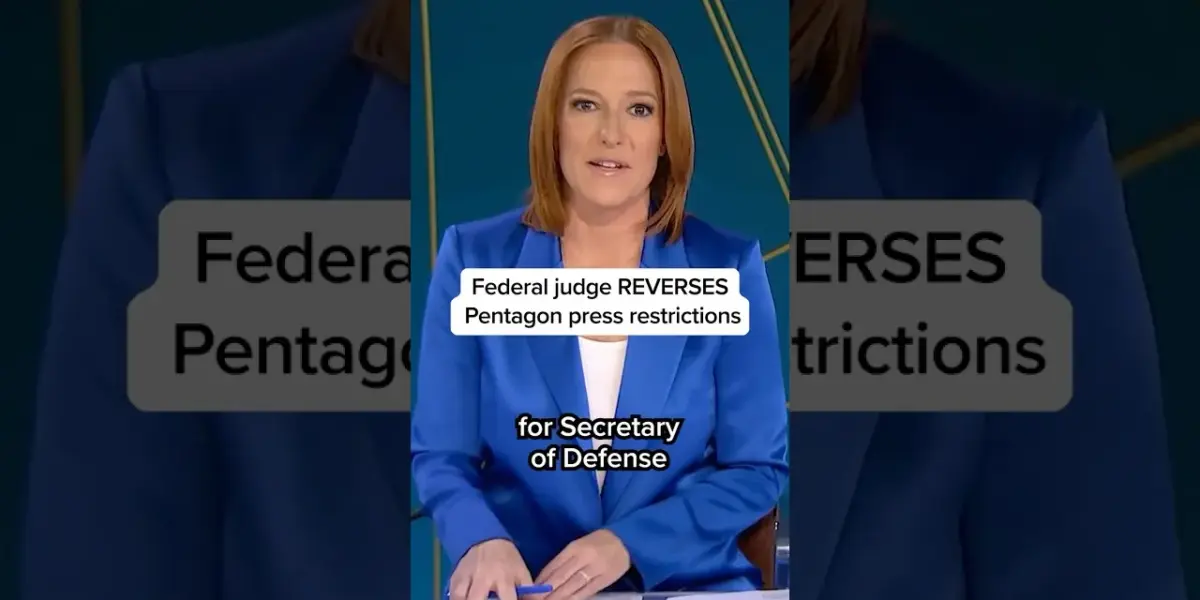
Judge Rules Pentagon Press Access Policy Unlawful
A federal judge has struck down the Pentagon’s restrictive policy on press access, calling it unlawful. The ruling, made on [Date of Ruling – information not provided in transcript], orders the Department of Defense to immediately reinstate press credentials for journalists who had them revoked. This decision comes after a legal challenge arguing the policy unfairly limited reporting on military matters.
The core of the ruling centers on the idea that the Pentagon’s actions violated the First Amendment, which protects freedom of the press. Judge [Judge’s Name – information not provided in transcript] found that the policy created an arbitrary barrier to information. This barrier prevented journalists from doing their jobs and informing the public about important defense issues.
Why the Pentagon Restricted Press Access
While the transcript doesn’t detail the specific reasons the Pentagon implemented the restrictions, it implies a desire to control information flow. Jen Psaki, as quoted in the video description, explains the judicial reasoning behind the reversal.
The underlying principle, according to the judge, is that a free press is essential for accountability. A press that can question and investigate is the only way the public can understand government actions.
This situation highlights a recurring tension between government entities, particularly the military, and the journalists who cover them. Often, access is granted based on perceived cooperation or adherence to certain guidelines. However, when these guidelines are seen as overly restrictive or designed to stifle critical reporting, legal challenges can arise.
Impact of the Ruling on Journalists and the Public
The judge’s decision is a significant victory for press freedom advocates and the journalists affected by the policy. Reinstating credentials means these reporters can once again access military facilities and personnel to gather information. This allows for more thorough and independent reporting on defense policies, operations, and spending.
For the public, this ruling ensures a more informed discourse. When journalists can freely report, the public gains a clearer understanding of what the government is doing.
This transparency is crucial for a healthy democracy. It allows citizens to make informed decisions and hold their leaders accountable for their actions.
Broader Implications for Government Transparency
This case highlights the vital role of the judiciary in safeguarding constitutional rights, including freedom of the press. By challenging the Pentagon’s policy, journalists and their legal teams defended the public’s right to know. The judge’s strong stance against the restrictions sends a clear message about the importance of open access to information.
The ruling may also set a precedent for future cases involving government restrictions on journalists. It reinforces the idea that access to information cannot be arbitrarily denied based on the nature of reporting. This could lead to greater transparency across various government agencies, not just the Department of Defense.
What’s Next for Pentagon Press Access
Following the judge’s order, the Department of Defense is expected to comply and reinstate the revoked press credentials. The Pentagon will likely review its press access policies to ensure they align with the court’s ruling and constitutional requirements. Journalists will be watching closely to see how these changes are implemented and whether access is indeed restored without undue restrictions.
The ongoing dialogue between the military and the press will continue. This ruling provides an opportunity for both sides to establish clearer guidelines for access that respect the needs of reporting while addressing legitimate security concerns. The public interest in open and honest reporting remains paramount.
Source: Federal judge REVERSES Pentagon press restrictions (YouTube)

Related Articles

Iran’s People Suffer Amid War and Brutal Crackdown
Iranians are suffering immensely, caught between external war and internal government crackdowns. With the internet largely shut down, journalists rely on conflicting sources to report the truth. Secretly filmed footage reveals defiance, while state media shows government-approved narratives, painting a grim picture of daily life under threat.


Indonesia’s Female Journalists Face Threats, Demand Protection
Female journalists in Indonesia are facing severe threats and intimidation, including violent messages and harassment, with over 85% reporting experiencing violence. They are demanding government protection and a cultural shift within the male-dominated media industry.


Pentagon Demands $200 Billion for Iran War, Troop Buildup Looms
The Pentagon has formally requested an additional $200 billion to fund its operations in Iran, a sum that dwarfs previous wartime spending. This massive request comes as U.S. military officials discuss potentially sending thousands more troops to the region, raising concerns about a prolonged ground conflict.