Tanking Costs Players Their NFL Careers
Intentionally losing in the NFL, or tanking, is unethical and unfair to players. Careers are short, and teams that try to lose squander precious opportunities for athletes to prove themselves and secure future contracts. Quarterback Malik Willis's situation highlights how a team's poor performance can unfairly label a player.

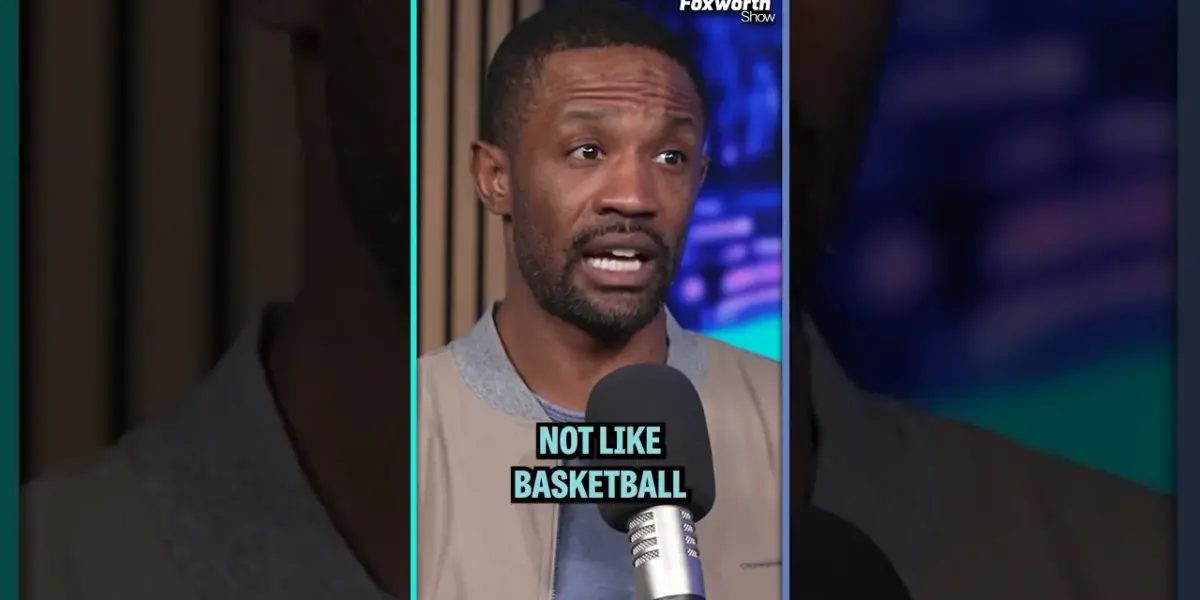
Tanking Costs Players Their NFL Careers
The idea of a football team intentionally trying to lose, known as tanking, is a hot topic. Some people think it’s a smart way for bad teams to get better draft picks.
But for the players on the field, it’s a serious problem that can ruin their chances of having a good career. This isn’t just about winning or losing games; it’s about respecting the hard work and dreams of the athletes.
The debate around tanking is complex. While teams might look at long-term gains, the short-term impact on players is often overlooked.
A player’s performance is directly tied to the support and talent around them. When a team is actively trying to be bad, it means players are put in situations where they are set up to fail.
Squandering Precious Opportunities
Football careers are incredibly short. Unlike sports like basketball or baseball where players can have careers spanning decades, most NFL players get only one or two contracts.
The second contract is often not as lucrative as the first. With only 17 games in a season, each opportunity to prove yourself is limited.
When a team is built to lose, it means talented players are not given the best chance to succeed. This can lead to statistics that don’t reflect their true abilities.
Coaches might not have the resources or the talent to develop players properly. It’s a wasted chance for players who dream of making a name for themselves in the league.
Malik Willis: A Case Study
A prime example of this issue is quarterback Malik Willis. He signed a two-year deal that wasn’t as big as expected.
If his performance suffers because the team around him isn’t strong, he might be judged as not being an NFL starter material. This judgment might not be fair to his actual talent.
Willis’s situation highlights the danger of tanking. The team’s strategy, or lack thereof, directly affects how a player is perceived.
If he doesn’t get the right coaching, offensive line support, or playmakers around him, his stats will suffer. This could wrongly label him as a player who can’t make it in the NFL.
Ethical Concerns for Teams and Coaches
The idea that a team would intentionally try to lose is ethically questionable. It disrespects the game and the players who give their all. While the Miami Dolphins situation under Brian Flores was debated, the core concern remains: teams have a responsibility to field competitive teams.
Coaches and general managers have a duty to their players and the fans. Building a team should be about maximizing potential, not minimizing it for future draft picks. This approach puts players in a difficult position, knowing their efforts might be in vain due to a larger, strategic decision to lose.
The Impact on Player Value
Player value in the NFL is often determined by performance and potential. When a team is tanking, it actively lowers the performance of its players.
This can significantly impact their future earnings and career longevity. A player might be stuck on a losing team for years, their prime years passing by without a chance to shine.
The league’s structure, with its salary cap and draft system, is designed to promote competitive balance. However, the practice of tanking exploits loopholes in this system. It prioritizes a team’s future draft position over the present careers of the athletes on its roster.
Looking Ahead: Player Protection
Moving forward, the focus needs to shift towards protecting players from the negative consequences of tanking. Teams should be incentivized to compete every week, regardless of their current record. This ensures that every player gets a fair chance to showcase their skills and build a successful career.
The league and its owners must consider the ethical implications of intentionally fielding uncompetitive teams. The future of the NFL depends on maintaining the integrity of the game and respecting the sacrifices made by its players. Fans want to see exciting, competitive games, and players deserve to be part of teams that strive for victory.
Source: Why tanking in the NFL is unethical and unfair to the players (YouTube)

Related Articles

Graciano Corrects NFL Patrick TD Record!
Dan Graciano correctly identified Patrick Crayton as the NFL's all-time leading scorer among players named Patrick. The trivia question sparked a fun debate, highlighting how specific names and spellings matter in NFL history.

Stafford Transforms Teams: How Many Super Bowl Favorites?
Matthew Stafford's elite talent could transform multiple NFL teams into Super Bowl favorites. A lively debate breaks down which six teams would instantly become top contenders with him under center.

Jaylen Hurts Untouchable? Trade Value List Sparks Debate
NFL trade value rankings sparked debate on The Dominique Foxworth Show, with hosts questioning the 'untradeable' status of players like Jalen Hurts. The discussion delved into positional value, quarterback importance, and the impact of coaching on player worth.