Cheap Drones Strain US Air Defense in Mideast Conflict
The United States faces a costly challenge in the Middle East as Iran's inexpensive drones force the use of expensive interceptors, draining defense stocks. Production limitations and global demand for air defense systems like the Patriot highlight vulnerabilities for the US and its allies. Other nations, including Russia and China, are closely monitoring these economic and strategic implications.

Iran’s Drone Advantage Strains US Air Defense
The ongoing conflict involving Iran is costing the United States an estimated $1 billion per day. A significant factor contributing to this high cost is Iran’s strategic use of inexpensive drones. These drones are cheap to launch but prove costly to intercept, potentially depleting the air defense munitions of the U.S., Israel, and their Gulf allies.
The economic imbalance is stark. Iran can produce a drone for between $20,000 and $50,000. However, shooting down a single drone can cost anywhere from $500,000 to several million dollars. Often, multiple shots are required to destroy one drone, making this a financially inefficient defense strategy.
Supply Chain Bottlenecks Hamper Defense Production
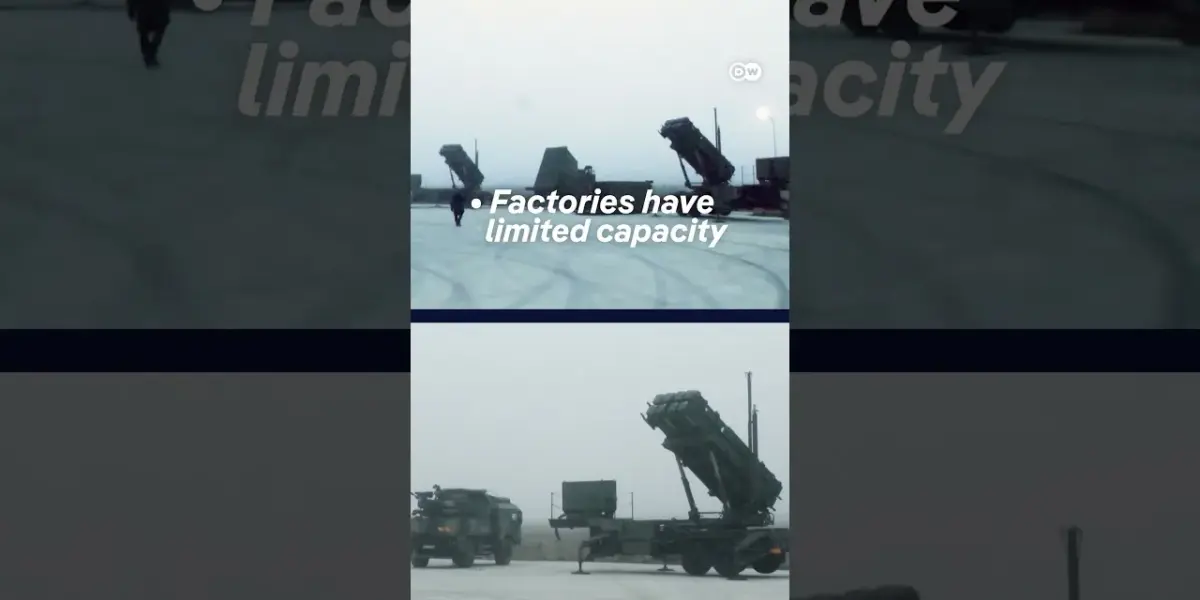
Even if cost were not an issue, significant challenges remain. High-tech interceptors, such as those used in the Patriot missile system, are limited in supply and difficult to manufacture quickly. Even the United States, with the world’s largest military budget, faces constraints in its ability to quickly replenish these systems.
Factories have limited production capacity, and supply chains are currently struggling with numerous bottlenecks. This means that interceptor missiles can be used up much faster than they can be replaced. Production cannot keep pace with rapid depletion, and new stock cannot be manufactured overnight or even within a year.
Global Allies Watch Mideast Conflict Closely
Other nations are closely observing these developments. Before the current conflict, countries like Ukraine, Taiwan, and various European nations were already seeking Patriot missile systems. The United States has been working to expand its own stockpiles. Now, a new set of Gulf state countries are also in line, further straining available resources.
This situation has captured the attention of global powers like Russia and China. For China, seeing the United States drawn into another Middle East conflict could provide a strategic advantage. It might create more breathing room for China in the Indo-Pacific region.
European Nations Face Drone Threat Preparedness Gap
European countries, as NATO allies, have reason to be concerned about the proliferation of cheap, low-cost drones. Russia has its own drone manufacturing capabilities and has been using them extensively against Ukraine. Many European nations are not adequately prepared to counter this specific type of threat.
The reliance on expensive, limited interceptors against swarms of affordable drones presents a complex tactical and economic challenge. The current conflict highlights a vulnerability that could be exploited by adversaries seeking to overwhelm sophisticated, yet costly, air defense networks.
Looking Ahead: Stockpile Expansion and Future Threats
The United States and its allies are actively seeking ways to increase air defense stockpiles and explore new defense technologies. The ongoing conflict serves as a critical test case, revealing the economic and logistical challenges of modern aerial warfare. Future defense strategies will likely need to address the cost-effectiveness of countering drone threats.
Nations will be watching how quickly production can scale and if alternative, more cost-efficient defensive measures can be developed. The ability to adapt to these evolving threats will be crucial for maintaining security in a changing geopolitical climate.
Source: The economics of defending the skies | DW News (YouTube)

Related Articles

Israel Pushes into Lebanon Amid Fierce Hezbollah Fighting
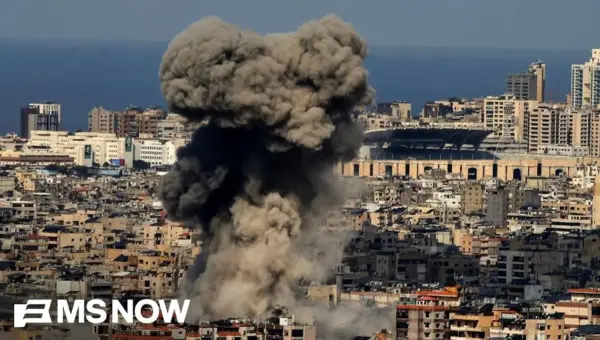
Israeli forces are pushing into new territories in southern Lebanon, facing intense fighting from Hezbollah. The conflict has displaced over a million people in Lebanon, with many children out of school and struggling to find shelter. Meanwhile, the UN Human Rights Office has raised concerns that some Israeli airstrikes may constitute war crimes.


Beirut Airport Stays Open Amid Nearby Strikes
Beirut's international airport remains open and operational despite nearby Israeli airstrikes targeting the city's southern suburbs. Passengers arriving at the airport reported hearing and seeing the effects of attacks close to the grounds, though many expressed they are "used to it." The airport's continued function highlights its critical role as Lebanon's main gateway.


US Loses Global Grip as Trump Allies Defy Peace Calls
The U.S. faces a critical juncture as it appears to lose control on the global stage, marked by prolonged international conflicts and domestic economic challenges. Allies seem to defy peace calls, while political figures clash with the Pope over the morality of war.